
Have $50 and a curious mind? The crypto space in 2025 is now more accessible, offering opportunities for crypto experiments to curious beginners eager to explore blockchain technology without the need for deep pockets or technical skills.
Here we’ll discuss 7 crypto experiments you can try this weekend (with $50 or less) to gain hands-on experience, grasp key concepts, and participate in the growing Web3 economy.
Why You Should Try Crypto Experiments in 2025
Crypto learning in 2025 is more accessible than ever. Anyone, regardless of technical background, can gain firsthand experience with the decentralized ecosystem when you try crypto experiments with $50 or less. This shift is being driven by the democratization of blockchain technologies.
Wallets such as MetaMask, Rainbow, and Trust Wallet, as well as beginner-friendly platforms like Coinbase and Base, now provide intuitive user experiences for crypto newcomers.
Hands-on blockchain activities enable users to move beyond theory and gain a better understanding of Web3 mechanics.
Whether you’re swapping tokens, interacting with DeFi apps, or minting your first NFT, practical experience clarifies concepts like gas fees, smart contracts, and seed phrases.
Importantly, these low-stakes experiments allow for risk-managed exposure to powerful innovations like decentralized finance, real-world asset tokenization, and crypto gaming.
Rather than investing heavily, users can experiment with small amounts, gaining experience while protecting their capital.
Beginner crypto projects in 2025 are intended to be both educational and rewarding. Experimenting with airdrop eligibility and community challenges can lead to deeper participation and potential future gains.
Why should you try crypto experiments in 2025? Because the learning curve is shorter, the tools are superior, and the barrier to entry is lower. There is no better time or more cost-effective way to understand the future of finance and technology.
What You’ll Need Before Starting Crypto Experiments
Before diving into any crypto experiments, it’s critical to have a few basic tools and concepts in place. Fortunately, getting started does not require much just some basic preparation and a small budget.
1. A Crypto Wallet
To interact with decentralized applications, you need a non-custodial crypto wallet. Popular wallets include MetaMask, Trust Wallet, and Coinbase Wallet. These wallets allow you to securely store and manage digital assets, connect to dApps, and authorize transactions.
Tip: To set up a crypto wallet, download the app, securely write down your seed phrase, and fund it with a small amount of crypto from an exchange.
The first thing you need to do when exploring crypto experiments is to setup a crypto wallet.
2. Access to a Centralized Exchange
When trying crypto experiments, if you don’t already have crypto, use a centralized exchange like Coinbase, Binance, or Kraken to buy your first tokens.
These platforms allow you to convert fiat into crypto and transfer it to your wallet. Stick with common assets like ETH, MATIC, or USDC, which are widely supported by blockchain apps.
3. Some Stablecoins or Native Tokens
Most beginner tools for crypto experiments require a small amount of native tokens to cover gas fees. For example:
- ETH for Ethereum
- MATIC for Polygon
- SOL for Solana.
Furthermore, holding stablecoins such as USDC or DAI is beneficial for lending, swapping, or testing DeFi platforms with low volatility.
4. Basic Understanding of Gas Fees
When transacting on blockchains, you will need to pay gas fees, which are small amounts of crypto used to process and validate transactions. These fees vary by network, so Layer 2 solutions such as Optimism or Polygon can help keep costs down.
In short, having a wallet, an exchange account, some basic tokens, and an understanding of how transactions work will set you up for a successful start.
With these basic requirements, you’re ready to explore the 7 crypto experiments you can try this weekend (with $50 or less), all without having to be an expert.
7 Crypto Experiments You Can Try This Weekend (With $50 or Less)
Whether you’re a curious beginner or a practical learner, these budget-friendly crypto activities let you explore blockchain tech without high risk. Each crypto experiments offer a unique way to engage with decentralized systems, from DeFi to NFTs.
1. Swap Tokens on a Decentralized Exchange (DEX)
- Estimated Budget: $5–$10 + gas fees
- Time to Complete: 15–30 minutes
- Value: Learn how DEXs work, experience token swapping firsthand
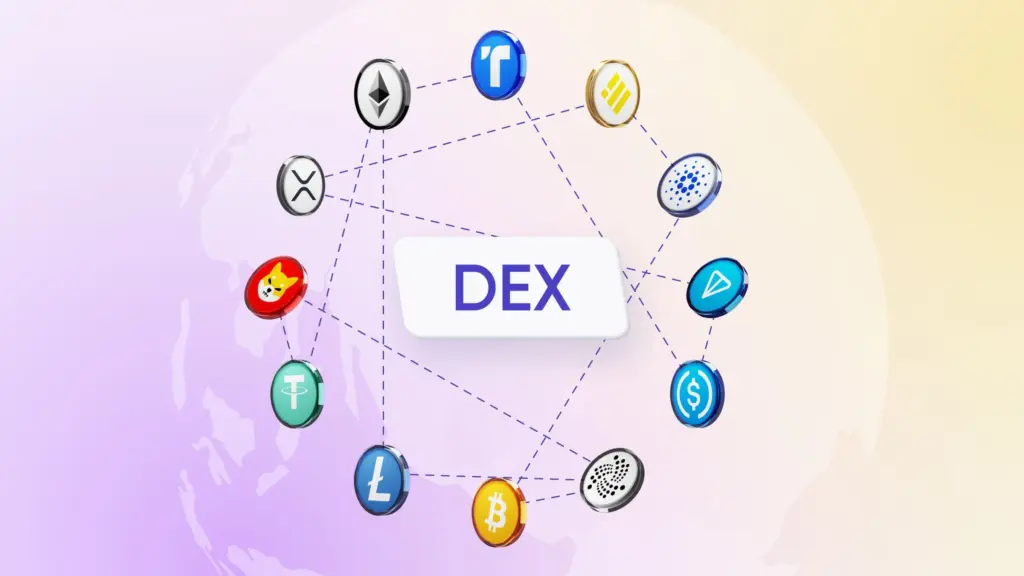
Start with popular decentralized exchanges like Uniswap (Ethereum), PancakeSwap (BNB Chain), or Orca (Solana). These platforms let you use a DEX to trade tokens directly from your wallet, no account needed.
You’ll experience how liquidity pools facilitate trades, and how slippage can affect transaction outcomes. This experiment is a foundational step in understanding DeFi mechanics.
- Pro tip: Try swapping stablecoins like USDC to DAI on a low-fee chain like Arbitrum or Polygon to keep costs down.
2. Mint Your First NFT on a Low-Cost Chain
- Estimated Budget: $5–$20
- Time to Complete: 30–60 minutes
- Value: Learn about NFT metadata, minting tools, and resale royalties
Try platforms like MintGarden (Kadena), Objkt (Tezos), or Mintbase (NEAR). These ecosystems allow you to mint an NFT for cheap, often under $10. Simply upload a digital image or file, add metadata, and publish it to the blockchain.
You’ll get to understand how royalties, ownership, and NFT marketplaces function, all from a beginner-friendly UI.
Great for creatives looking to tokenize art without Ethereum’s high gas fees.
3. Try Staking or Delegating on a Proof-of-Stake Network
- Estimated Budget: $10–$30
- Time to Complete: 1 hour setup, ongoing rewards
- Value: Earn passive income and learn validator dynamics
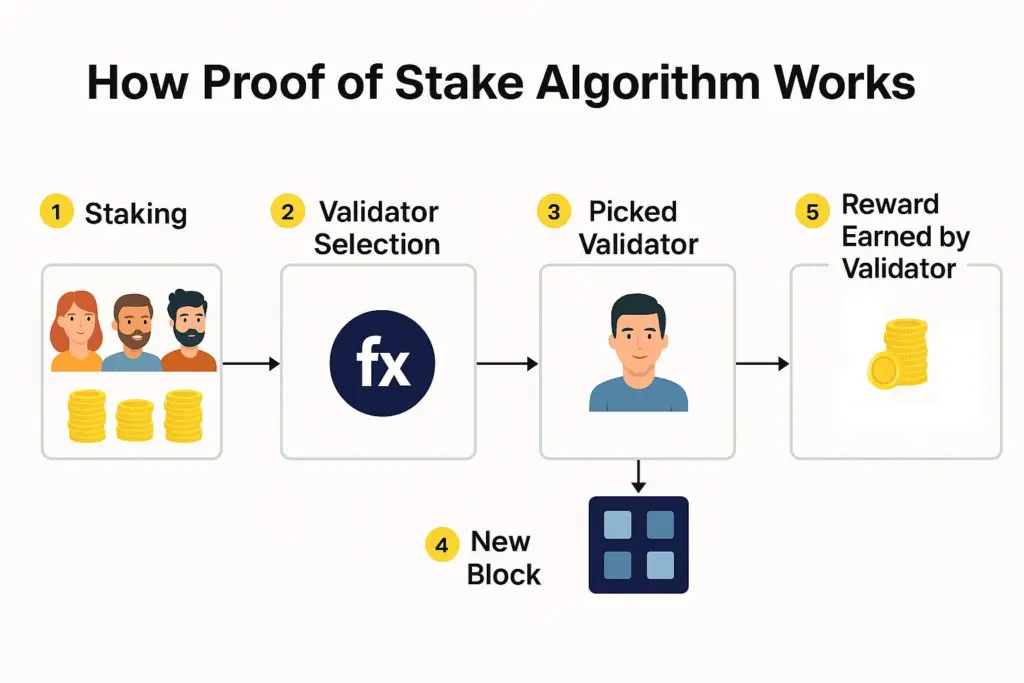
Use platforms like Keplr (for Cosmos), Phantom (for Solana), or MetaMask (for Polygon) to stake your tokens. Staking MATIC, ATOM, or SOL lets you earn rewards while contributing to network security.
You’ll discover how validator selection works and how staking differs from lending or farming. It’s one of the easiest ways to explore crypto passive income starters with low risk.
4. Join a DAO and Vote on a Proposal
- Estimated Budget: Free–$10 worth of tokens
- Time to Complete: 30 minutes to explore, variable for voting
- Value: Experience crypto governance and collective decision-making
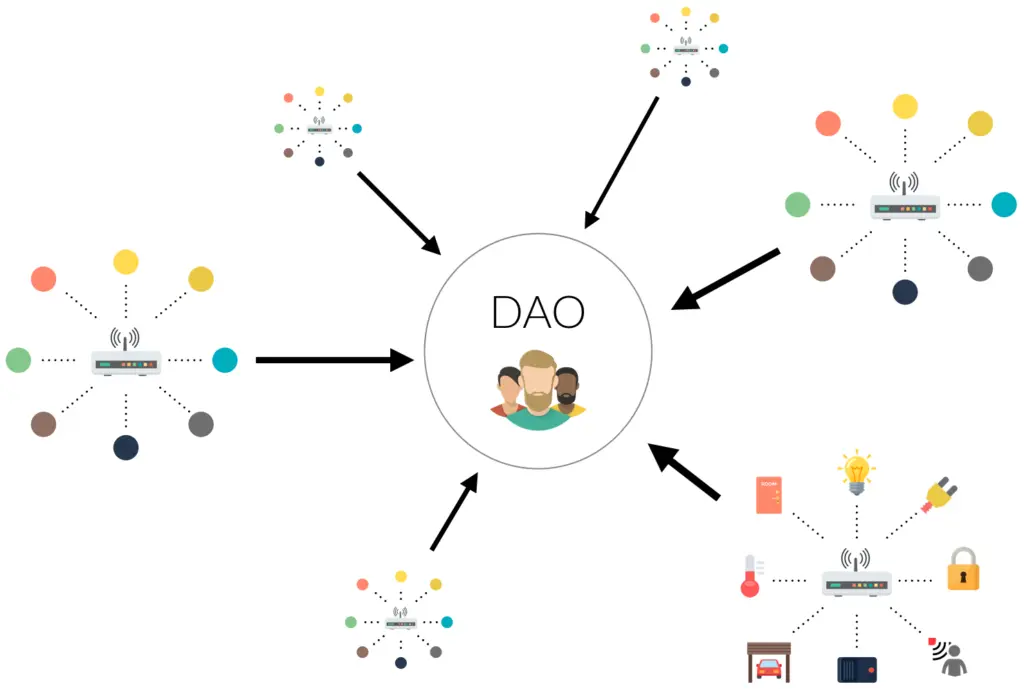
Explore decentralized autonomous organizations (DAOs) like Gitcoin, BanklessDAO, or Friends With Benefits. Holding a DAO’s native token gives you voting rights over treasury decisions, project proposals, or community policies.
This is a practical way to understand on-chain governance, collective intelligence, and how DAOs function like decentralized companies.
5. Use a Crypto Savings App or DeFi Lending Protocol
- Estimated Budget: $10–$20
- Time to Complete: 20–40 minutes
- Value: Earn yield with minimal exposure
Try beginner-friendly protocols like Aave, Kima, or Compound to lend your stablecoins. These platforms allow you to earn interest on USDC, DAI, or other assets without needing to actively trade.
You’ll gain insight into DeFi lending for beginners, smart contract interactions, and yield strategies.
Stick to low-volatility assets and test on Layer 2s to reduce gas costs.
6. Send a Cross-Border Payment Using Stablecoins
- Estimated Budget: $5–$15
- Time to Complete: 10–20 minutes
- Value: Learn real-world crypto use cases like remittances
Use USDC or USDT on fast, low-fee chains like Solana, Base, or Arbitrum to send funds to a friend in another country. You’ll explore the power of crypto as a cheap international transfer tool, instant, transparent, and borderless.
You’ll also better understand wallet interoperability, address formats, and how blockchain beats traditional money transfer systems on speed and cost.
7. Play a Web3 Game or Explore a Metaverse
- Estimated Budget: Free–$15
- Time to Complete: 1–2 hours
- Value: Experience blockchain entertainment and NFT utility
Platforms like Pixels (Ronin), Sorare, or Decentraland let you engage play-to-earn experiences. These games often use NFTs for characters, in-game assets, or rewards.
This is not just for gamers, it’s an accessible gateway into how digital ownership and blockchain gaming economies work.
One of the best crypto experiments you can try this weekend (with $50 or less) is testing out a play-to-earn Web3 game you might even win something.
Safety First: How to Protect Your Funds
Before starting any of the crypto experiments you can try this weekend, make sure to protect your digital assets. The crypto space is full of opportunities, but it also carries risks, particularly for beginners. Here’s how to be safe while exploring with $50 or less.
1. Avoid Phishing and Fake Sites
One of the most common Web3 threats is phishing, which involves fraudulent websites that appear to be legitimate but steal your credentials or funds.
- Always double-check URLs before connecting your wallet.
- Use browser extensions such as PhishFort or Wallet Guard to detect suspicious links.
- To avoid fake search results, bookmark trusted platforms.
If you receive a random DM on Discord or X (Twitter) asking you to “claim a prize” or connect your wallet, it is a scam.
2. Use Reputable Platforms Only
Stick to well-known apps and exchanges that have transparent histories. When swapping tokens on a DEX, staking, or minting NFTs, avoid using unknown protocols.
- Use CoinGecko or DeFiLlama to confirm a platform’s legitimacy.
- Choose protocols with audited smart contracts or open-source code.
- Look for platforms with active communities and verified social media accounts.
Reputable tools reduce the likelihood of smart contract bugs or rug pulls.
3. Enable Two Factor Authentication (2FA)
Always use two-factor authentication to secure your accounts, especially those on centralized exchanges or wallet apps.
- For better protection, use Google Authenticator or Authy instead of SMS.
- Never share your two-factor authentication codes or recovery phrases.
- For extra safety, consider using hardware wallets (Ledger, Trezor) for browser wallets like MetaMask.
Activating 2FA can keep your funds safe even if someone guesses your password.
4. Backup Your Wallet and Store Recovery Phrases Offline
Every crypto wallet comes with a recovery seed phrase (usually 12 or 24 words). This is your wallet’s master key, and if it is lost or stolen, all of your funds are gone.
- Write your seed phrase on paper or metal, rather than in cloud storage or screenshot apps.
- Never enter your seed phrase on any site unless you’re restoring a wallet, and only on the official app.
- Use multiple backups stored in separate, secure locations.
Think of it as your crypto lifeline. If you lose it, you’ll lose access to everything.
By following these crypto safety tips, you’ll be ready to try crypto experiments and explore the decentralized world without losing sleep or funds.
Conclusion
In 2025, the best way to understand crypto is through experience rather than theory. The ecosystem has matured to the point where beginners can safely try crypto experiments without risking large sums of money or technical confusion.
By keeping your crypto experiments to $50 or less, you maintain a low-risk, high-learning environment. Each interaction, whether staking tokens, joining a DAO, or minting an NFT, gives firsthand knowledge of decentralized systems, smart contracts, and crypto-native communities.
The most valuable crypto lessons are often learned through action rather than observation. So, keep it small, strategic, and fun. This is the mindset that will propel you from curious beginner to confident user.