

The Zhan Ketuan Case best illustrates the corporate and legal disputes influencing the crypto sector in recent times
Co-founder of Bitmain, one of the biggest producers of cryptocurrency mining hardware worldwide, Zhan Ketuan also goes as Micree Zhan. Bitmain became a major player in Bitcoin mining mostly thanks to his leadership. But his dramatic departure from the business and later legal disputes mirror the power conflicts and legal ambiguities in the cryptocurrency market.
The Zhan Ketuan Case is examined in this paper through a prism to help one grasp the changing regulatory scene of cryptocurrencies.
- 1 Background on Zhan Ketuan and Bitmain
- 2 The Zhan Ketuan Case: A Deep Dive
- 3 Regulatory Challenges in the Crypto Industry
- 4 Implications of the Zhan Ketuan Case for the Industry
- 5 The Path Forward: Navigating Regulatory Challenges
- 6 Conclusion
Background on Zhan Ketuan and Bitmain
The Rise of Bitmain
Deeply entwined with the narrative of Bitmain, a business transforming the worldwide bitcoin mining sector, is the Zhan Ketuan Case.
Established in 2013 by Zhan Ketuan and Wu Jihan, Bitmain rapidly became well-known by transforming Bitcoin mining with their innovative ASIC (Application-Specific Integrated Circuit) chips.
Under Zhan’s direction, the business grew its range of products, becoming among the top suppliers of mining hardware worldwide and a major actor in the cryptocurrency ecosystem.
Bitmain’s Market Influence
One cannot stress Bitmain’s impact on the bitcoin scene. Supplying industry-leading devices like the Antminer series, the business dominated about 75% of the worldwide mining hardware market by 2018.
Bitmain’s strategic advantage from this supremacy allowed it to affect hash rate distribution of Bitcoin and change mining patterns.
The Zhan Ketuan Case, however, emphasizes how even the most strong crypto companies may be disrupted by both internal strife and outside legal demands.
Tensions among Bitmain’s leadership escalated along with its expansion, leading to a spectacular power struggle defining the Zhan Ketuan case and establishing a standard for governance conflicts in the crypto space.
The Zhan Ketuan Case: A Deep Dive
A Battle for Control and Regulatory Scrutiny
As a co-founder of Bitmain, Zhan Ketuan played a pivotal role in the company’s rise to dominance in the crypto mining hardware industry.
However, in 2019, he was unexpectedly ousted from his own company in a boardroom coup, only to stage a remarkable comeback.
This internal battle exposed deep governance flaws within Bitmain and highlighted the broader regulatory challenges facing crypto entrepreneurs worldwide.
Beyond the corporate power struggle, The Zhan Ketuan Case also drew significant regulatory scrutiny. U.S. authorities targeted Zhan’s ventures, including impounding shipments of Bitcoin mining rigs and imposing sanctions on his AI companies.
These actions underscored the geopolitical tensions surrounding China’s dominance in the crypto industry and the increasing regulatory pressure on key players like Zhan.
This section explores The Zhan Ketuan Case in depth, analyzing the internal conflict within Bitmain and the wider regulatory implications that followed.
The Ousting and Return of Zhan Ketuan
Bitmain was founded in 2013 by Zhan Ketuan and Wu Jihan, two visionaries who recognized the potential of Bitcoin mining.

Zhan, a semiconductor expert, spearheaded the development of Bitmain’s ASIC (Application-Specific Integrated Circuit) chips, which gave the company a significant edge over competitors.
Under his leadership, Bitmain quickly became the largest supplier of mining hardware, controlling nearly 75% of the global market by 2018.
Despite Bitmain’s success, tensions simmered beneath the surface. Zhan and Wu had different visions for the company.
While Zhan prioritized research, innovation, and AI expansion, Wu was more focused on Bitcoin and maintaining Bitmain’s dominance in the mining sector. These differences eventually led to a dramatic confrontation.
The 2019 Coup: Zhan’s Sudden Dismissal
In October 2019, Zhan Ketuan was abruptly removed as Bitmain’s CEO. Wu Jihan, who had previously stepped down, returned and seized control, citing the need for a change in leadership.
Zhan was blindsided by the decision. His access to company offices and internal communications was immediately revoked, and an internal memo declared that he was no longer authorized to represent Bitmain.
The Zhan Ketuan Case took a dramatic turn as Zhan fought back, launching legal battles to reclaim his position.
He accused Wu of unlawfully stripping him of his authority and jeopardizing the company’s future.
This internal war not only destabilized Bitmain but also raised concerns about corporate governance within crypto enterprises, where power struggles often take precedence over long-term strategic planning.
Zhan’s Comeback and the Settlement
Zhan refused to go down without a fight. By 2020, he had secured the backing of key shareholders and filed multiple lawsuits to regain control of Bitmain.
In a surprising turn of events, Zhan successfully negotiated a settlement that allowed him to return as chairman.
The deal required him to buy out Wu Jihan’s shares for $600 million, cementing his authority but also putting significant financial strain on Bitmain.
The Zhan Ketuan Case became a textbook example of the volatility within crypto companies.
Unlike traditional corporate governance structures, where boardroom disputes are typically resolved through structured processes, Bitmain’s leadership battle played out in a high-stakes, almost theatrical manner, revealing the fragility of power in crypto enterprises.
Regulatory Scrutiny: U.S. Crackdown on Zhan’s Ventures
The Zhan Ketuan Case extended beyond internal corporate drama, as Zhan soon found himself under the watchful eye of U.S. regulators.
In 2021, shipments of Bitmain’s Bitcoin mining rigs were impounded by U.S. Customs and Border Protection (CBP).
Authorities cited violations of trade restrictions, particularly those related to China’s technological exports.
The seizure of mining equipment was part of a broader crackdown on Chinese influence in the global crypto market.
The U.S. government had already expressed concerns about China’s dominance in Bitcoin mining, and targeting Bitmain signaled a shift toward stricter oversight.
For Zhan, this was a significant blow, as Bitmain relied heavily on international sales, particularly in North America.
Sanctions on Zhan’s AI Companies
The regulatory scrutiny didn’t stop with Bitmain. Zhan had long envisioned expanding into artificial intelligence, seeing it as the next frontier for Bitmain’s ASIC technology.
He founded several AI-focused subsidiaries, aiming to develop high-performance chips for machine learning and data processing.
However, U.S. authorities soon imposed sanctions on these ventures, citing national security concerns.
The sanctions were largely driven by geopolitical tensions between the U.S. and China. Washington had already blacklisted several Chinese tech firms over allegations of espionage and human rights violations.
Zhan’s AI companies, despite their focus on commercial applications, were caught in the crossfire.
The Zhan Ketuan Case demonstrated how regulatory actions in the crypto space are not just about financial compliance but are also shaped by global politics.
As governments grapple with the implications of blockchain technology, key players like Zhan find themselves navigating an increasingly hostile regulatory environment.
Regulatory Challenges in the Crypto Industry
Governments and financial watchdogs across the globe are implementing new rules to govern digital assets, but the lack of uniformity in these regulations poses significant challenges for crypto companies.
The Zhan Ketuan Case is a prime example of how regulatory uncertainty can impact industry leaders.
While Bitmain faced restrictions in the U.S. due to geopolitical concerns, other crypto companies struggle with compliance challenges ranging from anti-money laundering (AML) requirements to unclear taxation policies.

This section explores three key regulatory hurdles affecting the industry: global regulatory inconsistencies, AML and Know Your Customer (KYC) compliance, and taxation complexities.
Global Regulatory Inconsistencies
One of the biggest hurdles facing crypto businesses is the lack of uniform regulatory standards across jurisdictions. While some countries embrace cryptocurrency innovation, others impose strict controls or outright bans. This patchwork approach creates compliance challenges for crypto companies operating internationally.
Divergent Approaches to Crypto Regulation includes;
- United States: The U.S. has taken a fragmented regulatory approach, with multiple agencies—such as the Securities and Exchange Commission (SEC) and the Commodity Futures Trading Commission (CFTC)—asserting authority over different aspects of crypto.
This has led to lawsuits against major exchanges and uncertainty about whether cryptocurrencies should be classified as securities or commodities.
- European Union: The EU has attempted to establish clearer guidelines with the Markets in Crypto-Assets (MiCA) Regulation, which aims to create a unified legal framework for crypto businesses operating in Europe. However, full implementation is still in progress.
- China: China has imposed an outright ban on cryptocurrency trading and mining, pushing many companies to relocate their operations to more crypto-friendly jurisdictions such as Singapore and Dubai.
- El Salvador: In contrast, El Salvador became the first country to adopt Bitcoin as legal tender, taking a pro-crypto stance that differs vastly from the restrictive policies seen in other nations.
These regulatory inconsistencies force crypto businesses to navigate a complex web of legal requirements, often leading to operational inefficiencies, compliance risks, and relocation challenges.
Compliance with AML and KYC Regulations
Governments and financial regulators enforce Anti-Money Laundering (AML) and Know Your Customer (KYC) regulations to prevent illicit financial activities, such as money laundering and terrorism financing.
However, implementing these requirements in the crypto industry is particularly challenging due to the decentralized and pseudonymous nature of cryptocurrencies.
Key Challenges in AML/KYC Compliance includes;
Anonymity vs. Transparency
Cryptocurrencies, particularly privacy-focused coins like Monero and Zcash, offer users a high degree of anonymity, making it difficult for regulators to track transactions.
Centralized exchanges are required to implement KYC procedures, but decentralized exchanges (DEXs) often lack such controls, raising concerns among regulators.
Cross-Border Transactions
Unlike traditional financial institutions, crypto businesses operate across multiple jurisdictions without clear borders. This makes it challenging to enforce AML/KYC regulations consistently across different regions.
Some crypto firms adopt Geolocation Blocking to prevent users from restricted countries from accessing their services, but this method is not foolproof.
Regulatory Crackdowns and Fines
Several high-profile crypto companies have faced legal action for failing to comply with AML/KYC regulations.
Example: In 2023, Binance agreed to pay a $4.3 billion settlement to U.S. authorities over violations related to anti-money laundering and sanctions compliance.
Crypto businesses must balance privacy concerns, regulatory requirements, and operational feasibility to remain compliant without alienating their user base.
Taxation and Reporting Requirements
Cryptocurrency taxation remains one of the most complex and inconsistent areas of regulation, as tax authorities struggle to define clear policies for digital assets.
The lack of standardized reporting requirements further complicates compliance efforts for individuals and businesses involved in crypto trading, mining, and investments.
Challenges in Crypto Tax Compliance includes;
Unclear Tax Classifications
Different jurisdictions classify cryptocurrencies in different ways:
- The U.S. IRS considers crypto as property, making it subject to capital gains tax.
- The U.K. HMRC taxes crypto depending on its use (trading, investing, or payments).
- Germany provides tax exemptions for long-term crypto holdings, making it a more favorable jurisdiction for investors.
Tracking and Reporting Transactions
- Unlike traditional financial assets, crypto transactions occur on decentralized networks, making it difficult for tax authorities to track holdings and enforce compliance.
- Taxpayers must manually report capital gains, losses, and staking rewards, but many fail to do so due to the complexity of record-keeping.
Lack of Global Reporting Standards
- In traditional finance, the Common Reporting Standard (CRS) and FATCA require financial institutions to share customer data with tax authorities.
- The crypto industry lacks a unified reporting framework, leading to inconsistent tax enforcement across jurisdictions.

Implications of the Zhan Ketuan Case for the Industry
The Zhan Ketuan Case is a pivotal example of how internal corporate conflicts, regulatory scrutiny, and geopolitical tensions can impact the cryptocurrency industry.
Bitmain, once the undisputed leader in crypto mining hardware, faced a leadership crisis that disrupted operations, followed by legal and regulatory challenges that underscored the industry’s evolving compliance landscape.
This case offers crucial insights for crypto enterprises regarding corporate governance, regulatory compliance, and geopolitical risk management.
Understanding these factors can help businesses strengthen their foundations and navigate an increasingly complex regulatory environment.
Corporate Governance Lessons
One of the biggest takeaways from The Zhan Ketuan Case is the importance of robust corporate governance.
Unlike traditional financial institutions, many crypto firms operate with founder-centric leadership, often lacking clear corporate structures. This can lead to internal conflicts, power struggles, and instability, as seen in Bitmain’s leadership battle.
Zhan Ketuan’s removal in 2019 and later reinstatement exposed governance gaps within the company, which resulted in operational disruptions and loss of investor confidence.
The absence of well-defined decision-making structures left Bitmain vulnerable to leadership disputes, a problem many crypto startups face.
To avoid similar pitfalls, crypto firms must establish transparent leadership frameworks, implement board oversight, and ensure investor confidence through independent audits and clear financial reporting.
The industry’s rapid evolution demands governance models that can sustain long-term stability while maintaining agility.
Learning from Bitmain’s experience, crypto companies should prioritize these governance structures to prevent internal conflicts from jeopardizing their businesses.
Regulatory Compliance Imperatives
Regulatory scrutiny of the crypto industry is intensifying, and The Zhan Ketuan Case demonstrates why proactive engagement with regulators is critical.
Bitmain’s legal challenges, including the impoundment of mining rigs and increased scrutiny from U.S. authorities, underline the risks of non-compliance.
Governments worldwide are tightening crypto regulations, increasing enforcement actions against non-compliant firms.
Implementing Anti-Money Laundering (AML), Know Your Customer (KYC), and tax compliance measures from the outset can help businesses avoid costly legal battles.
Rather than waiting for enforcement actions, crypto enterprises should actively engage with regulators to influence policy decisions and create fair regulatory frameworks.
Establishing compliance programs that integrate with business operations ensures long-term sustainability.
The lesson from Bitmain’s challenges is clear—crypto firms must adopt compliance measures similar to those in traditional finance to avoid regulatory setbacks.
Geopolitical Considerations in Crypto Regulation
Geopolitical tensions play a crucial role in crypto regulation, and The Zhan Ketuan Case illustrates how government policies and international relations can impact businesses.
Bitmain’s struggles with U.S. authorities were partly due to broader trade tensions between China and the United States, making it evident that crypto firms operating across multiple jurisdictions must account for sanctions, trade restrictions, and shifting policies.
Additionally, sanctions on Zhan Ketuan’s AI companies highlight growing concerns about China’s influence in emerging technologies.
Crypto companies need to diversify their supply chains and operational bases to mitigate geopolitical risks.
Some firms relocate to crypto-friendly jurisdictions to escape restrictive regulations, but this strategy only provides temporary relief.
Long-term success requires continuous adaptation to global regulatory changes and geopolitical shifts.
While The Zhan Ketuan Case exposes the challenges facing crypto businesses, it also provides a roadmap for navigating regulatory complexities.
Companies that proactively advocate for clear regulations, adopt best practices, and monitor regulatory developments will be better positioned for long-term success.
Advocacy for Clear Regulations
The lack of regulatory clarity remains one of the biggest obstacles in the crypto industry. Industry stakeholders must engage with lawmakers to push for fair, transparent, and innovation-friendly regulations.
Forming alliances with blockchain associations can create a unified voice when negotiating with policymakers.
Additionally, educating regulators on blockchain technology can bridge the gap between lawmakers and the industry, leading to better-informed policies.
Governments in Singapore, the UK, and the UAE have already adopted regulatory sandboxes, allowing crypto firms to test products under controlled conditions.
More companies should advocate for similar initiatives to ensure a balance between innovation and regulation.
Adoption of Best Practices in Compliance and Governance
Regulatory uncertainty doesn’t mean companies should wait for enforcement actions. Instead, adopting best practices in compliance, transparency, and governance can enhance credibility and reduce legal risks.
Implementing AML/KYC protocols, conducting regular audits, and ensuring tax compliance can prevent regulatory crackdowns.
Publicly disclosing financial health, security measures, and leadership decisions fosters trust among investors and regulators.
The Zhan Ketuan Case is a reminder that strong corporate governance is essential; companies must establish clear leadership frameworks to prevent internal conflicts that can lead to operational disruptions.
Continuous Monitoring of Regulatory Developments
Regulatory landscapes are constantly shifting, and businesses that fail to adapt risk falling behind. Conducting frequent compliance audits ensures that crypto firms remain aligned with new laws.
Partnering with compliance specialists and leveraging regulatory technology (RegTech) can help automate reporting and detect potential risks before they escalate.
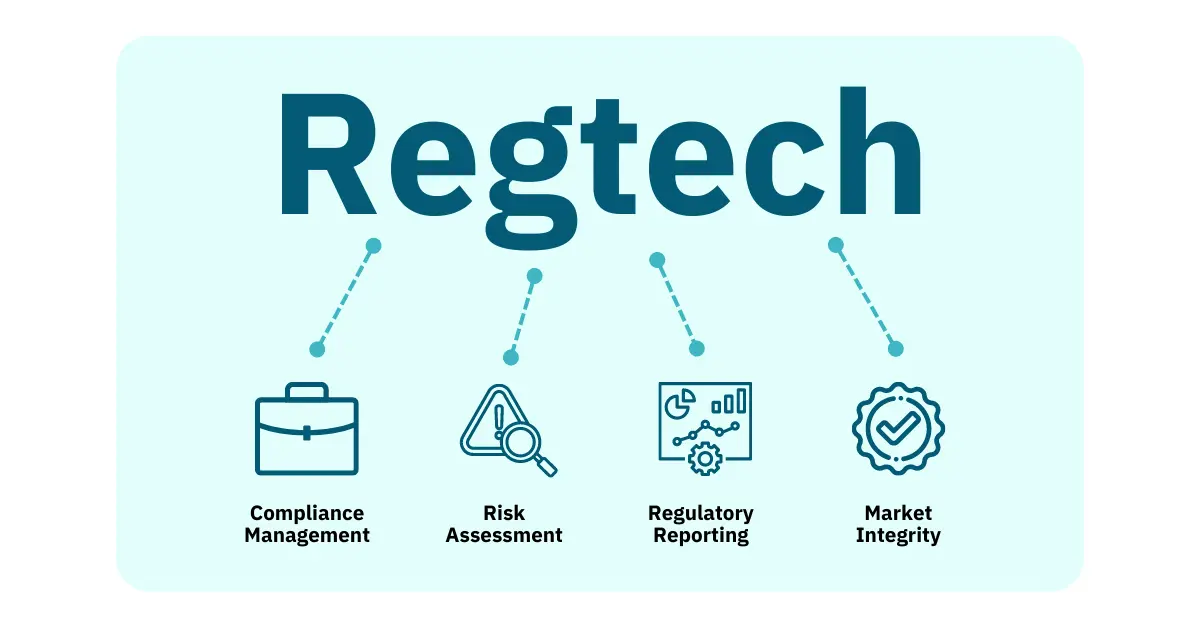
Companies that remain proactive rather than reactive in their compliance efforts will be better positioned to thrive in an increasingly regulated market.
Conclusion
From internal business governance issues to growing regulatory scrutiny and geopolitical pressures, the Zhan Ketuan case emphasizes the complex difficulties confronting the bitcoin sector.
Emphasizing the need of strong governance, proactive compliance, and strategic risk management, Bitmain’s leadership crisis, regulatory issues, and trade limitations act as sobering stories for crypto businesses.
Companies have to embrace openness and regulatory involvement as global authorities tighten their hold on the crypto sector to help to create a more reliable and stable market.
The changing interaction between crypto companies and authorities demands cooperation instead of opposition.
The sector can guarantee its long-term development while preserving the fundamental ideas of decentralization and innovation by supporting clear and fair rules, implementing best practices, and keeping ahead of compliance criteria.
How well companies negotiate this regulatory complexity will determine the direction crypto goes from now. Learning from events like Zhan Ketuan’s, businesses have to find a mix between compliance and innovation to survive in a financial scene under more scrutiny.