
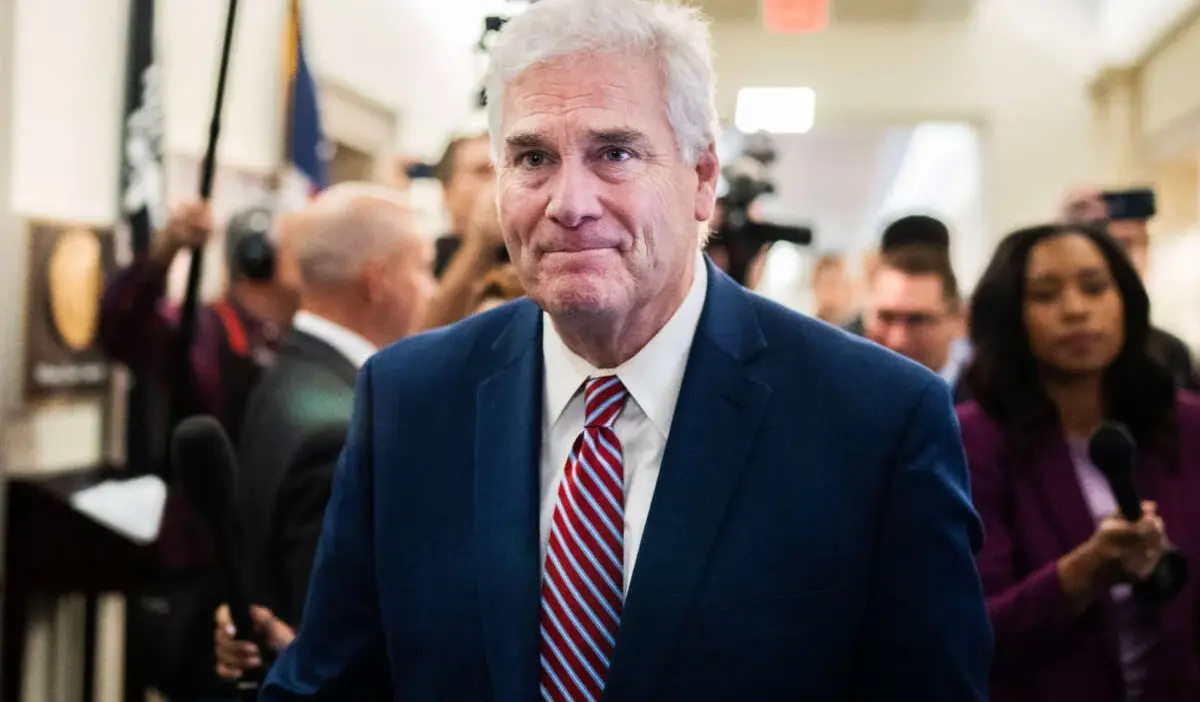
Tome Emmer has introduced the new BRCA Bill to exempt developers from money transmitter laws, advancing clearer, developer-friendly crypto regulation.
The effort to enhance the digital currency landscape has taken a fresh turn. Representatives Tom Emmer and Ritchie Torres have proposed a new blockchain and crypto regulation bill for developers. The Blockchain Regulatory Certainty Act (BRCA) marks the second attempt to introduce it in Congress, focusing on clarifying the definition of money transmitters, particularly for developers.
Major Highlight of The BRCA Blockchain Bill
The bill seeks to confirm that developers who do not hold user funds are not classified as money transmitters. It notably offers the legal clarity needed to establish the United States as a leading hub for developers.
“If you don’t custody consumer funds, you aren’t a money transmitter. It’s straightforward,” Congressman Emmer stated officially. “Delaying this obvious clarification increases the risk of driving this revolutionary technology overseas, to the detriment of American investors and innovators.”
Emmer explained that the U.S. could lose its developers without blockchain bills like the BRCA. Money transmitters typically face stricter regulations, which the lawmakers argue are unsuitable for open-source developers.
The Blockchain Bill has garnered significant backing from major industry advocacy groups like the Blockchain Association. While navigating partisan divides in Washington, D.C. is necessary, its passage would complement existing bills aimed at advancing crypto regulation in the U.S.
Crypto Regulation Through the Stablecoin Perspective
In addition to creating a supportive environment for developers to innovate, Congress is reviewing key bills to strengthen regulations. The prominent stablecoin bill, the GENIUS Act, recently passed its initial Cloture vote.
Although it still awaits final voting stages, many anticipate the bill will mark a historic milestone for the country. Other proposed legislation includes the Bitcoin Act Bill, introduced by Senator Cynthia Lummis.
This bill supports the creation of the national crypto reserve through an executive order signed by President Donald Trump. Additionally, the STABLE Act outlines requirements for stablecoin payments in the U.S.
While most federal blockchain bills targeting crypto regulations are still pending, the current trajectory suggests significant progress.
States Leading the Way
As previously reported, the Texas Senate passed the Bitcoin reserve bill. As the third state to do so, the SB-21 bill is now one step from becoming law.
Barring any issues, Governor Greg Abbott, known for his pro-crypto stance, will likely sign it.
Despite the positive momentum in crypto regulation across the United States, some states, like Florida, have opted not to invest public funds in BTC.