Discover the best Web3 browsers redefining internet freedom in 2025 – explore tools built for privacy, ownership, and seamless access to the decentralized web
- 1 Introduction
- 2 What Makes a Browser Truly “Web3”?
- 3 The Best Web3 Browsers in 2025: Reviewed
- 4 Must-Have Web3 Tools That Pair with These Browsers
- 5 Choosing the Best Web3 Browser for You
- 6 Conclusion
Introduction
The internet as we know it is undergoing a paradigm shift. Once dominated by centralized platforms like Google, Facebook, and Amazon, the digital world is now being reshaped by a new movement—Web3. This is a radical reimagination of how we access, control, and contribute to the web.
At its core, Web3 is built on blockchain and decentralized protocols. Its primary goal is to restore ownership, enhance privacy, and enable interoperability between apps and services without reliance on centralized gatekeepers.
Whether you’re browsing dApps, securing your crypto, or storing personal data, Web3 empowers users to become sovereign actors in their digital experience.
And that’s where the best Web3 browsers come in.
Unlike traditional browsers that prioritize data collection and ad revenue, Web3 browsers are designed with user autonomy in mind.
They integrate crypto wallets, support decentralized domains, and ensure secure, permissionless access to blockchain-based services.
From Brave to Opera Crypto, and even cutting-edge tools like Beaker and Puma, these browsers are becoming essential gateways to the decentralized internet.
This article explores the best Web3 browsers and essential tools that are redefining how we surf, secure, and store data in 2025’s decentralized web.
What Makes a Browser Truly “Web3”?
Not every browser that slaps on a crypto wallet deserves the Web3 title. To earn its place among the best Web3 browsers, a platform must go far beyond superficial features. True Web3 browsers are built from the ground up to support decentralized interaction, digital sovereignty, and blockchain-native tools.
Core Criteria That Define the Best Web3 Browsers
Native Blockchain Integration
A defining feature of top-tier Web3 browsers is seamless compatibility with major blockchain networks such as Ethereum, Polkadot, Solana, and more. This means users can connect to smart contracts, NFTs, and DeFi protocols directly from their browser without needing third-party extensions.
Built-In Crypto Wallet Support
Whether it’s MetaMask integration or a native wallet like Brave Wallet, the best Web3 browsers support effortless access to digital assets. This is crucial for secure transactions, signing messages, and interacting with decentralized applications (dApps).
Decentralized DNS Compatibility
Unlike traditional browsers that rely on centralized domain systems, Web3 browsers support decentralized naming protocols like ENS (Ethereum Name Service) and Handshake. This enables users to access .eth or .crypto domains without censorship or gatekeepers.
Privacy by Default
In a decentralized world, privacy isn’t optional—it’s expected. The best Web3 browsers come with ad and tracker blockers, cookie isolation, and sometimes even Tor routing. This ensures that users maintain control over their data and browsing footprint.
These foundational elements are non-negotiables for any platform aspiring to be labeled as one of the best Web3 browsers. But in 2025, the competition has gone further.
Bonus Features Powering the Future of Web3 Surfing
Cross-Device Sync with Encrypted Storage
Web3 users expect secure access across all devices. Browsers like Opera Crypto and Brave offer encrypted cloud sync that protects user data while ensuring convenience.
DAO and DeFi Dashboards
Web3 isn’t just about browsing—it’s about participating. Some advanced browsers now include built-in DAO governance tools, staking interfaces, and real-time DeFi dashboards to manage assets, vote on proposals, and monitor yield—all without leaving the browser tab.
The Best Web3 Browsers in 2025: Reviewed
With dozens of blockchain-friendly browsers on the market, only a handful truly rise to the top. In 2025, the best Web3 browsers includes;
Brave Browser

Brave has transformed from a privacy-first ad blocker into a full-fledged Web3 gateway. What sets it apart is its built-in Ethereum wallet, native IPFS support, and the ever-evolving Basic Attention Token (BAT) reward system.
The browser strikes a rare balance between Web2 familiarity and Web3 innovation, making it ideal for everyday users dipping into crypto.
In its latest 2025 release, Brave introduced Brave Leo AI, a native assistant trained for secure, decentralized navigation, and full support for Solana-based dApps. This positions it firmly among the best Web3 browsers available today.
It’s a no-brainer for users who want a single browser that blends performance, blockchain support, and rewards—without sacrificing UX.
Opera Crypto Browser

Opera Crypto Browser continues to shine in 2025 for its clean interface and feature-rich ecosystem.
With native support for Ethereum, Polygon, and BNB Chain wallets, plus an integrated VPN and dApp explorer, Opera offers a polished experience for users navigating the decentralized web for the first time.
What truly makes Opera a standout among the best Web3 browsers for beginners is its intuitive onboarding. Everything from wallet setup to accessing NFT marketplaces feels smooth, even for the non-technical crowd.
Recent updates introduced optimized wallet-to-dApp linking and real-time crypto news feeds—making it an all-in-one dashboard for Web3 activity.
If you’re new to the space or want a browser that simply works, Opera Crypto delivers without overwhelming.
Aloha Browser
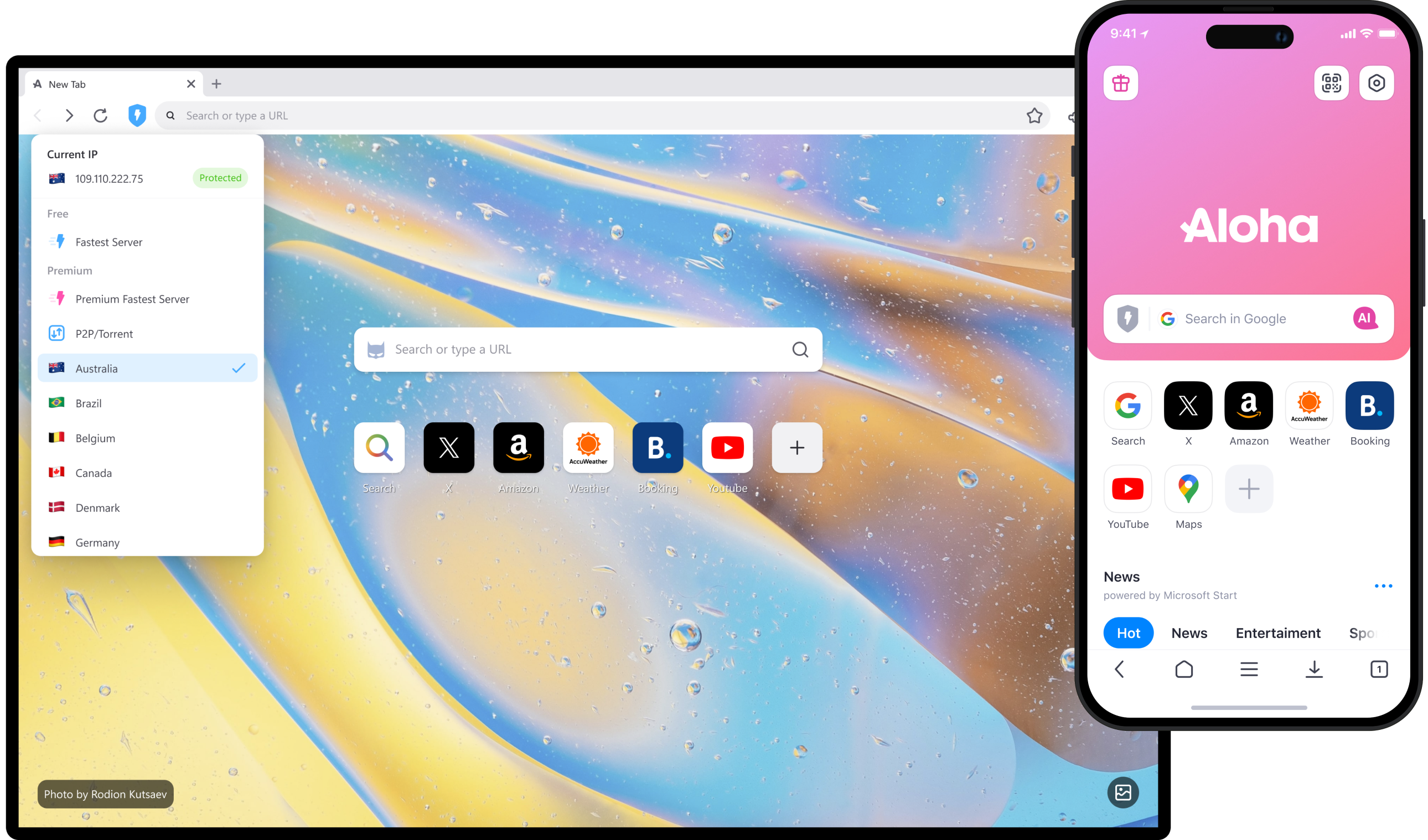
Designed with mobile-first privacy in mind, Aloha Browser is making a name for itself in the decentralized web ecosystem. Its sleek mobile interface now supports decentralized identities, as well as IPFS and WebTorrent for peer-to-peer browsing and content storage.
Aloha is lightweight, fast, and ideal for users who value anonymity without giving up access to Web3 tools.
While it doesn’t offer as many advanced DeFi integrations as others, its strict privacy posture and dWeb capabilities still earn it a spot among the best Web3 browsers—especially for mobile power users.
In 2025, Aloha’s developers introduced support for zk-login credentials, letting users verify identity on dApps without revealing sensitive data—a major win for privacy advocates.
Puma Browser

Puma brings a refreshing twist to the Web3 browser lineup by focusing on micropayments and creator-first monetization.
With Coil integration for web monetization and support for the Lightning Network, Puma allows users to stream payments directly to content creators.
In 2025, Puma refined its performance on Android and iOS, added NFT tipping tools, and built partnerships with decentralized social platforms.
It doesn’t come with flashy dashboards or built-in DeFi tools—but that’s by design. Puma keeps things light, fast, and functional, prioritizing mobile creators and users who want to support them without middlemen.
It stands out among the best Web3 browsers by enabling a fairer content economy rooted in direct value exchange.
Beaker Browser (Honorable Mention)
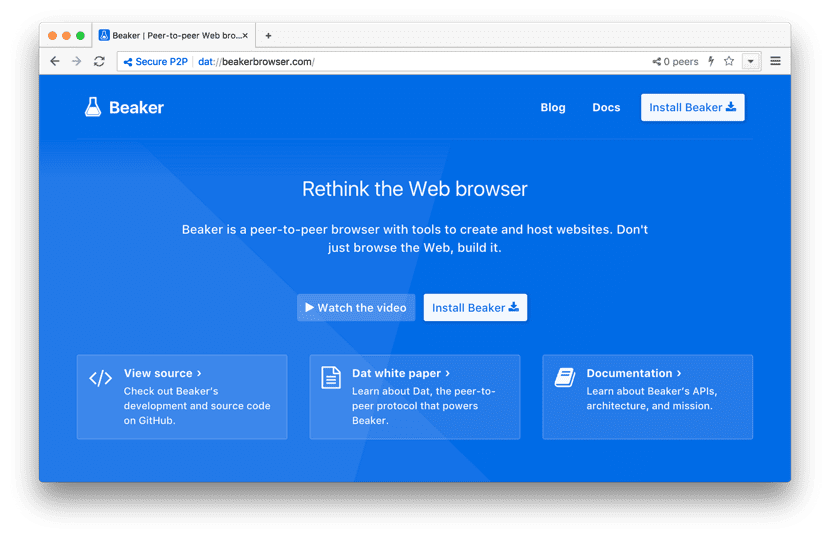
Beaker isn’t your average Web3 browser—it’s an experimental playground for developers and digital DIYers. Built around the Hypercore Protocol, it enables users to host and remix web content peer-to-peer without traditional servers.
Though it lacks mainstream wallet or dApp integrations, Beaker excels as a sandbox for testing decentralized websites, static hosting, and custom protocols.
If your idea of Web3 includes total autonomy and creative control, this browser offers a raw but rewarding experience.
While it may not top usage charts, its ethos and tech still earn it a nod in any serious roundup of the best Web3 browsers for 2025—especially for hackers, builders, and free internet radicals.
Must-Have Web3 Tools That Pair with These Browsers
Even the best Web3 browsers can’t do it all alone. To truly unlock the full potential of decentralized internet experiences in 2025, users need the right tools running alongside their browsers.
These cross-browser utilities work seamlessly with Brave, Opera, Aloha, and others—helping users safely navigate, transact, and interact with blockchain-based applications.
Let’s explore the must-have Web3 tools that level up your browsing game.
MetaMask & WalletConnect: Your Passport to the dApp Universe
No list of Web3 essentials would be complete without MetaMask, the most widely used crypto wallet extension.
With native support for Ethereum, layer-2s, and dozens of EVM-compatible chains, MetaMask works flawlessly across Brave, Opera, and even Chrome-based extensions.
Pairing MetaMask with WalletConnect expands access to mobile dApps and DeFi platforms—allowing users to authorize transactions from their phones while browsing on desktop. Together, they form the backbone of secure dApp interaction across the best Web3 browsers in 2025.
IPFS Companion: Supercharging Decentralized Hosting
For users engaging with peer-to-peer content, IPFS Companion is an essential browser extension. It allows seamless integration between your browser and your local IPFS (InterPlanetary File System) node, enabling you to retrieve and host content on a decentralized network—bypassing traditional servers entirely.
IPFS Companion works across any Chromium-based browser and is particularly powerful when paired with Brave or Beaker, both of which support native IPFS links.
Whether you’re publishing blog posts or exploring distributed archives, this tool empowers the decentralized spirit that the best Web3 browsers are built on.
ENS & Unstoppable Domains: Censorship-Resistant Browsing
Say goodbye to clunky URLs and centralized domain registrars. With Ethereum Name Service (ENS) and Unstoppable Domains, users can access websites using human-readable names like yourname.eth or wallet.crypto.
Many top browsers—including Brave and Opera—support these decentralized domain systems out of the box. This means you can visit a blockchain-hosted site or even direct wallet addresses without ever touching a .com.
In 2025, these services are more than novelty—they’re integral parts of how the best Web3 browsers deliver uncensored and permissionless browsing.
Web3 Antivirus & Privacy Extensions: Safety Nets for the Wild West
Web3’s openness is empowering—but also risky. As phishing attacks and fake dApps multiply, browser-based protection is essential.
Tools like Blowfish, Shield3, and Web3 Antivirus are becoming go-to extensions for real-time scam detection and contract risk analysis.
These extensions run quietly in the background, flagging suspicious wallet interactions, malicious NFT contracts, and even draining scripts.
Especially when using DeFi or NFT platforms, pairing these with the best Web3 browsers provides a critical layer of security without compromising speed or usability.
Choosing the Best Web3 Browser for You
With so many decentralized tools emerging, choosing the right browser can feel overwhelming. But not all Web3 browsers are created equal—and that’s a good thing.
The best Web3 browsers in 2025 are tailored for different needs, from ease of use to advanced crypto workflows. Here’s how to pick the one that fits your digital lifestyle.
For Beginners: Opera Crypto Browser
If you’re just entering the decentralized space, Opera Crypto Browser offers the smoothest on-ramp.
With a friendly interface, built-in wallet support, and minimal setup friction, it’s often listed among the best Web3 browsers for new users. From NFT marketplaces to DeFi dashboards, everything feels familiar—even if you’re brand new to crypto.
For Privacy Seekers: Brave or Aloha
When privacy is your priority, Brave and Aloha Browser are top contenders. Brave blocks trackers, ads, and fingerprinting by default, while also supporting Tor routing and IPFS. Aloha, especially on mobile, emphasizes encrypted browsing and anonymous browsing tools. Both deliver secure, decentralized access without sacrificing usability.
For Developers and Tinkerers: Beaker or Puma
Web3 builders and experimentalists will find their home in Beaker Browser or Puma. Beaker’s P2P architecture lets you host and remix websites locally with the Hypercore Protocol, making it ideal for decentralized publishing and testing.
Puma, on the other hand, focuses on micropayments and content monetization—perfect for devs exploring the creator economy.
For Crypto Power Users: Brave + MetaMask Combo
Looking to manage tokens, interact with dApps, and sign smart contracts all day? The Brave + MetaMask combo delivers peak performance.
Brave’s built-in wallet handles basic needs, but connecting MetaMask unlocks access to advanced DeFi protocols, NFT tools, and DAO governance. This stack is favored by serious Web3 veterans using the best Web3 browsers for daily on-chain activity.
Conclusion
In 2025, the best Web3 browsers are more than just tools for navigating the internet—they’re full-fledged gateways to a new digital world.
Whether you’re earning tokens for your attention, accessing dApps directly, or hosting your own content peer-to-peer, these browsers are rewriting the rules of engagement online.
Brave, Opera, Aloha, Puma, and Beaker each offer distinct strengths. Paired with essential tools like MetaMask, IPFS Companion, and privacy-focused extensions, they empower users to take back control—of data, identity, and online experience.
The internet is no longer a one-way street controlled by Big Tech. It’s a decentralized, user-owned frontier.
Try one of the best Web3 browsers today, sync your wallet, and experience the future of browsing firsthand.