Here is the future of fashion with Wear-to-Earn NFTs, where your digital outfits pay instead of just dazzling.
- 1 Introduction
- 2 What Are Wear-to-Earn NFTs?
- 3 How Wear-to-Earn Works: Behind the Seams
- 4 Fashion’s Blockchain Pivot: Why Now?
- 5 The Tokenomics of Looking Good
- 6 Notable Wear-to-Earn NFT Projects to Watch
- 7 Benefits and Challenges
- 8 The Future of Fashion x NFTs
- 9 Conclusion
- 10 Frequently Asked Questions (FAQs)
Introduction
Why Gen Z Is Flaunting NFTs Like Vintage Prada
Picture this: a 19-year-old at Paris Fashion Week struts not just in a holographic Balenciaga jacket but with a digital twin of the outfit shimmering on her phone, earning crypto rewards with every step.
Welcome to the era of Wear-to-Earn NFTs, where high fashion walks hand-in-hand with blockchain tech, and every outfit might just pay for itself.
So, what exactly are Wear-to-Earn NFTs? In one punchy line: they’re digital fashion assets that reward users, financially or otherwise, for showcasing them across virtual and real-world platforms.
This article unpacks the bold fusion of haute couture and high-tech: why brands are betting big on fashion NFTs, how users are cashing in, and what makes wear-to-earn NFTs the hottest digital accessory of 2025.
From metaverse catwalks to loyalty-driven reward ecosystems, we decode the synergy between fashion and blockchain, no crypto jargon, just the facts and flair.
What Are Wear-to-Earn NFTs?
In the simplest terms, wear-to-earn NFTs are blockchain-based fashion assets that reward users for wearing or displaying them across digital and physical environments.
Whether you’re rocking a virtual Balmain jacket in Decentraland or pairing a real-world hoodie with its NFT twin on Instagram, you’re not just styling, you’re earning.
At the heart of wear-to-earn NFTs is a performance-based reward model. When users showcase these digital garments in approved platforms, think metaverse spaces, AR filters, or verified IRL events, they can receive incentives like crypto tokens, brand loyalty points, access passes, or even rare digital upgrades.
The system typically tracks engagement using smart contracts and sometimes AI-driven analytics, ensuring that users who contribute visibility get rewarded.
This concept builds on and borrows from other blockchain reward systems. Move-to-earn apps pay you to stay fit. Play-to-earn games reward your in-game grinding.
But wear-to-earn NFTs elevate personal branding to an income stream, turning fashion choices into monetizable actions.
Unlike move-to-earn’s focus on physical effort or play-to-earn’s gaming environments, wear-to-earn thrives in the hybrid space of digital identity and cultural influence.
Wear-to-earn NFTs come in multiple forms. Augmented reality (AR) wearables can be layered over live camera feeds for social posts.
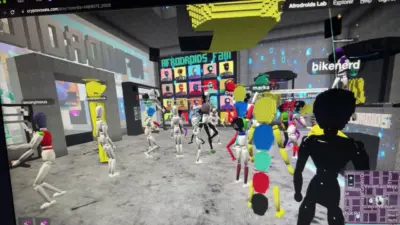
Metaverse skins allow you to dress avatars in exclusive designer drops. Physical-twin NFTs connect real-world apparel with a digital proof-of-ownership or style-enhancing utility, creating a 360° style loop.
As of 2025, some high-end brands have issued collections where owning the NFT unlocks both the physical outfit and metaverse-ready duplicates, making fashion borderless, traceable, and profitable.
How Wear-to-Earn Works: Behind the Seams
Underneath the glitz of virtual runways and Instagram-ready filters lies a surprisingly complex digital machinery powering wear-to-earn NFTs. It begins with on-chain identity; your crypto wallet isn’t just where you store tokens; it’s your closet, your passport, and your style archive.
When linked to avatars across metaverses or AR apps, your wallet becomes a wearable portfolio, proving ownership of specific fashion NFTs and enabling real-time rewards.
The technical backbone of wear-to-earn NFTs blends smart contracts with advanced integrations. Smart contracts automate the reward logic—triggered when users wear verified NFTs in designated environments.
Geo-tagging ensures location-specific events or drops can be validated (e.g., attending a branded pop-up in Tokyo wearing a certain digital tee).
Meanwhile, mobile and AR apps track activity through app-layer interactions, linking physical presence or digital display to on-chain events.
To make this seamless, oracles play a crucial role. These are data bridges that feed off-chain information like geolocation or app usage into smart contracts, ensuring wear-to-earn NFTs function across mixed-reality layers.
Rewards are often distributed as ERC-20 tokens or native platform currencies, such as $DRESSX or $FABRIC, which can be redeemed for exclusive drops, fiat value, or voting rights in DAO-led collections.
Several platforms have already woven themselves into the fabric of wear-to-earn innovation.
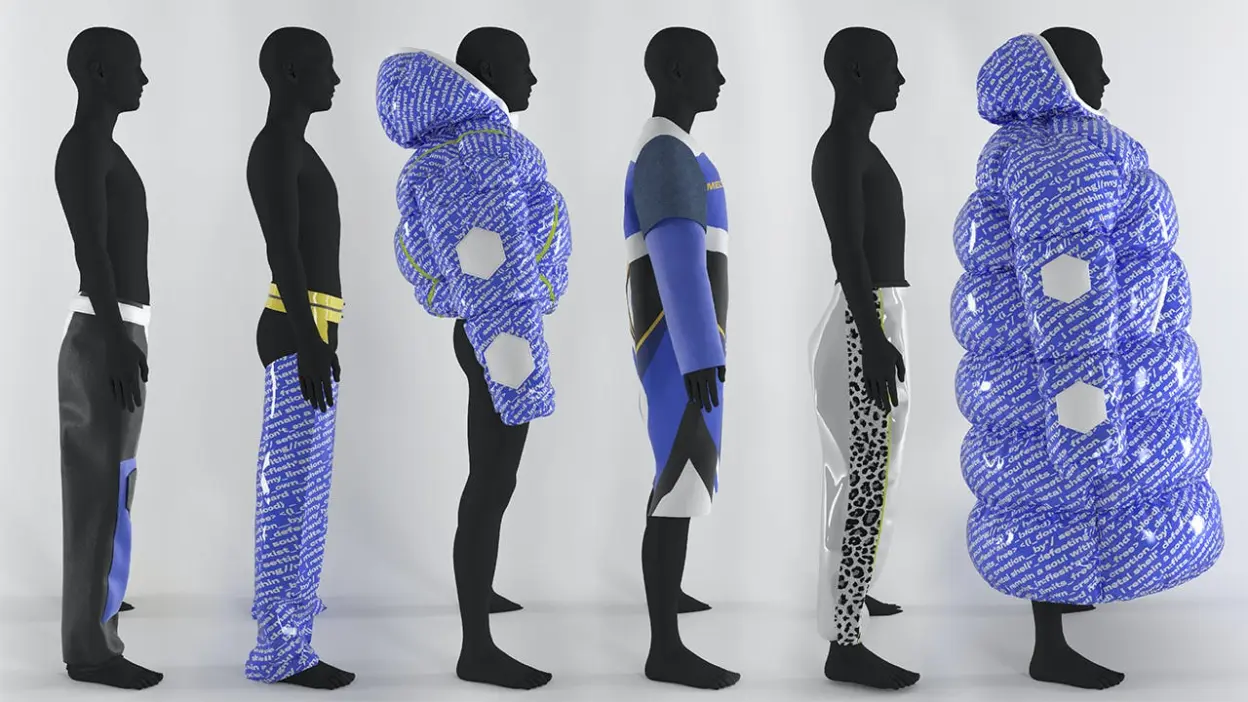
DRESSX enables users to style themselves in digital couture for social posts and earn tokenized perks. The Fabricant creates co-creative NFT fashion that rewards wearers and collaborators alike.
SYKY blends traditional luxury with Web3, while Space Runners gamifies fashion with avatar skins and interoperable items that reward engagement.
Together, they showcase the full potential of wear-to-earn NFTs, where blockchain meets self-expression, and style finally pays.
Fashion’s Blockchain Pivot: Why Now?
The pandemic changed more than our wardrobes; it rewired the way we express identity. As lockdowns drove people online, fashion’s footprint followed.
Digital fashion surged as metaverse ecosystems like Decentraland and The Sandbox offered new runways for self-expression. Wear-to-earn NFTs emerged at the perfect intersection: fashion that lives online, proves ownership, and pays you to show off.
Gaming environments further accelerated the shift. In Fortnite, users spend billions yearly on skins, purely cosmetic items. Roblox and Zepeto now allow creators to design and sell virtual outfits to millions of users.
These digital garments can now be turned into wear-to-earn NFTs, bridging gaming vanity with real-world value. Instead of just buying digital outfits, users can earn rewards for visibility, engagement, and even loyalty to brands.
There’s also a sustainability narrative baked in. The fashion industry is one of the world’s largest polluters, generating over 90 million tons of waste annually. Wear-to-earn NFTs offer a low-impact alternative: zero fabric, infinite expression.
With virtual couture, brands can release entire collections without ever cutting cloth, minimizing textile waste while tapping into eco-conscious audiences.
Gen Z and Gen Alpha aren’t waiting. These digital-native fashionistas often value virtual identity as much as physical. Their social capital is built across Instagram, TikTok, and metaverses, where outfit flexing is constant.
For them, wear-to-earn NFTs aren’t a gimmick, they’re the natural evolution of style: decentralized, dynamic, and monetized. As Web3 matures, fashion’s blockchain pivot is no longer a bold experiment; it’s the new default.
The Tokenomics of Looking Good
In the world of wear-to-earn NFTs, your wardrobe does more than make a statement; it becomes a stream of income.
Monetizing style is now a viable path as users earn crypto tokens, digital badges, early access to drops, and even governance rights just by showcasing their digital garments. Whether strutting in metaverses, posting on socials with AR filters, or attending phygital fashion events, visibility converts to value.
Most wear-to-earn NFTs deploy gamified systems to drive engagement. Missions and quests, such as wearing a specific NFT in a certain digital space or sharing content on-chain, can yield token rewards.
Some platforms implement tiered reward ladders: complete three style challenges, unlock a rare digital piece; generate five UGC posts, earn native tokens. These mechanics not only incentivize participation but also keep users actively styling and sharing.
For brands, the upside is equally stylish. Wear-to-earn NFTs foster customer loyalty by rewarding interaction, not just purchase.
User-generated content (UGC) becomes a marketing engine, while smart contracts ensure brands receive perpetual royalties on secondary sales. The model turns passive fashion fans into active brand builders, all tracked on-chain.
However, this ecosystem isn’t without risks. Token inflation can devalue rewards if supply outpaces utility. Speculative behavior, buying wear-to-earn NFTs just to flip, can distort community dynamics.
And then there’s the vanity loop: users chasing clout and coin, not authentic expression. Without careful design, platforms may reward performance over personality, gamifying style at the cost of substance.
Still, when executed with balance, the tokenomics of wear-to-earn NFTs represent a bold reinvention of how we value fashion, not just as aesthetics, but as assets.
Notable Wear-to-Earn NFT Projects to Watch
DRESSX: AR Fashion Meets Token Utility
DRESSX stands out as a pioneer in the wear-to-earn NFTs space. The platform allows users to purchase virtual fashion pieces and wear them through AR filters on social platforms.
With a growing selection of designer collabs and a built-in rewards system, users can earn tokens for sharing their digital outfits, blending style, visibility, and monetization in one click.
SYKY: Digital Luxury for the Web3 Era
SYKY bridges traditional high fashion with decentralized design. It’s a curated marketplace that enables digital designers to showcase limited-edition fashion NFTs while collectors gain exclusive access to drops, community governance, and token rewards. SYKY empowers creators and collectors alike to earn from engagement, making wear-to-earn NFTs aspirational and profitable.
Space Runners: Sneakers in the Metaverse
Space Runners focuses on wearable NFT sneakers that double as performance assets in digital environments. From interoperable avatar skins to gamified quests that issue token rewards, the platform brings a sporty edge to digital fashion. Its sneaker drops often include wear-to-earn mechanics like leaderboard bonuses and staking options.
RED DAO, 0N1 Force, and RTFKT Studios: Community-Driven and Brand-Led
RED DAO invests in digital fashion collectibles, often backing notable NFT launches. 0N1 Force’s collaborations have brought stylized fashion gear to its community, incorporating wear-to-earn incentives like in-world missions and brand collabs.
Nike’s RTFKT Studios remains the benchmark, pairing physical sneakers with NFT counterparts that unlock metaverse wearability and exclusive perks. Their CloneX avatars are equipped to wear and earn.
Big Brands Embracing Wear-to-Earn NFTs
Luxury and streetwear labels are also stepping into the wear-to-earn arena. Gucci, Adidas, and Dolce & Gabbana have each released NFT collections that include perks like token-gated access, resale royalties, and digital try-ons.
These initiatives validate wear-to-earn NFTs as more than a trend; they’re a strategic pivot into the future of fashion.
Benefits and Challenges
The benefits of wear-to-earn NFTs are clear: they democratize fashion by removing physical production barriers, enable creator monetization, and allow users to express identity across platforms, from Instagram to metaverses like Spatial. Cross-platform wardrobes offer a fluid, on-chain style history that’s owned and controlled by the user.
But challenges persist. The UX around blockchain remains intimidating for new users, while hardware limitations, like the slow adoption of AR glasses, restrict immersive experiences. Blockchain onboarding friction, from wallet setup to gas fees, can hinder adoption.
Legal ambiguity around IP also poses questions: if you earn a digital outfit during an in-game quest, do you truly own the rights to remix, resell, or display it?
The Future of Fashion x NFTs
Looking ahead, wear-to-earn NFTs are poised for massive evolution. Expect AR filters to morph into dynamic NFT garments, pieces that shift color, style, or visibility based on real-time data like mood, calendar events, or even local weather.
AI-generated outfits trained on user behavior will unlock ultra-personalized fashion, evolving with your digital life.
Interoperability is the holy grail. One wardrobe, many worlds, an NFT jacket you wear in Fortnite, flex on Instagram, and redeem for real-life perks at an IRL fashion show.
As digital identity becomes as important as physical, wear-to-earn NFTs may redefine not just style, but self-expression and consumer identity at large. The mirror is changing, and it’s on-chain.
Conclusion
Fashion’s on-chain revolution is no longer a concept; it’s a living, wearable reality. From AR-enhanced runways to tokenized jackets that earn while you flex, wear-to-earn NFTs are redefining what it means to dress with purpose in a digital-first world.
This shift merges creativity, technology, and commerce in a way that empowers both creators and consumers.
But as exciting as this evolution is, it deserves more than hype-chasing. The real value in wear-to-earn NFTs lies not in the flashiest drop or the fastest flip, but in understanding how these assets intersect with identity, ownership, and cultural expression.
Choose platforms that align with your values. Support creators pushing boundaries. And don’t be afraid to learn before you earn.
Because in the age of Web3, the most valuable accessory isn’t clout, it’s authenticity. And in this new wardrobe economy, being true to your digital self might just be the most rewarding look of all.
Frequently Asked Questions (FAQs)
What are Wear-to-Earn NFTs?
Wear-to-earn NFTs are digital fashion assets that reward users for showcasing them online or in the metaverse.
How do Wear-to-Earn NFTs work?
Users wear NFT outfits in apps, games, or AR filters; smart contracts track activity and issue rewards like tokens or access.
Can you actually make money with NFT fashion?
Yes, users can earn crypto, exclusive drops, or resale royalties by wearing and promoting NFT fashion.
Which brands are using Wear-to-Earn NFTs?
Gucci, Nike (RTFKT), Adidas, Dolce & Gabbana, and digital-native platforms like DRESSX and SYKY.
Are Wear-to-Earn NFTs the future of digital fashion?
Yes, they offer monetized self-expression, sustainability, and cross-platform style, hallmarks of fashion’s Web3 future.