
In today’s interconnected world, digital identity serves as the foundation for accessing financial services, healthcare, e-governance, and cross-border trade.
However, traditional identity systems are struggling to meet the demands of a digital-first economy.
Centralized databases are vulnerable to large-scale breaches, fragmented identity frameworks make cross-border verification difficult, and citizens often lack control over how their personal data is stored and shared.
- 1 Limitations of Traditional Digital Identity Systems
- 2 What Web3 Brings to Digital Identity
- 3 Why Governments are Exploring Web3 for Digital Identity
- 4 Real-World Government Web3 Identity Initiatives (2025 Update)
- 5 Benefits for Citizens and Enterprises
- 6 Challenges and Risks in Government Adoption
- 7 Future Outlook: The Convergence of AI, Web3, and Digital Identity
- 8 Conclusion
Limitations of Traditional Digital Identity Systems
While digital identity has become vital for financial inclusion, online services, and government programs, legacy systems are showing major flaws in a digital-first world.
Centralized Data Silos and Cybersecurity Risks
Most traditional digital ID systems rely on centralized databases controlled by governments or large institutions. These single points of failure are prime targets for hackers.
High-profile breaches, ranging from the 2017 Equifax hack to Aadhaar’s recurrent data leaks in India, exposed the vulnerability of billions of users’ personal information. Once stolen, such information is almost impossible to recover or secure.
Limited Interoperability Across Borders and Institutions
Today’s digital identity frameworks remain fragmented. A citizen’s ID in one country, or even one state, may not be recognized elsewhere, hindering cross-border activities such as e-commerce, remittances, and travel.
This lack of interoperability impedes global economic integration and causes inefficiencies for businesses and governments.
Privacy Concerns and Lack of Citizen Control
Traditional systems rarely allow individuals complete control over their identity data. Citizens cannot choose what attributes to share or restrict access to sensitive information.
Instead, institutions frequently collect and store more data than is necessary, triggering worries about surveillance, misuse, and the erosion of individual privacy.
Costly Verification Processes for Governments and Enterprises
Identity verification in legacy systems is both expensive and time-consuming. Governments spend billions of dollars each year to maintain ID infrastructures.
Banks and enterprises incur significant onboarding and compliance expenses as a result of Know Your Customer (KYC) and Anti-Money Laundering (AML) requirements. These inefficiencies highlight the need for a more affordable and secure alternative.
What Web3 Brings to Digital Identity

The rise of Web3 is changing how digital identity can be designed, verified, and managed. Unlike traditional models, which rely on centralized control, Web3 introduces decentralization, security, and citizen empowerment.
These attributes explain why governments are exploring Web3 for digital identity as the cornerstone for the next generation of public infrastructure.
Decentralization: Eliminating Single Points of Failure
In Web3 systems, digital identities are stored and verified across distributed blockchain networks rather than being controlled by a single authority. This minimizes the likelihood of mass data breaches and ensures that no single entity can manipulate or exploit identity records.
Blockchain Immutability: Tamper-Proof Verification
Blockchain technology ensures immutability; once identity credentials or verification data are stored on the blockchain, they cannot be modified or deleted without consensus.
This gives governments a dependable and transparent audit trail, lowering fraud in areas such as elections, benefit distribution, and border control.
Self-Sovereign Identity (SSI): Citizen Ownership of Data
Web3 enables self-sovereign identity (SSI), which allows individuals to own and manage their identity credentials directly through cryptographic wallets.
Citizens can selectively disclose features (such as age or residency) without revealing full personal information, increasing both privacy and trust in digital interactions.
Interoperability: Cross-Border and Multi-Platform Usability
Web3 identity solutions are built for interoperability, allowing a citizen’s digital identity to function seamlessly across borders, financial institutions, healthcare systems, and online platforms.
This has profound implications for global mobility, trade, and international compliance.
Web3 introduces a paradigm shift, moving from government- or institution-controlled IDs to citizen-centric, tamper-proof, and globally interoperable identity systems.
Why Governments are Exploring Web3 for Digital Identity
The push toward next-generation identity systems is no longer theoretical; governments globally are actively exploring how Web3 can strengthen trust, efficiency, and inclusivity in digital services.
The primary reason governments are exploring Web3 for digital identity is its capacity to blend technological innovation with citizen-centric governance.
Trust and Security: Reducing Fraud and Identity Theft
Traditional ID systems are vulnerable to hacks and data leakage. Web3 secures identities via cryptography and blockchain immutability, making it much more difficult for malicious actors to fabricate credentials or exploit stolen data.
Governments see this as a method to reduce identity fraud, safeguard citizen records, and increase trust in public services.
Efficiency: Streamlined Verification for Public Services
Identity verification is essential for governance, from passport control to welfare distribution. Web3-based digital IDs provide fast authentication using blockchain credentials, reducing delays in areas such as border control, healthcare access, and voting.
This not only enhances the citizen experience but also increases transparency in democratic processes.
Inclusion: Bringing Digital ID to the Underserved
Approximately 850 million individuals globally lack a recognized form of identification, excluding them from financial services, education, and healthcare.
Web3’s self-sovereign identity (SSI) systems enable governments to provide secure, portable IDs to underbanked and under-documented populations. This allows states to foster greater financial inclusion and social equity.
Cost Savings: Lower Administrative Overhead
Manual verification techniques, such as documentation and in-person checks, are costly and time-consuming. Web3 digital ID frameworks can reduce administrative burdens by automating verification, lowering fraud-related expenses, and improving cross-agency data sharing.
The savings for governments managing millions of transactions daily are substantial.
Compliance: Aligning with Global Digital Trust Standards
Governments are under pressure to comply with evolving global digital trust frameworks. Initiatives such as the EU’s eIDAS 2.0 and the W3C Verifiable Credentials prioritize interoperability, privacy, and trust.
Web3-based ID systems naturally align with these standards, making them a future-ready solution for international cooperation and digital economy integration.
Web3 is gaining momentum among governments for its secure, cost-effective, and inclusive digital identity model that meets global compliance requirements and the needs of a digital-first society.
Real-World Government Web3 Identity Initiatives (2025 Update)
European Union: EUDI Wallet
Over 350 public and commercial organisations from 26 EU member states, Norway, Iceland, and Ukraine are piloting the EU Digital Identity Wallet (EUDI Wallet), part of the eIDAS 2.0 framework.
These projects encompass 11 use cases, ranging from issuing wallets to giving identity documents for services like healthcare and travel.
The European Commission is co-funding the pilot deployment, which will run through 2025 and leverages open-source prototypes to align wallets with interoperability and security standards.
Estonia: Blockchain ID and e-Residency
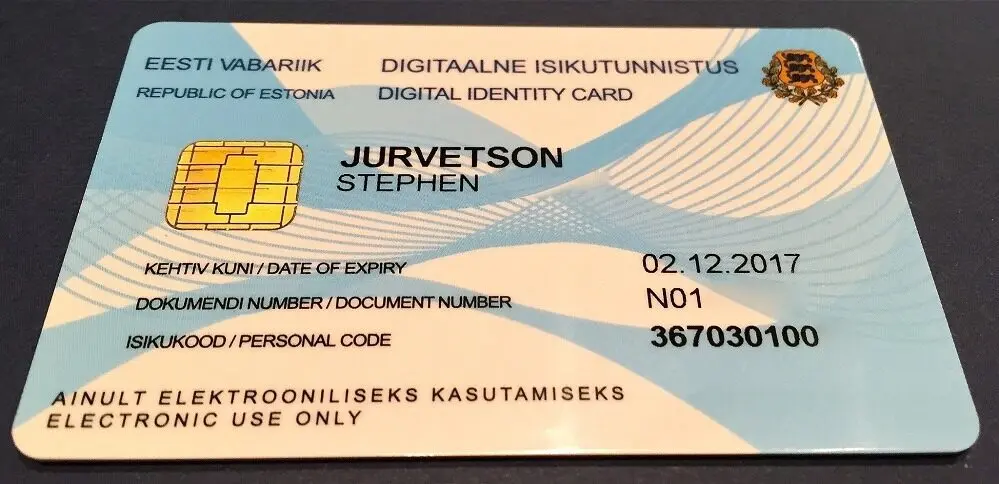
Estonia continues to lead in digital governance, with its e-Residency program serving over 110,000 e-residents in 170+ countries and generating more than €2.5 billion in commercial revenue since its establishment.
Its KSI blockchain (Keyless Signature Infrastructure) provides tamper-proof data integrity, enabling services like online voting, healthcare access, and secure document signing, truly embodying self-sovereign and verifiable credentials.
India: Aadhaar Evolution Toward Web3
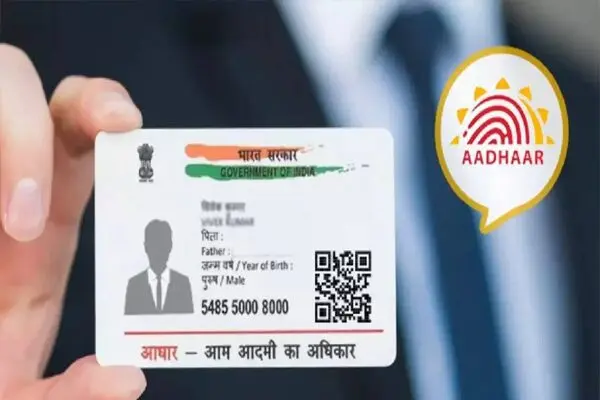
While India’s Aadhaar remains centralized, major developments point to its evolution.
For example, the UIDAI recently collaborated with Starlink to implement Aadhaar-based e-KYC for streamlined, secure onboarding, showing how India’s digital ID infrastructure is enabling modern use cases and potentially paving the way for future Web3 integration.
Dubai: Web3-Enabled Digital Identity in Smart City Vision

Dubai is exploring a Web3-driven identity model as part of its Blockchain Strategy, with the aim of being the first fully blockchain-powered government.
The UAE PASS digital ID (used for over 5,000 services) is evolving toward decentralized identity (DID), which includes zero-knowledge proofs and user-controlled credentials.
The city is incorporating Web3 tools into public services like land registry, digital signatures, and asset tokenization, resulting in a privacy-first, interoperable, and efficient digital identity ecosystem.
These real-world applications highlight why governments are exploring Web3 for digital identity: improved security, broader access, interoperability, and a trusted infrastructure designed for the demands of a digitally connected age.
Benefits for Citizens and Enterprises
The shift toward Web3-powered digital identity is not only transforming government services but also bringing immediate advantages to both citizens and enterprises.
By tackling long-standing inefficiencies and privacy challenges, Web3 IDs are shaping a more secure, user-centric digital economy.
1. Faster KYC/AML Compliance for Financial Institutions
Traditional Know Your Customer (KYC) and Anti-Money Laundering (AML) checks can take days and involve repetitive document verification.
With Web3-enabled verifiable credentials, financial institutions can instantly validate identities without repeatedly keeping sensitive consumer data.
This minimizes compliance expenses and accelerates onboarding while enhancing fraud detection. According to a World Bank report, digital identity systems could save businesses and governments up to $1 trillion annually by 2030 through faster verification processes.
2. Cross-Border Travel and Digital Residency
Web3 digital IDs introduce interoperability across borders, enabling citizens to utilize a single, verifiable identity wallet for travel, immigration, and access to international services.
Initiatives such as the EU Digital Identity Wallet (EUDI Wallet) and Estonia’s e-Residency initiative highlight how decentralized credentials can facilitate cross-border residency and business setup.
This global interoperability improves mobility for entrepreneurs, digital nomads, and international students.
3. Stronger Privacy Controls with Self-Sovereign Identity
Unlike centralized systems where governments or business corporations own personal data, Web3 identities are based on self-sovereign identification (SSI) principles.
Users choose what information to disclose and with whom, utilizing privacy-preserving tools such as zero-knowledge proofs (ZKPs).
Instead of exposing full identity documents, a citizen can prove they are over 18 without revealing their date of birth, eliminating unnecessary data exposure and the risk of identity theft.
4. Reduced Onboarding Friction for Businesses and Fintech Platforms
Enterprises and fintech platforms benefit from faster, user-controlled verification processes, which reduce onboarding time from days to minutes.
Web3-based authentication removes the need for repeated credential submissions, lowers manual review, and enhances trust between service providers and users.
This not only improves the consumer experience but also enables scalable digital transformation, particularly in e-commerce, banking, healthcare, and the gig economy.
Web3 benefits citizens and enterprises through faster compliance, seamless global mobility, increased privacy, and reduced friction in digital interactions, making digital identity systems smarter, safer, and more aligned with the demands of a connected society.
Challenges and Risks in Government Adoption
While Web3-powered digital identity has great promise, governments face complex challenges in expanding these systems for national or cross-border use.
Understanding these challenges is essential in explaining why governments are exploring Web3 for digital identity but proceeding with caution.
1. Technical Challenges: Bridging Legacy and Web3 Systems
Most governments still rely on traditional IT infrastructures that were not built to interact with blockchain-based identity systems. Achieving smooth interoperability between centralized databases and decentralized identity wallets remains a significant challenge.
Integration without standard protocols increases the risk of delays, inefficiencies, and increased costs for public sector IT modernization.
2. Legal and Regulatory Concerns
The legal landscape surrounding Web3 digital identity is still evolving. Jurisdictional issues hamper adoption, particularly when GDPR data protection requirements conflict with the immutability of blockchain.
Questions about data ownership, portability, and the right to be forgotten are regulatory grey areas that governments must resolve before full-scale deployment. Compliance with frameworks such as eIDAS 2.0 in the EU and the W3C Verifiable Credentials standards will be critical for legal alignment.
3. Social Barriers: Digital Literacy and Trust
For citizens, adoption strongly relies on digital literacy and trust in government systems. In regions where internet connectivity and smartphone usage are limited, using Web3-based identity solutions may worsen inequality.
Furthermore, public skepticism about government surveillance on blockchain networks slows adoption unless sufficient safety and transparency mechanisms are implemented.
4. Scalability and Cost Efficiency
Decentralized identity solutions must manage millions of verifications every day while maintaining low transaction fees and ensuring fast processing speeds. Current blockchain networks have scalability limitations, which could prevent extensive government use.
Layer-2 scaling solutions and gasless transactions are being explored to address these concerns, but achieving long-term cost efficiency remains a work in progress.
While Web3 lays the foundation for safe, interoperable, and citizen-centric digital identity, governments must overcome technical, regulatory, social, and scalability challenges before large-scale adoption becomes a reality.
Future Outlook: The Convergence of AI, Web3, and Digital Identity
The next wave of digital identity will be driven by the convergence of AI, blockchain, and global governance frameworks, rather than just Web3.
This convergence explains why governments are exploring Web3 for digital identity as part of a larger digital trust ecosystem designed for security, efficiency, and inclusivity.
1. AI-Powered Verification with Blockchain Credentials
AI is changing the way identity verification is done. AI-enabled systems can analyze biometric data, behavioral patterns, and document authenticity in real time. When paired with blockchain-backed credentials, this results in a system of tamper-proof and adaptive verification.
Governments are already using AI to detect fraud in e-passports and integrating it with W3C Verifiable Credentials to enable secure, automated identity verifications.
2. Integration with IoT and Smart City Infrastructures
As cities adopt IoT-enabled infrastructure, ranging from digital health records to border control and transport systems, the role of Web3 digital identity will expand.
Smart city platforms could integrate self-sovereign identities (SSI), allowing citizens to easily access healthcare, government websites, and urban services without the need for repetitive verification.
For example, Dubai’s smart city vision already includes blockchain-based ID frameworks in its digital ecosystem.
3. Cross-Border Recognition and Global Governance
Most digital ID initiatives are now siloed within national borders, which is a significant hurdle. The future outlook predicts cross-border recognition, with digital IDs secured through Web3 and AI verification approved worldwide.
The European Union’s EUDI Wallet, under eIDAS 2.0, is a step in this direction, with the goal of achieving interoperability across all member states.
Similar frameworks could be implemented globally, with backing from international governance bodies, to ensure standards, compliance, and trust.
Looking ahead, the combination of AI, Web3, and digital identity could lay the basis for a borderless digital trust layer, allowing frictionless trade, secure travel, and faster access to government and enterprise services.
Governments exploring this convergence now are setting the stage for the future generation of citizen-centric digital ecosystems.
Conclusion
The growing demand for secure, user-controlled, and interoperable identity systems explains why governments are exploring Web3 for digital identity.
Web3 solutions, in contrast to traditional centralized databases, use decentralization, blockchain immutability, and self-sovereign identity (SSI) models to reduce fraud, improve privacy, and streamline cross-border verification.
This makes them more relevant in an era where digital-first economies and global mobility necessitate reliable identity systems.
Ultimately, governments that embrace Web3 today are building the foundation for the next decade of global digital trust.
They are not just safeguarding their digital economies but also providing citizens with more control over their personal data.
The convergence of AI, Web3, and global governance frameworks will hasten this transformation, making decentralized digital identity the bedrock of future societies.