
Learn how Web3 universities and on-chain certifications are reshaping credentials, verification, and learner ownership with practical examples.
Introduction
Decentralized education is the movement toward learning systems that are not controlled by a single institution but rather powered by distributed technologies and transparent digital infrastructures.
Unlike the traditional model, where universities act as sole gatekeepers of credentials, decentralized learning emphasizes accessibility, verifiability, and global participation.
For decades, traditional academic credentials have struggled to keep pace with the digital economy. They are slow to issue, often taking months to process, which delays career opportunities.
They are expensive to obtain, with average student loan debt surpassing $37,000 in the United States as of 2025. They are also vulnerable to forgery, with fraudulent degrees costing organizations billions annually in hiring risks.
These weaknesses expose a critical gap in how knowledge and qualifications are validated.
This gap is now being addressed by Web3 universities and on-chain certifications.
These blockchain-powered platforms allow learners to acquire skills, earn proof of achievement, and showcase them in a tamper-proof, instantly verifiable format.
By leveraging smart contracts, students can own their credentials in digital wallets, employers can verify authenticity in seconds, and education becomes borderless.
The rise of Web3 universities and on-chain certifications signals not just a technological upgrade but a redefinition of how knowledge is recognized in the global economy.
What Are Web3 Universities?
Web3 universities represent a new model of higher learning where education is organized around decentralized governance, blockchain infrastructures, and token-driven incentives.
Unlike traditional universities that rely on centralized boards and administrative hierarchies, these institutions use smart contracts and decentralized autonomous organizations (DAOs) to shape curriculum and funding decisions.
Students, educators, and stakeholders all contribute to governance, making the system more transparent and participatory.
A defining feature of Web3 universities is their ability to provide global access. Students from any location can participate in courses, often with token-based rewards for achievements or contributions.
This is different from Massive Open Online Courses (MOOCs) and traditional online universities, which still depend on centralized certification processes.
MOOCs may offer accessibility but struggle with low completion rates, while Web3 universities and on-chain certifications guarantee verifiable and transferable credentials through blockchain technology.
Examples of Web3 universities include the University of Nicosia, which pioneered blockchain-based courses, and platforms like LearnWeb3, which offer decentralized developer education.
Blockchain-focused academies are also emerging, serving as hubs where learners gain skills directly relevant to industries that demand trustless, transparent systems.
The distinction lies in ownership: learners truly own their credentials, stored in their digital wallets, unlike certificates issued by centralized institutions.
On-Chain Certifications Explained
On-chain certifications are digital credentials stored directly on blockchain networks, making them tamper-proof and easily verifiable.
They function as trustless proof of achievement, ensuring that a diploma, certificate, or micro-credential cannot be altered or counterfeited.
This provides a layer of authenticity that traditional paper or PDF certificates cannot match.
The process typically involves decentralized identifiers (DIDs) and digital wallets. A learner receives their credential in their wallet, which acts as a permanent and portable record.
When needed, the learner can present this credential to employers or other institutions, who can instantly verify its authenticity without intermediaries. This interoperability is one reason Web3 universities and on-chain certifications are rapidly gaining traction.
Several standards support these systems, including Blockcerts, which provides an open standard for issuing blockchain-based diplomas, W3C Verifiable Credentials, which ensure interoperability across platforms, and Ethereum Attestation Service, which secures attestations on Ethereum.
These frameworks are shaping a global movement toward universally recognized, trustless educational validation.
Real-World Case Studies
The adoption of blockchain in education is no longer an experimental idea but a practical reality. Several institutions and corporations have already begun integrating blockchain-based solutions to issue, store, and verify academic achievements. These real-world examples highlight how Web3 universities and on-chain certifications are moving from concept to implementation.
University of Nicosia

The University of Nicosia in Cyprus is widely recognized as the first higher education institution to issue diplomas on a blockchain, beginning in 2015.
Since then, it has continued to expand its blockchain initiatives, offering entire degree programs focused on digital currencies and decentralized technologies.
Its early adoption demonstrated that blockchain credentials could scale to real student populations while remaining secure and verifiable.
Today, graduates from the university can present blockchain-verified diplomas to employers worldwide, showing how Web3 universities and on-chain certifications can enhance cross-border recognition.
MIT’s Digital Diplomas

In the United States, the Massachusetts Institute of Technology pioneered blockchain-based diplomas using the Blockcerts standard.
The initiative provided graduates with digital credentials that could be stored in personal wallets and verified instantly by employers.
This approach eliminated delays associated with traditional transcript requests and reduced the risk of credential fraud.
The project has since inspired other universities to test similar models, proving that Web3 universities and on-chain certifications can deliver efficiency without sacrificing academic integrity.
Learning Economy Foundation and LearnCard
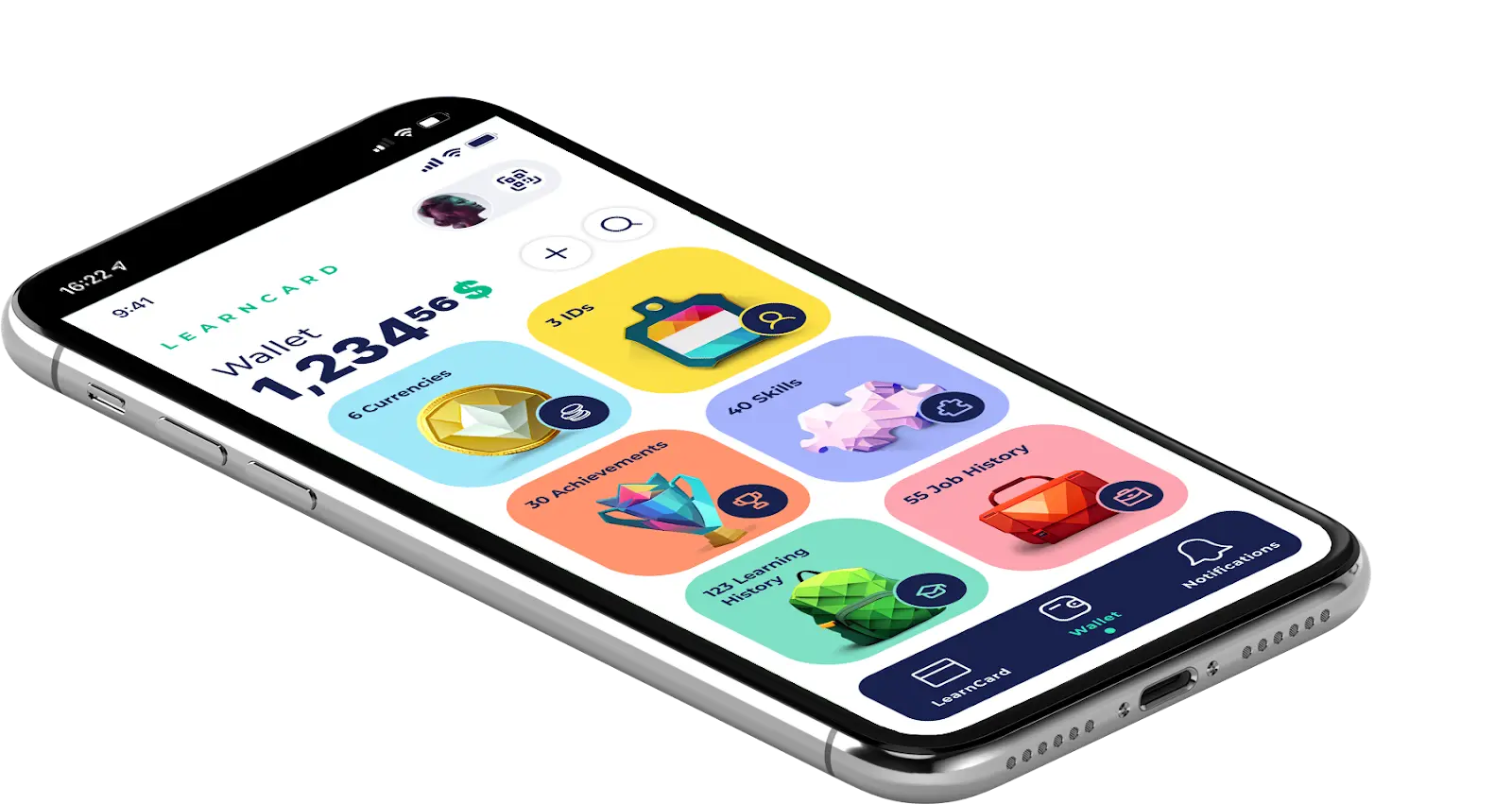
Beyond universities, non-profit organizations have advanced blockchain credential ecosystems. The Learning Economy Foundation launched LearnCard, a digital wallet designed for education.
It enables learners to collect, store, and share credentials across platforms, acting as a portable learning passport.
This interoperability allows students to demonstrate achievements in both formal and informal learning contexts, from university degrees to short online courses.
By standardizing how credentials are issued and shared, the LearnCard ecosystem reflects the scalability of Web3 universities and on-chain certifications in supporting lifelong learning.
Corporate Pilots: IBM and Google Cloud
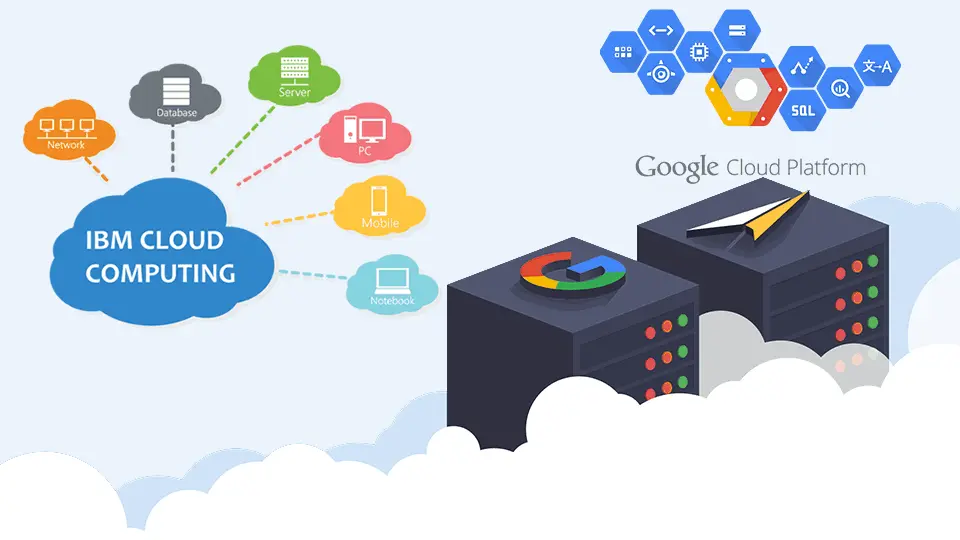
Corporations are also exploring blockchain credentials as a way to modernize workforce validation. IBM has experimented with digital badges for skills training, allowing employees to carry verified records of their learning.
Google Cloud has similarly explored pilot programs to integrate verifiable credentials into its training and certification pathways.
These experiments address a critical challenge in the job market: ensuring that skills claimed by applicants can be trusted. By adopting models inspired by Web3 universities and on-chain certifications, corporations can reduce hiring risks, accelerate recruitment, and adapt to an increasingly global workforce.
Broader Implications
Together, these initiatives illustrate the growing momentum behind blockchain credentials.
Universities are proving that academic diplomas can be secured on-chain, non-profits are building ecosystems for lifelong learning, and corporations are testing models for workforce adoption.
Each case study reinforces the idea that Web3 universities and on-chain certifications are not a distant possibility but an emerging standard.
As more institutions and companies adopt these systems, the foundation for a global, transparent, and learner-owned credential economy becomes stronger.
Benefits for Learners and Employers
One of the strongest benefits of Web3 universities and on-chain certifications is fraud-resistant verification.
Unlike traditional paper or PDF documents, blockchain credentials cannot be altered, duplicated, or forged. This ensures that both learners and employers operate in a trust-first environment.
Another advantage is portability and true ownership. Credentials issued on-chain are stored in the learner’s wallet, making them accessible across platforms, borders, and job markets.
Instead of requesting transcripts from universities, students maintain direct control of their achievements. This ownership reflects the broader Web3 ethos of user sovereignty and transparency.
Web3 universities and on-chain certifications also support micro-credentials and skill attestations. These are particularly valuable in the gig economy, where freelancers and contractors often need to prove specific expertise.
Instead of relying solely on resumes or references, workers can present blockchain-verified badges that employers can instantly validate.
For companies, faster hiring and cross-border recognition are major benefits. Employers can verify the legitimacy of an applicant’s qualifications within seconds, even if the credential was issued in another country.
This streamlines recruitment and reduces hiring risks, especially in industries where skill shortages are driving competition.
Challenges and Barriers
Despite the potential, Web3 universities and on-chain certifications face significant challenges. One is legal recognition across jurisdictions.
While blockchain credentials are secure, many countries still lack regulatory frameworks to formally recognize them. Until governments establish clear policies, their adoption will remain uneven.
Key management and wallet user experience also pose hurdles. Learners must securely manage private keys to access and share their credentials. For non-technical users, this can create confusion and risk, especially if a wallet is lost or compromised. Improving wallet interfaces is critical for broader adoption.
Another challenge lies in employer and regulator adoption. While tech-forward companies are experimenting with blockchain-based credentials, many traditional organizations are slow to adapt. Without widespread employer buy-in, the value of on-chain certifications could remain limited to niche industries.
Finally, there is the risk of credential inflation. If too many issuers create blockchain badges without clear standards, the value of each certification could decrease.
This makes the role of global standards, such as W3C Verifiable Credentials, essential in ensuring interoperability and quality control.
Web3 universities and on-chain certifications must balance innovation with regulation to avoid undermining the trust they are designed to build.
The Future of Web3 Education
The future of learning is shifting toward models where governance, technology, and global participation converge. DAO-driven universities are expected to play a central role.
By using decentralized governance structures, these institutions allow students, educators, and industry stakeholders to vote on course content, funding allocation, and institutional direction.
This participatory approach strengthens accountability and ensures that curricula evolve alongside market needs.
Another significant trend is the integration of AI tutors and decentralized identity systems. AI-driven learning assistants can provide personalized instruction, while decentralized identifiers ensure secure and verifiable access to credentials.
The combination of these technologies creates adaptive, student-centered ecosystems where knowledge and skills can be validated without traditional gatekeepers.
Web3 universities and on-chain certifications will be at the core of this transformation, merging trustless systems with intelligent learning tools.
Predictions suggest mainstream employer adoption of blockchain-based credentials by 2030. As global competition for talent intensifies, verifiable skills will become essential for both local and remote hiring.
This is particularly true in industries like healthcare, engineering, and finance, where accuracy and authenticity are critical.
Companies that embrace Web3 universities and on-chain certifications will reduce hiring risks and streamline workforce onboarding.
Regulatory frameworks will shape the pace of adoption. The European Union is already advancing policies on digital identity, and several Asian economies are piloting blockchain-based education initiatives.
These frameworks will likely provide the legal foundation for broader recognition of decentralized credentials. Over the next decade, regulation and innovation will converge, accelerating the growth of Web3 education worldwide.
Conclusion
Web3 universities and on-chain certifications are redefining how education is delivered, verified, and recognized. They solve long-standing challenges of fraud, inefficiency, and exclusivity by providing secure, portable, and instantly verifiable credentials.
Unlike traditional models, where institutions control access and validation, this new system places ownership directly in the hands of learners.
The transition from institution-owned records to learner-owned credentials represents a fundamental shift in the balance of power in education. Students gain sovereignty over their achievements, while employers benefit from faster and more reliable verification.
This realignment aligns education with the digital economy, where skills must be validated across borders and in real time.
The 2020s may well mark the beginning of a credential revolution. As blockchain adoption expands and regulatory frameworks evolve, the rise of Web3 universities and on-chain certifications could become a cornerstone of global workforce transformation.
What was once experimental is rapidly moving toward mainstream, signaling a future where trust, transparency, and accessibility define the value of learning.
Frequently Asked Questions (FAQs)
Are on-chain certificates legally valid?
Legal recognition depends on jurisdiction, but adoption is growing as governments explore digital credential frameworks.
Can employers verify without blockchain knowledge?
Yes. Verification tools provide simple interfaces, so employers can check credentials without technical expertise.
What happens if a student loses their wallet?
Credentials can be recovered through backup keys or identity-linked recovery systems, depending on the platform.
Are there costs involved in verification?
Most verifications are free or very low-cost, as they rely on public blockchain infrastructure.