
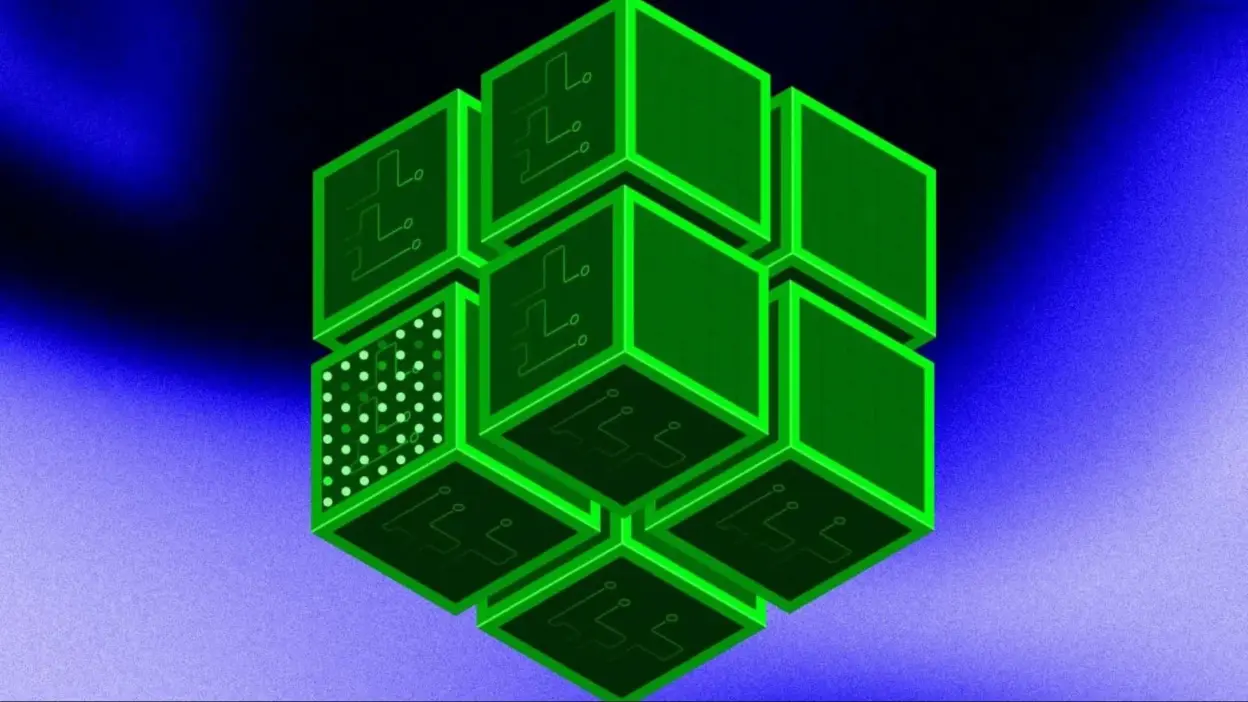
Modular blockchains break traditional monolithic designs into specialized layers, enabling industries to build custom, scalable, and efficient chains tailored to their unique needs
Not too long ago, blockchains were designed to be all-in-one systems that could store data, decide what to do, and carry out transactions. It was the first crypto system, but it quickly showed its flaws: transactions took a long time, fees were high, and businesses with specific needs didn’t have a lot of freedom.
There is a new method called modular blockchains that is changing the game right now. Blockchain design is broken up into different layers in modular systems, which lets businesses and developers make chains that do exactly what they need. Blockchains can now be used in fields like games, healthcare, finance, and supply lines because they are designed to meet the needs of those fields.
Once upon a time, unique chains would only help businesses. Now, they will also change the way they work. That’s what this article is all about: how modular blockchains work, why they’re important, and how they let blockchains be used in certain fields.
What Are Modular Blockchains?
A modular blockchain is a blockchain with different layers for the main tasks like execution, consensus, data availability, and settlement. Bitcoin and Ethereum used to have a single chain that did everything. But modular platforms don’t have that. Instead, various specific parts do various jobs.
- Execution Layer → Handles smart contracts and transaction logic.
- Consensus Layer → Ensures the network agrees on the order of transactions.
- Data Availability Layer → Guarantees that transaction data is accessible and verifiable.
- Settlement Layer → Acts as the final source of truth for security and dispute resolution.
On the other hand, all of these jobs are put into one chain in monolithic blockchains, which is not the same as this modular scheme. Most businesses find centralized systems easier to use, but they aren’t as good for businesses with specific needs because they are hard to scale, adapt, and customize.
Modular blockchains let developers and companies mix and match solutions to make blockchains that are best for speed, cost, and use case. This is possible because the layers are not connected to each other.
In the healthcare chain, privacy and following the rules might be the most important things. In the game chain, on the other hand, speed and low fees might be the most important things.
It’s easy to say that flexible blockchains are like LEGO blocks for Web3. They can be changed, adjusted, and expanded.
Why Industries Need Custom Chains
Not every business wants the same things from blockchain. For instance, a finance app might need the most security and compliance, while a supply chain tool might value being open and being able to connect to systems in other countries. This is why it’s so important to use flexible blockchain technology to make your own chains.
Scalability for High-Volume Use Cases
A huge number of small deals take place every second in games, social media, and IoT apps. A general-purpose chain can’t always handle this without getting too crowded or asking too much. A custom link lets a business send and receive things at the speed it needs.
Security and Compliance
Governments, banks, and health care providers must follow laws like GDPR and HIPAA and set security standards that can be checked. Unique privacy layers and legal ruling models can be added to custom blockchains to make them stand out.
Cost Optimization
Businesses can charge transaction fees, but some can’t. In this case, supply lines need a way to handle a lot of transactions cheaply, while DeFi might be able to pay more for liquidity. Prices can be changed to fit each use case with flexible blockchains.
Flexibility in Features
- A company that moves things might want to be able to use more than one blockchain in different countries. A company that makes games might need processing layers that are very fast and can handle NFTs. Businesses don’t have to use chains that fit all customers if they have unique chains.
User Experience (UX) Tailoring
Shopping and online shopping businesses need to be able to add new users quickly and easily, even if those users don’t know much about blockchain.
People who make their own chains can hide gas fees, add fiat channels, and give people an experience like at Web2.
Each business needs its own unique chains to make blockchain technology work for them in terms of speed, rules, and user experience. This can be done with modular blockchains because they don’t force businesses to use rigid single-chain systems. Instead, they let them use plug-and-play choices.
Benefits of Modular Blockchains
When blockchains go from being single to being modular, it changes how different kinds of businesses use independent technology. The jobs of consensus, data availability, execution, and settlement are split up in module-based designs so that they are not all done by the same chain. Several good things about this method:
Scalability Without Compromise
This is because modular blockchains split processing from consensus and data availability. This lets them handle more transactions at once. Gamers, social networks, and the Internet of Things (IoT) can get very high speed this way without slowing down the base chain.
Customizability for Every Industry
Every business has its own set of wants. For instance, the financial sector needs to be safe, the healthcare sector needs privacy, and the transportation sector needs to be able to work with other sectors. Builders can mix and match the parts of a flexible blockchain that work best for them.
Lower Costs and Efficiency
A Layer 1 VPN gives some apps more security than they need. Businesses can use their own chains that are thinner and less expensive, but they can still use the safety of well-known blockchains to process payments.
Interoperability Across Ecosystems
Communication across chains is made possible by flexible designs that make it easy to connect to other chains. For instance, it would be easy for a supply chain blockchain to join DeFi platforms for funding or insurance.
Faster Innovation and Experimentation
Builders don’t have to start from scratch or wait for changes to be made to the base chain. For modular blockchains, teams can add new modules, test out new features, and make upgrades without affecting everyone else.
With modular blockchains, businesses can build systems that are scalable, adaptable, and low-cost. Business owners don’t have to follow a single strict method when they build blockchains. They can do it their own way.
Use Cases of Modular Blockchains by Industry
Module-based blockchains are not just an idea; they are being used for many things right now. This type of architecture lets businesses make their own chains, which ensures that each place gets the features it needs. Here are some cool ways that this can be used in business:
Finance and Banking
Need: Strict rules, high security, and quick cash payments.
Use Case: The good thing about this is that banks and fintech companies can make their own chains that take care of legal compliance (KYC/AML) and let execution layers handle scaling. This makes it possible for deals to happen across countries without putting security at risk and for payments to go through faster.
Healthcare
Need: Doctors should be able to work together and have privacy. Data should also be shared safely.
Use Case: Flexible chains can be used by hospitals to safely store patient records. Another module limits access for insurance companies, labs, and other doctors without putting all the data at risk of being leaked. One module does this to protect privacy.
Supply Chain & Logistics
Need: To be open, able to track things, and quick.
Use Case: An example use case is a logistics company that wants to keep track of goods in real time and use a settlement layer to handle payments and funds. This keeps trade records around the world that can’t be changed and can be checked.
Gaming & Metaverse
Need: Fast speeds, the ability to own things, and small deals.
Use Case: Game designers can make fast, cheap gaming chains that are just right for their games. It is easy to trade NFTs, have markets in games, and work with DeFi for play-to-earn models on these chains. They also keep Ethereum and Solana from getting too crowded.
Energy & Sustainability:
Need: Clear tracking of carbon and energy markets that work on their own.
Modular blockchains can be used by states and energy companies to keep track of carbon credits, trades in green energy, and peer-to-peer power sharing. Scalability will be taken care of by specialized data layers.
With modular parts, each business can make a blockchain system that works only for them. This lets you try out new ideas, speed, and scale without being limited to a “one-size-fits-all” chain.
Challenges of Modular Blockchains
Different blockchains say they can be changed and expanded, but they have some issues:
Complexity of Design
Because execution, consensus, and data availability are all on different levels, the design is more difficult to understand. It might be harder to build and keep up with this than with centralized chains.
Interoperability Issues
Custom chains still need to be able to connect to the main blockchain. Technically, cross-chain contact is very hard to make work without any issues. If it’s not done right, it can leave security holes.
Security Trade-offs
There are more places to hit with each new layer. In the event that the payment or data access layer breaks, the whole chain could be in danger.
Developer and Tooling Maturity
Frameworks like Celestia and Cosmos SDK make it easy to build modular blockchains, but the environment is still pretty new. A lot of companies may wait to adopt until there are better tools and better ways to do things.
Regulatory Uncertainty
Blockchains will need to meet compliance standards in some fields, like banks and healthcare. When private data is at stake, getting around the rules of different countries can slow down growth.
With flexible blockchains, businesses and makers have more freedom, but they also have to be careful and follow new rules.
The Future of Modular Blockchains
Moving toward flexible blockchains isn’t just a step forward in technology; it’s also a big change in the way blockchains are made. Modules are expected to be a big part of the next wave of blockchain use because businesses need them more and more.
Mainstream Adoption Across Industries
Modular blockchains will let businesses make chains that work with the data they need, whether it’s for games, healthcare, banking, or transportation. This way, they won’t be limited by blockchains that can only handle certain types of data.
Enhanced Interoperability Standards
In the future, scientists and engineers are likely to work on cross-chain communication methods that make it simple for different chains to connect while keeping speed and safety.
Growth of Blockchain-as-a-Service (BaaS)
Cloud companies have made it easier to host servers. In the same way, soon businesses might be able to use ready-made flexible blockchain services to quickly set up chains that are unique to their field.
Integration with AI and IoT
As modular designs get better, they will probably become more compatible with IoT and AI-driven data. This will make it possible to handle data in real time and automate business processes.
Regulatory Alignment and Compliance Layers
Concerns about global rules could be eased by adding compliance-specific modules for healthcare and banks, which would make it easier for people to use.
To sum up, it looks like modular blockchains will be adapted, linked, and pushed by businesses in the future. This means that each area will be able to use the blockchain that works best for its problems.
Conclusion
Flexibility in blockchains is making companies change how they use blockchain. Modular blockchains are different from single-piece systems because they can be changed, expanded, and made to fit different needs.
This lets companies make bands that are perfect for their needs. Now, any business, from healthcare and banking to logistics and games, can use a blockchain that is made to help it with its problems.
Interoperability, security, and rules for regulations still need to be worked out, but flexible blockchains look like they will be very useful in the future. There are changes being made to how businesses will build, work together, and grow in a decentralized future. These changes also make blockchain scaling better.
In the coming years, customizable blockchains are likely to be the most important part of a world with many chains. In this world, custom chains will run real-world apps in many places. Block-level blockchain is the way of the future, and this makes it clear to businesses and coders.