
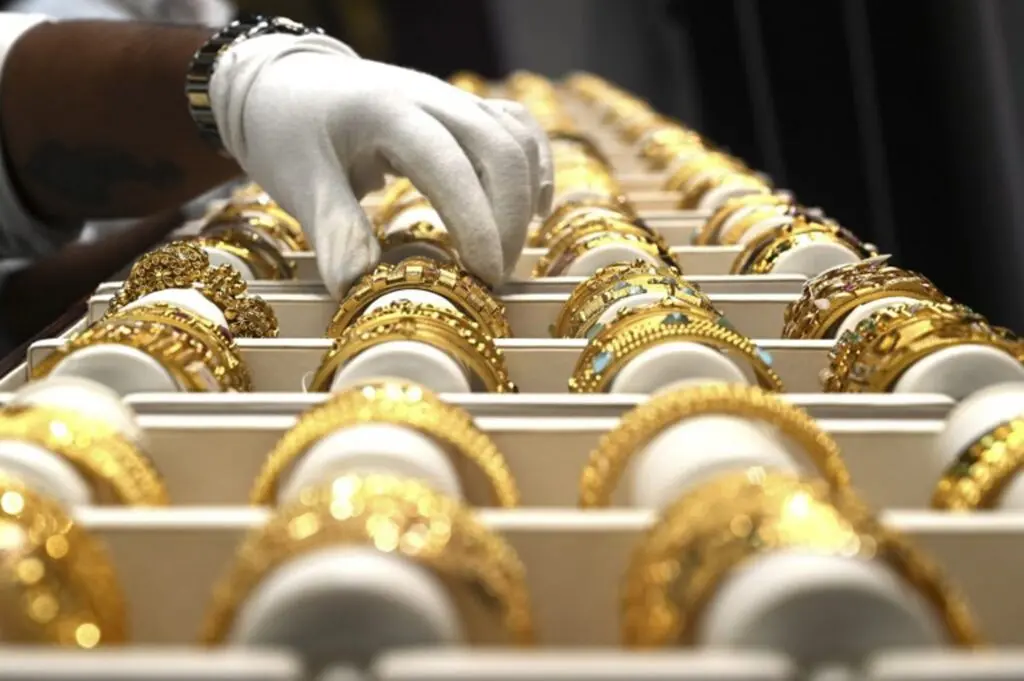
This is how lending pools for luxury goods turn tokenized watches and handbags into instant loan collateral, unlocking liquidity, yield, and trust in the evolving DeFi and fashion markets.
- 1 Introduction
- 2 What Are Lending Pools for Luxury Goods?
- 3 Why Lending Pools are Rising Now
- 4 How Tokenized Loans Work
- 5 Key Players and Platforms
- 6 Best Collateral Candidates
- 7 Risks and Challenges
- 8 Opportunities and Benefits
- 9 Case Example (Hypothetical)
- 10 Future Outlook
- 11 Conclusion
- 12 Frequently Asked Questions (FAQs)
Introduction
Lending pools for luxury goods are emerging as a new frontier in decentralized finance, where high-value items such as watches and handbags are tokenized and used as collateral for liquidity.
Instead of leaving a Rolex or Hermès bag idle in a safe, owners can convert these assets into tokens and access capital through blockchain-based lending platforms.
This approach not only unlocks liquidity but also expands participation in the luxury market without requiring full ownership.
In 2025, the relevance of tokenizing watches and handbags is amplified by three converging forces: a global luxury slowdown, heightened demand in the resale sector, and accelerating adoption of DeFi infrastructure. Lending pools for luxury goods provide a way to merge these trends by enabling verifiable authentication, fractional access to value, and flexible financial use cases.
For collectors and investors alike, the ability to tokenize luxury items offers both proof of authenticity and immediate liquidity.
The market context further underscores this shift. Luxury sales growth has cooled after years of expansion, but secondary resale markets for handbags and watches are expected to surpass $60 billion globally this year.
Younger buyers are driving this momentum, seeking authenticated goods with investment potential.
By aligning these consumer habits with decentralized lending models, lending pools for luxury goods are positioned as a bridge between traditional luxury ownership and modern digital finance.
What Are Lending Pools for Luxury Goods?
Lending pools for luxury goods are decentralized finance platforms where high-value physical assets such as watches, handbags, and jewelry are transformed into tokenized assets and used as collateral.
Instead of relying solely on fiat or crypto holdings, owners can leverage their luxury collections to access liquidity while retaining ownership rights.
This process allows tangible items to be integrated into digital finance systems, opening new opportunities for borrowing, lending, and investing.
At the heart of lending pools for luxury goods is the use of physically backed NFTs. These tokens are digital representations of real-world items, each tied to a verified asset such as a Patek Philippe watch or a Chanel handbag.
Unlike traditional NFTs that rely on digital scarcity, physically backed NFTs are linked to actual, authenticated goods stored securely in vaults.
This ensures that the digital token corresponds to a tangible luxury asset, making it suitable for financial transactions within DeFi ecosystems.
The lifecycle of these assets follows a structured process. First, the luxury item is authenticated by a trusted verifier to confirm originality and condition. Once verified, it is transferred into a secure vault, ensuring safety and preserving value.
The item is then tokenized, with a unique NFT minted to represent ownership. This NFT can be deposited into lending pools for luxury goods, where it acts as collateral for borrowing stablecoins or other digital assets.
On the other side, lenders contribute liquidity to earn yields, creating a marketplace where borrowers unlock value and lenders benefit from returns.
As luxury resale markets continue to expand, lending pools for luxury goods offer a bridge between physical ownership and digital finance.
They provide authentication, liquidity, and investment-grade security while aligning with the growing demand for asset-backed financial products.
By combining the trust of physical verification with the efficiency of blockchain, these pools turn handbags and watches into functional financial instruments.
Why Lending Pools are Rising Now
The rise of lending pools for luxury goods in 2025 is fueled by a combination of shifting market conditions, technological progress, and evolving regulation.
The luxury sector has faced a slowdown in sales this year, with growth rates flattening across Europe and Asia as consumer spending tightens.
At the same time, resale demand for watches and handbags continues to surge, creating a need for liquidity solutions that can transform idle collections into active financial assets.
This is where lending pools for luxury goods step in, offering a pathway to unlock value without requiring the outright sale of items.
Another driver is the broader expansion of tokenization and real-world asset finance. The market value of tokenized assets has passed $10 billion globally and is projected to multiply over the next two years.
By extending this trend to high-end fashion and timepieces, lending pools for luxury goods allow investors and collectors to engage with these assets as liquid instruments.
The model not only democratizes access to luxury but also introduces a new layer of functionality by enabling borrowing and lending around authenticated, tokenized items.
Regulatory clarity is also playing a central role. The European Union’s Markets in Crypto-Assets (MiCA) framework, which came into effect this year, provides legal guidelines for asset-backed tokens, ensuring consumer protections and standardized practices.
The UK and US are also advancing regulatory proposals that address custody, tokenization, and lending standards.
This evolving legal environment strengthens confidence in lending pools for luxury goods, reducing risks for both borrowers and lenders who interact with these financial products.
Finally, blockchain authentication has reached new levels of adoption, making the infrastructure for tokenization more reliable.
The Aura Blockchain Consortium, backed by major luxury houses, has advanced digital certificates for handbags, watches, and jewelry, while upcoming digital product passport requirements in Europe are set to make authentication a standard practice.
These innovations provide the foundation for lending pools for luxury goods by ensuring that every tokenized item is traceable, verifiable, and protected against fraud.
Together, these drivers explain why 2025 is the breakthrough year for the fusion of luxury and DeFi.
How Tokenized Loans Work
The mechanics of lending pools for luxury goods follow a structured process that blends authentication, blockchain tokenization, and decentralized finance. Each step ensures the physical asset is properly secured while enabling its use as collateral.
- Submission
A borrower brings a high-value watch or handbag to a participating platform. Popular items include Rolex, Patek Philippe, Hermès, or Chanel pieces, which have strong resale demand. - Authentication and Vaulting
The item undergoes rigorous verification to confirm authenticity, condition, and provenance. Once authenticated, it is stored in a secure vault to protect value and ensure custody. - Token Minting
A unique token, often in the form of a physically backed NFT, is minted to digitally represent ownership of the item. This token is directly tied to the vaulted asset. - Collateralization in Lending Pools
The NFT is deposited into lending pools for luxury goods, where it becomes usable as collateral. Borrowers can then access liquidity without selling their luxury item. - Loan Issuance and Repayment
Lenders provide capital, often in stablecoins, while some platforms explore fiat integration. Borrowers repay loans with interest, and upon full repayment, the NFT is returned, and the vaulted item can be redeemed. Failure to repay may result in liquidation, where the luxury item is sold in secondary markets.
This process makes luxury items functionally equivalent to financial instruments, expanding their utility while maintaining secure ownership pathways. Lending pools for luxury goods effectively merge physical collectibles with the lending mechanics of DeFi.
Key Players and Platforms
The ecosystem of lending pools for luxury goods is supported by both blockchain-native innovators and established resale platforms. Several players are shaping this market:
- 4K
A platform specializing in vaulting and tokenizing collectibles, including watches, handbags, and trading cards. Its infrastructure ensures items are securely stored and accurately represented on-chain.
- Arcade
An NFT lending marketplace that supports physically backed assets. It enables borrowers to collateralize high-value NFTs, including those tied to luxury goods, in return for liquidity. - Courtyard.io
An emerging platform focused on real-world assets that are vaulted and tokenized for DeFi lending. Courtyard.io bridges collectibles and finance by offering liquidity solutions for physical assets.
- Traditional Resale Marketplaces
Established players like The RealReal and Chrono24 function as liquidity backstops. In cases of loan default, vaulted items may be liquidated through these resale channels, ensuring market demand supports lending pools for luxury goods.
Together, these platforms demonstrate how digital finance infrastructure is converging with traditional resale markets. By integrating vaulting, tokenization, and secondary market support, lending pools for luxury goods are positioned to scale into a mainstream financial service for collectors and investors alike.
Best Collateral Candidates
Not every luxury item is equally suited for tokenization and lending. The most effective collateral in lending pools for luxury goods is those with deep resale markets, transparent price histories, and consistent demand.
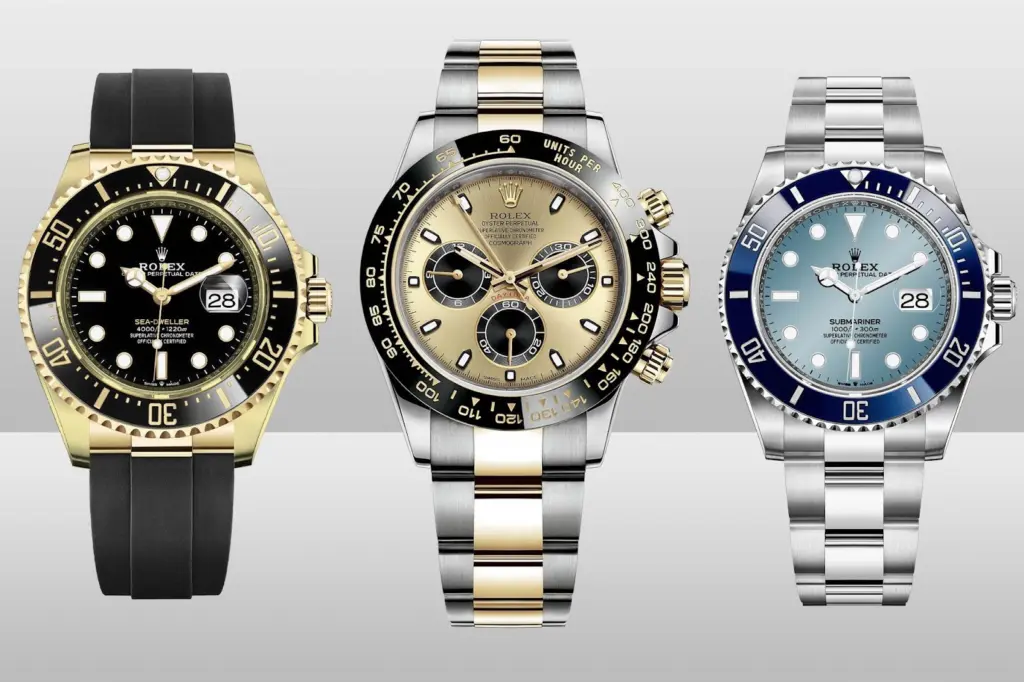
Watches remain the strongest category. Models from Rolex, Patek Philippe, and Audemars Piguet are highly liquid, with decades of recorded auction sales and steady appreciation in value.
Rolex Submariners and Daytona models, for instance, have shown annual resale price growth exceeding 8 percent over the past five years, making them reliable assets for collateralization. Patek Philippe complications and Audemars Piguet Royal Oaks also benefit from global collector demand, ensuring quick liquidity if defaults occur.
Handbags are another category well-suited for lending pools for luxury goods. The Hermès Birkin and Kelly lines have a reputation as investment-grade pieces, often appreciating over time due to limited production and strong waiting lists.
Chanel Classic Flaps and select Louis Vuitton limited editions also maintain stable resale demand. These items combine scarcity with prestige, allowing them to serve as dependable collateral.
Beyond brand names, three key factors determine suitability: provenance, condition, and documentation.
A watch with its original papers or a handbag with its purchase receipt and intact packaging can command higher valuations and instill confidence for both lenders and platforms. Lending pools for luxury goods, therefore, prioritize authenticated items with verifiable history, ensuring both liquidity and trust in the system.
Risks and Challenges
While lending pools for luxury goods open new financial pathways, they also carry risks that must be addressed for the model to scale sustainably.
Authentication Errors and Counterfeits pose one of the most pressing challenges. Counterfeit handbags and watches circulate widely in global markets, and even small authentication mistakes can undermine trust. Platforms rely on advanced verification methods, but the risk remains significant.
Valuation Volatility is another concern. Luxury markets are cyclical and can be influenced by tariffs, macroeconomic conditions, or changing consumer preferences.
A sudden drop in resale demand for a particular watch or handbag line could affect the stability of lending pools for luxury goods. This volatility means collateral values must be reassessed regularly to prevent under-collateralized loans.
Compliance Requirements add another layer of complexity. Anti-money laundering (AML) and know-your-customer (KYC) standards are becoming stricter as regulators examine tokenization. Lending pools for luxury goods must integrate these processes to ensure legal compliance and consumer protection, which can increase operational costs.
Liquidity Risks also exist. In the event of loan defaults, liquidation depends on resale markets. While top-tier brands like Hermès and Rolex remain relatively liquid, niche or seasonal items may struggle to attract buyers quickly, limiting recovery rates. Platforms must design risk buffers and conservative loan-to-value ratios to mitigate these outcomes.

By balancing strong collateral standards with robust compliance and market safeguards, lending pools for luxury goods can manage these risks while building trust with both borrowers and lenders.
Opportunities and Benefits
Lending pools for luxury goods provide advantages that extend beyond traditional resale or consignment models.
The most immediate benefit is faster access to liquidity. Instead of waiting weeks or months for a consignment sale, owners can deposit a tokenized watch or handbag into a lending pool and unlock value within hours.
This speed appeals to collectors, investors, and professionals who need short-term financing without parting with their luxury assets.
For lenders, these platforms create new yield opportunities. By supplying stablecoins or fiat into lending pools for luxury goods, lenders can earn competitive returns while being backed by collateral that holds intrinsic market value.
Unlike unsecured lending, these loans are anchored by authenticated, vaulted items, lowering exposure to default risks.
Another advantage is transparency and trust via blockchain. Every transaction, from authentication to tokenization, is recorded on-chain, ensuring traceability.
Borrowers and lenders gain visibility into collateral conditions, ownership records, and loan terms. This level of transparency differentiates lending pools for luxury goods from traditional pawn or consignment practices, where opacity often creates mistrust.
Finally, there is a sustainability dimension. By extending the lifecycle of watches and handbags, tokenization encourages reuse rather than overproduction.
Owners are incentivized to maintain items in pristine condition, while buyers in secondary markets gain access to verified products. Lending pools for luxury goods align with the growing consumer demand for circular luxury and environmentally responsible consumption.
Case Example (Hypothetical)
To illustrate the mechanics, consider a Rolex Submariner valued at $12,000. The owner deposits the watch into a vault, where it is authenticated and tokenized.
The NFT representing the watch is placed in lending pools for luxury goods and collateralized at a 60 percent loan-to-value ratio, generating a $7,200 loan in stablecoins.
After 90 days, the borrower repays the loan with interest and reclaims the Rolex. This process demonstrates how collectors can unlock liquidity without selling a prized asset.
Now consider a Hermès Birkin bag worth $20,000. Due to market volatility and longer resale times for handbags, the platform may apply a more conservative loan-to-value ratio, such as 40 percent.
The borrower secures an $8,000 loan, again backed by tokenized collateral. The difference in risk parameters shows how lending pools for luxury goods adjust terms based on asset class, liquidity depth, and market stability.
These hypothetical cases highlight how structured lending frameworks allow different luxury assets to participate in decentralized finance.
By tailoring loan ratios and repayment conditions, lending pools for luxury goods create flexible models that balance borrower access with lender security.
Future Outlook
The next phase for lending pools for luxury goods will be shaped by innovation in digital authentication and broader financial adoption.
One of the most significant developments is the integration of digital product passports across fashion and luxury.
By 2027, regulations in Europe will require product-level tracking for categories like handbags and watches, making authenticity verification seamless.
This infrastructure will feed directly into lending pools for luxury goods by reducing counterfeit risk and improving trust.
Institutional interest in real-world asset lending is also expanding. Asset managers and funds are beginning to explore collateral pools beyond real estate and commodities.
As tokenized finance grows, lending pools for luxury goods could attract institutional liquidity, especially given the stability of resale markets for brands like Rolex and Hermès. This evolution positions luxury assets as part of a larger portfolio strategy rather than isolated collector items.
The scope of eligible assets is likely to expand as well. While watches and handbags dominate today, jewelry, sneakers, and even fine art are natural extensions.
Platforms are already testing tokenization models for high-demand sneakers, and jewelry has a long history of collateralization.
By building on the same vaulting and authentication frameworks, lending pools for luxury goods will broaden their market reach and appeal to younger demographics who treat collectibles as investment-grade assets.
Conclusion
Lending pools for luxury goods represent a pivotal innovation at the crossroads of decentralized finance and the luxury resale economy.
By tokenizing physical assets like watches and handbags, these platforms deliver liquidity, transparency, and new utility for collectors and investors. In an era where authentication and market trust define value, tokenization provides a secure and scalable solution.
The winners in this space will be those who successfully balance authentication standards, regulatory compliance, and user confidence.
Strong vaulting infrastructure, transparent valuation, and adherence to AML and KYC rules will define the platforms that gain mainstream adoption.
As luxury markets evolve, the intersection of DeFi, fashion, and resale will become a space to watch closely. Lending pools for luxury goods not only transform ownership into financial leverage but also reshape how value is unlocked in the global luxury ecosystem.
Frequently Asked Questions (FAQs)
What are lending pools for luxury goods?
They are decentralized finance platforms where tokenized luxury items like watches and handbags are used as collateral to borrow or lend capital.
How do tokenized watches and handbags work?
A physical item is authenticated, vaulted, and represented by a digital token, which is then used in lending pools for luxury goods as collateral.
What luxury items make the best collateral?
High-demand watches like Rolex and Patek Philippe and handbags such as Hermès Birkin or Chanel Classic Flap due to liquidity and stable resale values.
What happens if a borrower defaults?
The collateralized item is liquidated through resale markets, and lenders recover funds from the sale proceeds.
Is this legal under current regulations?
Yes, in jurisdictions with clear rules on tokenization and lending, such as under MiCA in the EU, with AML and KYC requirements applied.