
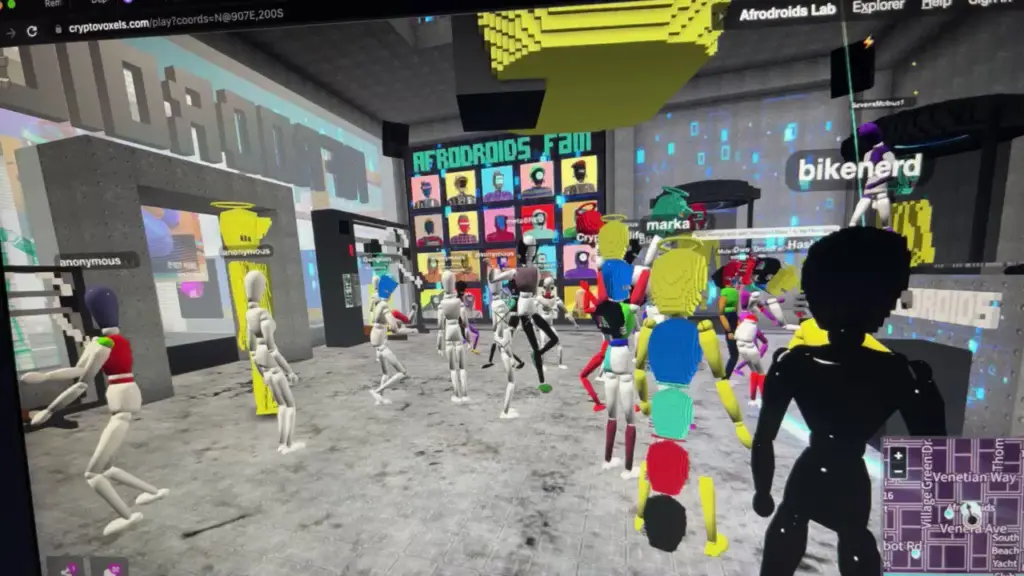
AfroDroids leads the charge on how Nigerian NFTs are shaping global trends, driving Afrofuturism, diversity, and innovation in the global NFT market
Introduction
In today’s digital renaissance, Nigerian NFTs are seizing global attention—and for good reason. How Nigerian NFTs are shaping global trends is the story of a seismic cultural shift.
Across continents, collectors, curators, and crypto‑enthusiasts are tuning in to the innovative wave from Nigeria—and not merely for novelty, but because these digital creations are redefining global art, identity, and futurism.
Leading this movement is AfroDroids, the flagship case of Nigerian NFTs. Created by Owo Anietie and launched on September 1, 2021, this Afro‑futurist NFT collection of over 12,117 unique profile‑picture generatives has captured attention beyond Africa.
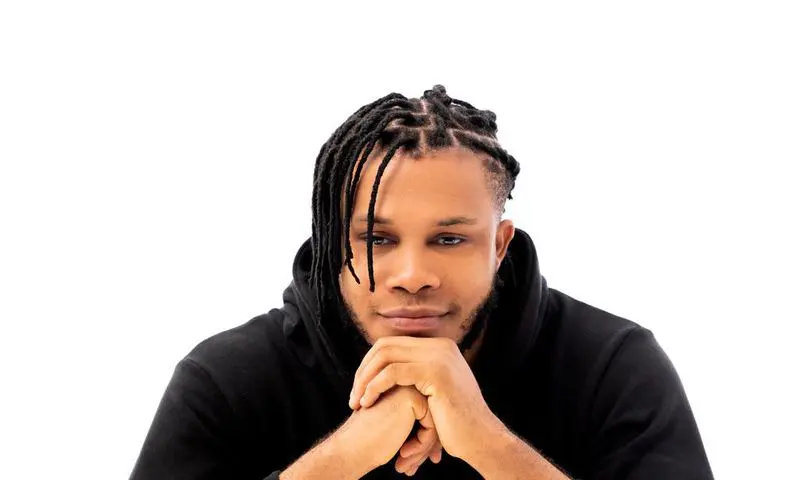
With representation in top galleries worldwide and community‑driven philanthropy, AfroDroids exemplifies how Nigerian NFTs are shaping global trends.
This is the intersection of Afrofuturism + NFTs forging a broader cultural trend‑setting. Through AfroDroids and other emergent Nigerian NFT initiatives like projects by Osinachi and Zina Saro‑Wiwa, creators are asserting narratives that blend ancestral aesthetics, futuristic technology, and sociohistorical commentary.
In exploring how Nigerian NFTs are shaping global trends, we see how Afrofuturism provides conceptual backbone while NFTs offer the vehicle. This potent combination empowers artists to reach international collectors, earn royalties via smart contracts, and tell stories of African identity in futuristic landscapes.
Meanwhile, NFT marketplaces and events like ART X Lagos and Christie’s exhibitions have elevated Nigeria’s crypto art to mainstream global recognition
What Is Afrofuturism?
Afrofuturism is a cultural aesthetic, philosophy of science, and philosophy of history that explores the intersection of African diaspora culture with technology and speculative fiction.
Coined by Mark Dery in 1993, it gained further development through scholars like Alondra Nelson and cultural critics such as Ytasha Womack, who described it as “an intersection of imagination, technology, the future and liberation”

At its core, Afrofuturism addresses themes of Black futures, diasporic identity, and technoculture, weaving narratives through science fiction, fantasy, alternate histories, and magic realism.
It encompasses creative works from writers like Octavia Butler, and musicians such as Sun Ra, Parliament‑Funkadelic, and Janelle Monáe, all envisioning alternate realities for Black people through art and technology
What Is Africanfuturism—and How Is It Different?
Africanfuturism, a term coined by Nigerian-American author Nnedi Okorafor in 2019, defines a distinct subgenre rooted explicitly on the African continent. Okorafor clarified that Africanfuturism is:
- Centered in African culture, history, spirituality, and point of view
- Written by people of African descent
- Distinct from the diaspora-focused Afrofuturism
- Optimistic and futuristic yet grounded in local realities
Unlike Afrofuturism’s emphasis on Afro‑American diaspora experiences, Africanfuturism situates its speculative worlds directly within African contexts—Mythic landscapes, environmental challenges, and technological innovation imagined through indigenous philosophies and myths.
Core Themes Across Both Aesthetic Traditions
- Black Futures & Diaspora Narratives—both traditions seek to reimagine futures free from systemic oppression, anchored in Black identity and resilience.
- Technological Imaginaries—They place technology at the center—not as Western import but as a tool for liberation, transformation, and cultural expression.
- Speculative Storytelling—Use of science fiction, fantasy, alternate histories, and magical realism to explore identity, memory, and futurity.
While Afrofuturism historically emerged to give voice to the Afro‑American experience, Africanfuturism provides a complementary, continental perspective that uplifts local narratives and mythologies.
How This Aesthetic Pre‑dates and Now Informs NFT Culture
Afrofuturism and Africanfuturism have long inspired artists, musicians, and writers to visualize futuristic worlds informed by Black cultural heritage. The legacy—from Sun Ra’s cosmic jazz performances to Octavia Butler’s speculative novels—creates a conceptual foundation for the digital and virtual in contemporary art
Today, NFT culture provides the perfect technological canvas for these themes to flourish. Digital platforms allow African and diaspora artists to create, distribute, and monetize Afrofuturist artworks globally—beyond traditional galleries or publishers.
This shift has enabled new generations of creators to merge ancestral aesthetics with blockchain innovation, amplifying visibility and reshaping narratives.
By providing provenance, royalties, and direct connection with global audiences, NFTs empower Afrofuturist and Africanfuturist creators to control their visual economies.
As these movements blend technology, mythology, and identity, they now shape a new digital artistic era—one deeply rooted in Black futures and tech‑driven emancipation.
AfroDroids: A Nigerian NFT Pioneer
AfroDroids is widely recognized as one of Nigeria’s defining NFT projects, blending Afrofuturist vision with real-world impact.
Created by Nigerian artist Owo Anietie, the collection launched on September 1, 2021 and quickly became a cultural touchstone in the global NFT community.
Known for his daily digital art practice and futuristic style, Owo channeled his distinctive Afrofuturist perspective into a collection that merged ancestral aesthetics with speculative technology.
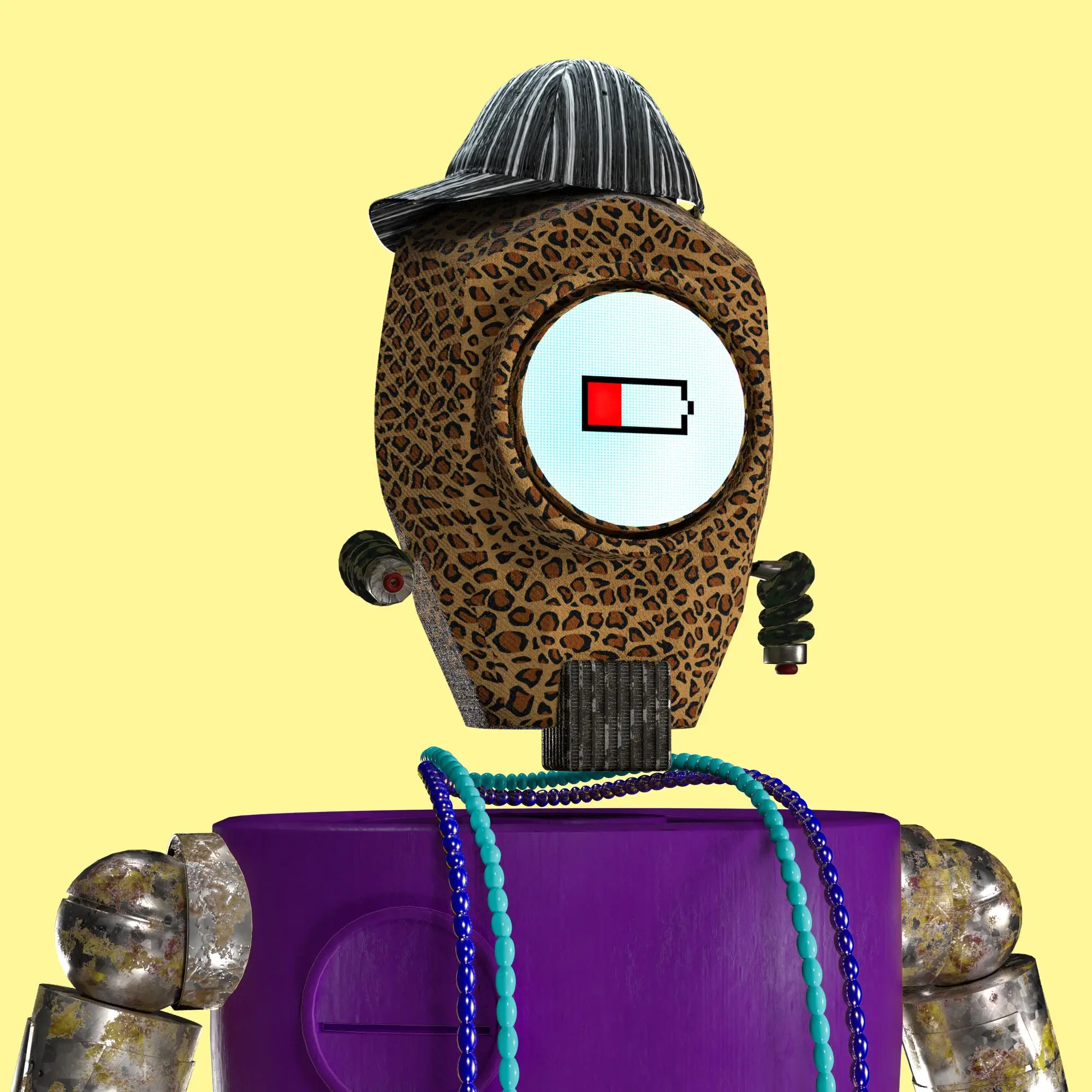
The project featured 12,117 generative AfroDroids NFTs, each meticulously designed with African cultural elements ranging from tribal markings and beadwork to traditional headgear and Nsibidi symbols.

Set in the year 3045, AfroDroids imagines a post-human future where African-rooted droids carry the consciousness and spirit of their creators, offering a narrative that reclaims and projects African identity into far-future worlds.
This storytelling dimension made AfroDroids more than a simple NFT drop; it became a visual and conceptual manifesto that showcased how How Nigerian NFTs Are Shaping Global Trends through culturally grounded futurism.
The launch itself was historic, with the entire collection selling out in approximately 11 minutes, a feat that signaled both intense demand and the rising influence of Nigerian crypto art on a global stage.
Beyond the hype of its swift sell-out, AfroDroids also anchored itself in philanthropy and community building. From the outset, 20% of its proceeds were pledged to Dream Catchers Academy for Girls, a Lagos-based nonprofit dedicated to providing education, arts, and leadership training to disadvantaged girls.

This charitable structure was embedded into the blockchain mechanics of the project, with perpetual resale royalties ensuring that each secondary sale would continue funding the cause, thereby transforming art transactions into sustained social contributions.
The community ethos surrounding AfroDroids further distinguished it from many NFT projects of its time. Through initiatives like “12 Days of AfroDroids” giveaways, interactive storytelling, and exclusive holder events, the project cultivated an engaged, global audience of over 3,600 unique collectors.
Its combination of visionary Afrofuturist art, philanthropic design, and robust community interaction turned AfroDroids into both a pioneering case study and a cultural phenomenon, demonstrating precisely How Nigerian NFTs Are Shaping Global Trends by fusing technology, heritage, and social impact.
How Nigerian NFTs Influence Global Trends
Cultural Storytelling Meets Tokenomics
AfroDroids reimagines digital avatars not as generic collectibles, but as richly layered cultural statements rooted in African heritage motifs.
Each avatar is adorned with authentic visual markers—beads inspired by Nigerian tribes, tribal fabrics, hairstyle patterns, and Chieftaincy caps—overlaid with sleek sci‑fi aesthetics that anchor them in a futuristic narrative.
Uniquely built entirely in Nigeria—from ideation through design, coding, and community —AfroDroids defies the common narrative that global Web3 innovation must originate outside Africa.
This authenticity resonates internationally, reinforcing How Nigerian NFTs Are Shaping Global Trends by offering an avatar aesthetic grounded in African identity rather than borrowing Western tropes.
Rather than merely incentivizing holders with speculative gain, AfroDroids embeds real-world utility through its philanthropic framework.
From the beginning, 20 % of mint proceeds were earmarked for Dream Catchers Academy for Girls in Lagos—a nonprofit offering arts-based education, shelter, and life skills to disadvantaged girls.
This charitable contribution is written directly into the project’s smart contract, and resale royalties continue funneling support with every secondary sale.
In doing so, AfroDroids transforms charitable giving into on-chain utility—a model now inspiring broader conversations about what NFTs can deliver beyond visual appeal
Representation & Identity in Web3
In a digital landscape dominated by apes, pixel punks, and abstract avatars, AfroDroids fills a glaring void by offering African creators and collectors avatars that reflect their physical and cultural identities.
It creates space for digital identity rooted in the African diaspora, addressing a critical diversity gap in mainstream NFT culture.
This representation goes beyond aesthetics—it empowers communities to see themselves as part of global Web3 narratives, shaping how Nigerian NFTs are shaping global trends in identity, inclusion, and cultural self-expression
Inspiration for Broader African Art & Multiverse Projects
AfroDroids catalyzed a wave of enthusiasm across the Nigerian art scene, inspiring other creators like Osinachi to enter high-profile sales at Christie’s and Sotheby’s.
Its influence has spilled over into complementary platforms: 1CAC (First Continent Art Collective), fractionalized ownership of creative infrastructure, metaverse land, comics, animations, and more.
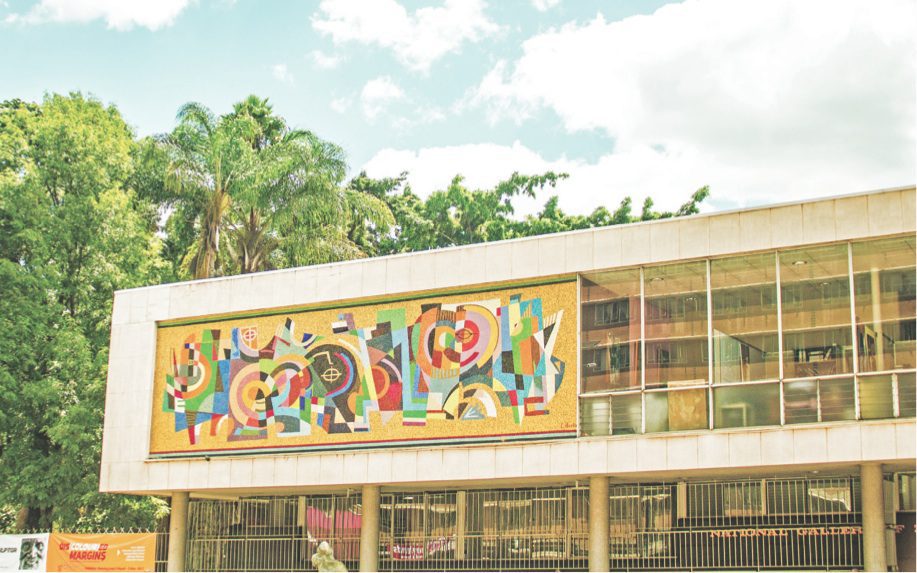
Many upcoming African metaverse-themed projects now cite AfroDroids as their conceptual and operational blueprint—bridging African storytelling and blockchain innovation in ways that echo across the continent’s creative economy
Current & Emerging Developments (as of 2025)
By 2025, AfroDroids has become a growing Web3 ecosystem. The project now offers metaverse-ready 3D models and AR avatars, enabling holders to bring their Afrodroids into virtual worlds and immersive environments.
Where once only static PFPs existed, today holders can animate, customize, and embody their avatars in real-time experiences across metaverse platforms
Collaborations have expanded significantly: African musicians and fashion labels partner with AfroDroids to create exclusive multimedia releases, runway shows, and digital drops.
The project’s narrative universe is currently being adapted into AfroDroids Chronicles, an animated series that expands the lore introduced at mint and into new storytelling formats.
Meanwhile, early roadmap stages have evolved into community-driven initiatives: from active Discord programming and merchandise lines to creative contests that fund youth art education across Africa.
Challenges & Considerations
Racial and Valuation Bias in NFT Pricing
Research has revealed a troubling pattern in NFT markets: darker-skinned NFTs often sell at lower prices compared to lighter-skinned counterparts, even when rarity and attributes are identical.
A study on CryptoPunks highlighted how entrenched societal biases can influence buyer behavior and pricing in digital spaces (arxiv.org). For Nigerian projects like AfroDroids, which proudly incorporate African aesthetics and darker-toned avatars, such biases pose a risk of undervaluation despite their cultural significance.
This underscores the broader need to challenge and reframe perceptions of value within NFT ecosystems globally.
Regulatory and Infrastructure Hurdles in Nigeria
Nigeria’s crypto sector operates in a fragmented regulatory environment that complicates NFT innovation. Despite the Securities and Exchange Commission’s (SEC) attempt to formalize digital asset rules, the Central Bank’s 2017 banking restrictions still limit fiat-to-crypto integration.
The 2024 telecom-level ban on Binance and other exchanges further exemplifies institutional tension, reportedly wiping out ₦20 trillion in potential crypto transaction value.
On top of this, infrastructural weaknesses—such as unreliable internet and frequent power outages—add friction for creators and collectors, curbing participation and growth in the NFT space.
Sustainability of Hype vs. Cultural Infrastructure
The Nigerian NFT boom, while impressive, faces a critical challenge: can it transition from short-lived hype to enduring cultural infrastructure? Projects like AfroDroids offer a blueprint, blending philanthropy, storytelling, and community engagement to build lasting value.
However, sustaining this momentum requires more than individual successes—it demands broader investment in blockchain literacy, secondary markets, creator support programs, and institutional partnerships.
Without these, there’s a risk of Nigerian NFTs being seen as fleeting trends rather than foundational components of global digital culture.
Conclusion
AfroDroids offers a compelling case study in How Nigerian NFTs Are Shaping Global Trends. From its lightning-fast sell-out and culturally rich storytelling to its blockchain-embedded philanthropy and metaverse evolution, the project demonstrates that NFTs can transcend speculation to become vessels of identity, heritage, and tangible impact.
It reframes what digital art and ownership can mean—not just as visual assets but as dynamic tools for rewriting narratives and redistributing value in the Web3 era.
The Nigerian NFT wave is far more than an artistic experiment; it represents a cultural revisionism powered by blockchain.
Through Afrofuturism and Africanfuturism, Nigerian creators are reclaiming historical erasures and projecting visions of African identity into digital futures. This isn’t just about pixels and tokens—it’s about embedding African stories, aesthetics, and values into the very infrastructure of Web3.
The philanthropic backbone of projects like AfroDroids further proves that NFTs can channel value into real-world community uplift, positioning Nigerian creators at the forefront of purpose-driven crypto innovation.
As this movement grows, it is reshaping how the world views both NFTs and African digital creativity. The fusion of cultural authenticity, technological innovation, and community-building signals a future where NFTs are not just speculative assets but cultural instruments—vehicles that push global trends in radically new directions.
When NFTs are grounded in identity and purpose, they don’t merely follow global currents; they create them. And in that transformation, Nigeria stands not as a peripheral player, but as a pioneering force redefining the cultural and technological horizons of Web3.