
Rising Decentralized Autonomous Chatbots (DACs) are a novel mix of blockchain technology and artificial intelligence, transforming user interactions, security, and automation in a distributed environment
Decentralized Autonomous Chatbots (DACs) are free from centralized control, and AI-powered bots operate freely on blockchain networks. DACs use smart contracts and distributed storage instead of conventional chatbots, which depend on corporate servers and proprietary data, guaranteeing openness, immutability, and improved security.
From consumer service and banking to healthcare and beyond, this essay will examine how this paradigm change has enormous ramifications for many sectors.
The Evolution of AI-Powered Chatbots
Artificial intelligence has long been at the forefront of automating human interactions.
From virtual assistants like Siri and Alexa to advanced conversational models such as ChatGPT and Google Bard, AI-powered chatbots have significantly transformed how businesses and individuals communicate.
However, despite their advancements, these centralized AI chatbots come with major limitations. This is where Decentralized Autonomous Chatbots (DACs) enter the scene, offering a blockchain-powered alternative that addresses the shortcomings of traditional AI models.
Traditional AI Chatbots: A Centralized Approach
Before blockchain technology, AI chatbots operated on centralized servers controlled by tech giants.
Platforms like OpenAI’s ChatGPT and Google Bard process vast amounts of user data to generate responses, improving their conversational abilities through machine learning algorithms.
These chatbots have revolutionized industries such as customer service, e-commerce, and healthcare by enabling automated interactions. However, their reliance on centralized infrastructure creates critical issues.
The Problem with Centralized AI
Despite their capabilities, traditional AI chatbots face several challenges due to their centralized nature:
- Data Privacy Concerns: Centralized AI chatbots collect and store user data on corporate-controlled servers.
This raises significant privacy risks, as companies often use this data for targeted advertising or sell it to third parties.
Data breaches and leaks further compromise sensitive information, leaving users vulnerable to cyber threats.
- Bias and Censorship: AI models are trained on datasets curated by organizations, leading to inherent biases.
These biases can manifest in chatbot responses, influencing narratives and potentially suppressing diverse viewpoints.
Moreover, centralized AI chatbots can be censored or restricted by their parent companies, limiting free expression and access to information.
- Single-Point Failures: Since traditional chatbots rely on centralized servers, they are susceptible to outages, cyberattacks, or regulatory shutdowns.
If a company decides to discontinue a chatbot or if a server failure occurs, users lose access, disrupting services and business operations.
- Monetization Challenges for Users: While companies profit from AI-powered chatbots through subscriptions, data monetization, or enterprise licensing, end-users rarely benefit financially.
The current model primarily rewards corporations, leaving users without control over their data or a share in the profits generated from chatbot interactions.
The Shift to Decentralization: How Blockchain Solves These Problems
Decentralized Autonomous Chatbots (DACs) offer a solution to the problems posed by centralized AI models.
By leveraging blockchain technology, DACs operate autonomously on decentralized networks, eliminating corporate control and ensuring greater transparency, security, and efficiency.
- Enhanced Privacy: Instead of relying on centralized data storage, DACs use decentralized storage solutions like IPFS, ensuring that user data remains secure and private.
- Elimination of Bias & Censorship: Since no single entity controls a DAC, it cannot be easily manipulated or censored, promoting unbiased and open conversations.
- Increased Resilience: Operating on blockchain networks makes DACs resistant to single-point failures, ensuring continuous operation even if some nodes go offline.
- Fair Monetization: Users interacting with DACs can receive tokenized rewards, fostering a more equitable AI ecosystem.
Understanding Decentralized Autonomous Chatbots (DACs)
Key Characteristics of DACs
Autonomous Operation
DACs function without a central authority. Instead of being managed by a company or organization, they run on decentralized networks, ensuring no single entity can alter their behavior or shut them down.
Smart Contracts
The behavior of DACs is governed by smart contracts—self-executing agreements stored on the blockchain. These contracts define chatbot responses, data processing rules, and incentive mechanisms, ensuring predefined and tamper-proof operations.
Tokenized Incentives
To encourage participation, DACs use tokenized rewards. Users who engage with the chatbot, contribute to training data, or improve its algorithms can earn cryptocurrency tokens. Developers and validators also receive incentives for maintaining and securing the network.
Immutable and Transparent
Since all interactions and updates are recorded on the blockchain, DACs provide full transparency. Users can verify chatbot responses and ensure they are free from manipulation or censorship.
Once deployed, a DAC’s code and decision-making process remain immutable unless updated through decentralized governance.
How Decentralized Autonomous Chatbots (DACs) Work
The seamless functioning of DACs relies on a combination of AI models, blockchain frameworks, and decentralized governance mechanisms.
AI Engine
At their core, DACs utilize advanced language models such as GPT-4, Claude, or open-source large language models (LLMs).
These AI engines process user queries, generate responses, and continuously improve based on decentralized contributions.
Blockchain Framework
The infrastructure of a DAC is built on blockchain networks like Ethereum, Solana, or Polkadot. These platforms enable secure data storage, transaction validation, and execution of smart contracts, ensuring the chatbot operates reliably without centralized interference.
Governance Mechanisms
DACs are governed through Decentralized Autonomous Organizations (DAOs) or smart contract-based governance systems.
Token holders can vote on updates, new features, or ethical guidelines, ensuring the chatbot evolves based on community consensus rather than corporate decisions.
The Technology Behind DACs
The foundation of Decentralized Autonomous Chatbots (DACs) lies in the integration of blockchain networks, decentralized data storage, and tokenized governance.
Unlike traditional chatbots that rely on centralized servers and corporate-controlled AI models, DACs operate in a fully decentralized manner, ensuring security, transparency, and user empowerment.
By leveraging blockchain technology and decentralized storage solutions, these AI-powered chatbots eliminate the risks associated with single-point failures, censorship, and data privacy breaches.
Blockchain Networks Powering DACs
DACs rely on blockchain networks to execute smart contracts, manage transactions, and ensure seamless decentralized operation. Some of the leading blockchain platforms supporting DAC development include:
- Ethereum: As the most widely adopted smart contract platform, Ethereum provides a robust ecosystem for DACs, enabling decentralized governance, tokenomics, and automated chatbot interactions through Ethereum Virtual Machine (EVM)-compatible contracts.
- Solana: Known for its high-speed transactions and low fees, Solana is ideal for DACs requiring real-time responses and efficient blockchain operations.
- Polkadot: This multi-chain network allows DACs to interact across different blockchains, enhancing interoperability and scalability.
- Near Protocol: With its user-friendly development environment and cost-efficient smart contracts, Near Protocol is another promising blockchain for DAC deployment.
By leveraging these blockchain platforms, Decentralized Autonomous Chatbots (DACs) ensure reliable and censorship-resistant communication while reducing operational costs compared to traditional AI models.
Decentralized Data Storage
Since DACs operate without centralized servers, they require decentralized storage solutions to securely manage chatbot interactions, user data, and AI model updates. The most widely used decentralized storage systems include:
- IPFS (InterPlanetary File System): A peer-to-peer protocol that distributes data across multiple nodes, preventing single-point failures and ensuring long-term accessibility.
- Arweave: A blockchain-based permanent storage solution that allows DACs to store chatbot logs and AI training data immutably.
With these decentralized storage mechanisms, Decentralized Autonomous Chatbots (DACs) can maintain full transparency while safeguarding user privacy.
Tokenomics and Governance
One of the key advantages of DACs is their decentralized governance structure, which ensures that no single entity controls their development or functionality. This is achieved through:
- Governance Tokens: Users and developers who hold governance tokens can vote on key decisions, such as AI model updates, rule modifications, and revenue distribution.
- DAOs (Decentralized Autonomous Organizations): DACs are often governed by DAOs, which enable collective decision-making, fair distribution of rewards, and funding for ongoing development.
Real-World Applications of DACs
As AI and blockchain continue to merge, DACs are becoming indispensable in areas like customer support, Web3 navigation, automated trading, content moderation, and personalized AI interactions.
Decentralized Customer Support
Many companies are integrating Decentralized Autonomous Chatbots (DACs) into their customer support systems to provide unbiased, efficient, and censorship-resistant assistance.
Unlike traditional AI chatbots controlled by corporations, DACs operate on decentralized protocols, ensuring that responses are transparent and free from corporate or political bias.
- 24/7 Availability: DACs provide round-the-clock assistance without downtime.
- Bias-Free Interactions: Since DACs operate autonomously, they avoid algorithmic bias that centralized AI systems may exhibit.
- Lower Costs: Companies can reduce customer support expenses by leveraging DACs instead of maintaining large human support teams.
Web3 Virtual Assistants
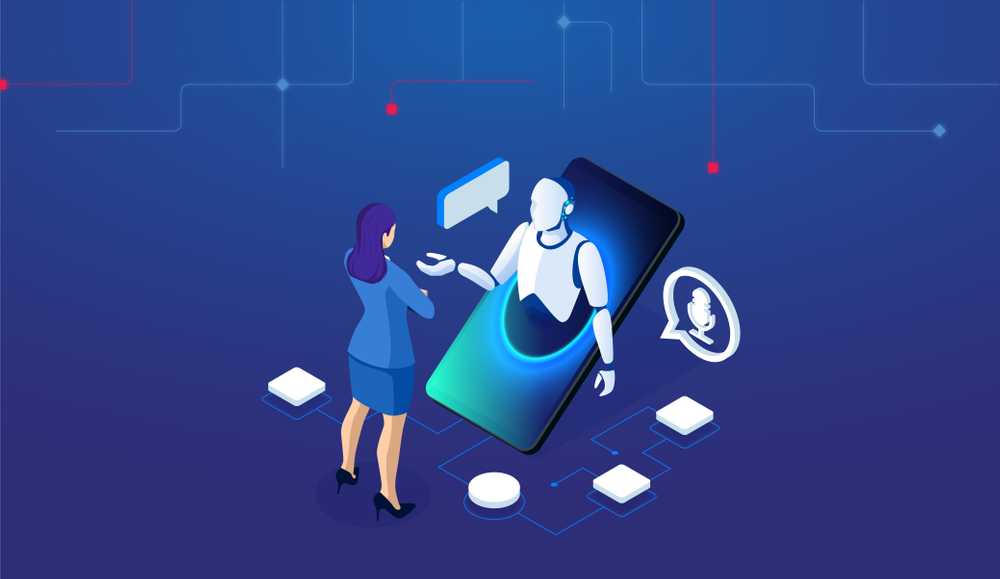
As Web3 ecosystems expand, users often struggle to navigate decentralized applications (dApps), DeFi platforms, and NFT marketplaces. DAC-powered virtual assistants are emerging as indispensable tools in the Web3 space.
- Assisting DeFi Users: DACs can help users understand staking, liquidity pools, and yield farming.
- Guiding NFT Creators and Collectors: These AI-powered assistants provide information about minting, selling, and securing NFTs.
- Interacting with Smart Contracts: Users can query DACs for guidance on interacting with smart contracts in blockchain-based applications.
With Decentralized Autonomous Chatbots (DACs), Web3 users no longer need to rely on centralized platforms for guidance, ensuring a more autonomous and private blockchain experience.
Autonomous Trading Bots

DACs are revolutionizing the financial markets by introducing self-governing trading bots that operate without centralized oversight.
These bots analyze market trends, execute trades, and optimize portfolios based on AI algorithms, all while remaining decentralized.
- Crypto Trading: DACs execute trades on decentralized exchanges (DEXs) using smart contract-based strategies.
- Stock Market Automation: AI-powered DACs can interact with tokenized stocks, helping users invest in blockchain-based financial assets.
- Transparency and Security: Unlike centralized trading bots, DACs store their algorithms on-chain, allowing users to audit their strategies.
By eliminating third-party control, Decentralized Autonomous Chatbots (DACs) enable traders to operate with complete autonomy and trust in their automated systems.
Decentralized Content Moderation

Social media platforms and online forums often struggle with biased content moderation, leading to censorship concerns.
DACs offer a decentralized solution where community members collectively govern content moderation policies through DAOs.
- AI-Powered Moderation: DACs analyze and flag inappropriate content based on predefined rules set by the community.
- Community-Driven Governance: Users vote on moderation policies instead of relying on centralized authorities.
- Censorship Resistance: Content remains publicly verifiable on the blockchain, preventing unjust takedowns.
This decentralized approach ensures that online discussions are governed fairly, promoting transparency and free speech while maintaining responsible moderation.
Personalized AI Agents

In an era where user data privacy is a growing concern, DACs are redefining personal AI assistants by allowing individuals to retain full control over their data.
Personalized AI agents powered by DACs offer custom-tailored services while respecting user privacy.
- Self-Owned AI Assistants: Users can deploy their own DAC-powered chatbots to manage tasks, schedule meetings, or offer AI-driven insights.
- Privacy-First Approach: Unlike centralized AI assistants (e.g., Google Assistant or Siri), DACs do not store personal data on corporate servers.
- Customizable AI Behavior: Users can program their DAC to respond in a manner that aligns with their preferences.
Benefits of Decentralized Autonomous Chatbots (DACs)
Data Ownership
One of the most significant advantages of Decentralized Autonomous Chatbots (DACs) is that users maintain full control over their data. Traditional AI chatbots, such as ChatGPT and Google Bard, store user interactions on centralized servers, often using this data for training and monetization. DACs, on the other hand, decentralize data storage, ensuring that:
- Users own their conversation history without it being exploited by corporations.
- Data remains private and secure, preventing unauthorized access.
- Blockchain-based encryption guarantees that only the user can access their stored interactions.
This fundamental shift ensures a privacy-first approach, making DACs ideal for individuals and businesses concerned about data security.
Censorship Resistance
Censorship and content manipulation are growing concerns with centralized AI models. Corporate AI chatbots are often programmed with biases and restrictions based on the policies of their governing entity.
In contrast, Decentralized Autonomous Chatbots (DACs) operate independently on blockchain networks, making them resistant to censorship.
- No central authority can alter the chatbot’s responses arbitrarily.
- Community governance through DAOs ensures fair and transparent moderation.
- Immutable blockchain records prevent retroactive content modification.
This feature makes DACs particularly useful for applications in journalism, free speech platforms, and decentralized social media, where unbiased information is critical.
Enhanced Security
Security vulnerabilities in centralized AI chatbots can expose users to data breaches, surveillance, and hacking attempts.
Since DACs are built on blockchain technology, they leverage advanced encryption methods to enhance security.
- Blockchain-based encryption ensures that data exchanges remain secure.
- Decentralized storage solutions (e.g., IPFS, Arweave) protect user interactions from cyberattacks.
- Smart contract automation eliminates the need for third-party intermediaries, reducing attack vectors.
These security measures make Decentralized Autonomous Chatbots (DACs) a safer alternative for industries dealing with sensitive data, such as healthcare, finance, and legal advisory services.
Monetization for Users
A unique feature of DACs is their engage-to-earn model, where users and developers can earn tokens for interacting with the chatbot.
Unlike traditional chatbots, which generate revenue solely for the companies that own them, DACs distribute economic value among stakeholders.
- Users earn governance tokens by engaging with the chatbot.
- Developers and contributors receive incentives for improving the chatbot’s AI model.
- Businesses can integrate DACs into their platforms, creating new revenue streams.
This decentralized economic model fosters innovation and encourages user participation, ultimately leading to better chatbot development and increased adoption.
Cost Efficiency
Operating AI chatbots in a centralized model requires significant resources, including cloud server costs, maintenance, and human moderation teams.
Decentralized Autonomous Chatbots (DACs) eliminate many of these costs by running on blockchain networks with automated smart contracts.
- No need for expensive cloud infrastructure, as DACs rely on decentralized computing.
- Reduced operational costs due to automated governance.
- Peer-to-peer interactions eliminate intermediaries, making DACs more financially viable.
Conclusion
Decentralized Autonomous Chatbots (DACs) signal a new chapter in AI-powered automation.
DACs get around many of the restrictions of conventional artificial intelligence chatbots by using blockchain transparency, security, and distributed governance.
From data ownership and censorship opposition to monetization chances and cost effectiveness, DACs are transforming how companies and consumers engage with AI-driven automation.
Although ethical issues, scalability, and computational costs still exist, continuous blockchain technology and distributed computing are opening the path for mainstream usage even in these areas.