The question every retail investor should ask before diving into this volatile, meme-fueled market is, are meme coins worth the risk in 2025?
- 1 Introduction: Meme Coins Surge in 2025
- 2 Meme Coins in Numbers: Market Performance Snapshot (2024–2025)
- 3 Why People Still Buy Memecoins: Psychology, FOMO & Pop Culture
-
4
The Risk Spectrum: Volatility, Scams & Liquidity Traps
- 4.1 Pump-and-Dumps: Still a Core Strategy
- 4.2 Liquidity Traps and Locked LPs
- 4.3 Smart Contract Vulnerabilities: Under-Audited and Overlooked
- 4.4 Tax Trouble: Wash Trades and Regulatory Scrutiny
- 4.5 Whales, Bots, and Uneven Playing Fields
- 4.6 The Emotional Toll: FOMO, Loss Aversion, and Gambler’s Fallacy
-
5
How to Identify a Meme Coin Worth Watching
- 5.1 Red Flags: What to Avoid at All Costs
- 5.2 Green Flags: Traits of a Potentially Viable Meme Coin
- 5.3 Using Tools: Due Diligence for Degens
- 5.4 Context Is Key: Not Every Meme Is Fundable
- 5.5 Risk Management: Are Meme Coins Worth the Risk If Played Smart?
- 5.6 Take-Profit Targets and Trailing Stop-Losses
- 5.7 Hedge Volatility with Stablecoins
- 5.8 Diversify Within Meme Coins: Top Cap vs. Low Cap
- 5.9 Set Emotional Boundaries: The Psychology of Smart Meme Trading
- 5.10 The Golden Rule: Never Invest What You Can’t Afford to Lose
- 5.11 Conclusion: So, Are Meme Coins Worth the Risk in 2025?
- 6 Frequently Asked Questions (FAQs)
Introduction: Meme Coins Surge in 2025
By late 2024, meme coins staged their biggest comeback since the 2021 bull run. Fueled by global elections, TikTok virality, and celebrity hype, they became speculative jackpots for retail traders. CoinGecko reported over $3.8 billion in meme coin volume in Q4—a 220% jump from the prior quarter.
By 2025, the meme coin space had exploded to over 350 active tokens on top DEXs like Uniswap and Raydium. Projects like Pengu, which surged 420% in January, and Bonk, with $750M in liquidity on Solana, show how meme-driven branding and cult communities are redefining crypto hype.
Meme Coins in Numbers: Market Performance Snapshot (2024–2025)
The numbers determining whether Meme Coins are worth the risk from the past year offer both excitement and caution.
As of Q1 2025, the meme coin market has reached an eye-popping $60 billion market cap, according to aggregated data from CoinGecko and DefiLlama—a 150% increase from mid-2024.
This explosive growth positions meme coins not as fringe assets, but as serious contenders in the altcoin arena.
Three meme-based tokens—Bonk, TrumpCoin, and Pengu—now rank among the top 100 cryptocurrencies by daily trading volume, competing neck and neck with layer-1 tokens and AI-related coins.

Bonk, in particular, has been a breakout performer, surging 480% year-to-date and commanding over $750 million in on-chain liquidity, particularly on Solana.
In contrast, JeoToken, another 2024 hype-fueled launch, collapsed by 93% YTD, reminding speculators just how quickly sentiment can reverse.
From a volatility perspective, meme coins remain outliers. A comparative analysis of standard deviation reveals that Bonk and TrumpCoin trade at 2.8x and 3.1x the volatility of Bitcoin, respectively, and nearly double that of Ethereum.
This aligns with their reputation for rapid price swings, community-driven rallies, and unpredictable news catalysts.
Are meme coins worth the risk? That depends on whether traders can stomach the turbulence—or time their entries with meme cycles and influencer campaigns.
Institutional interest, while cautious, is starting to bubble under the surface.
In January 2025, Grayscale quietly added exposure to select meme coins through its experimental “MicroCap Crypto Opportunities Fund,” citing “narrative-driven assets with viral upside potential.”
While this doesn’t constitute mainstream adoption, it signals that institutional players are at least monitoring the space—and in some cases, lightly participating. Meme coins are now too big to ignore, but also too volatile to fully trust.
The current landscape paints a picture of explosive growth, manic momentum, and inevitable collapses—often all within the same quarter.
So again we ask, are meme coins worth the risk in 2025? The data suggests they’re both a goldmine and a grenade, depending on when—and why—you jump in.
Why People Still Buy Memecoins: Psychology, FOMO & Pop Culture
Memes as Financial Statements
For Gen Z traders, owning tokens like Bonk or Pengu is a way to signal affiliation, humor, and defiance against traditional finance.
The coins may lack fundamentals, but they offer something else: narrative capital. In many meme communities, price discovery is emotional first, and rational second.
The TikTok Effect: Fast Trades, Faster Trends
TikTok continues to play a pivotal role in meme coin virality. Short-form videos showcasing instant 10x gains, celebrity endorsements, and satirical memes now drive investment FOMO more than whitepapers ever could.
According to a March 2025 report by LunarCrush, TikTok and Instagram Reels accounted for nearly 40% of social media mentions linked to meme coin volume spikes. Are meme coins worth the risk? For TikTok traders, the risk is part of the thrill—and the content.
Community First, Fundamentals Later
A common rallying cry across meme coin ecosystems is “We are the utility.” These communities often prioritize engagement, memes, and movement-building over roadmaps and use cases.
Telegram and Discord groups can swell to hundreds of thousands within days, with buying pressure often driven by a sense of collective identity and coordinated hype rather than intrinsic value.
Celebrity Endorsements & Token Hype
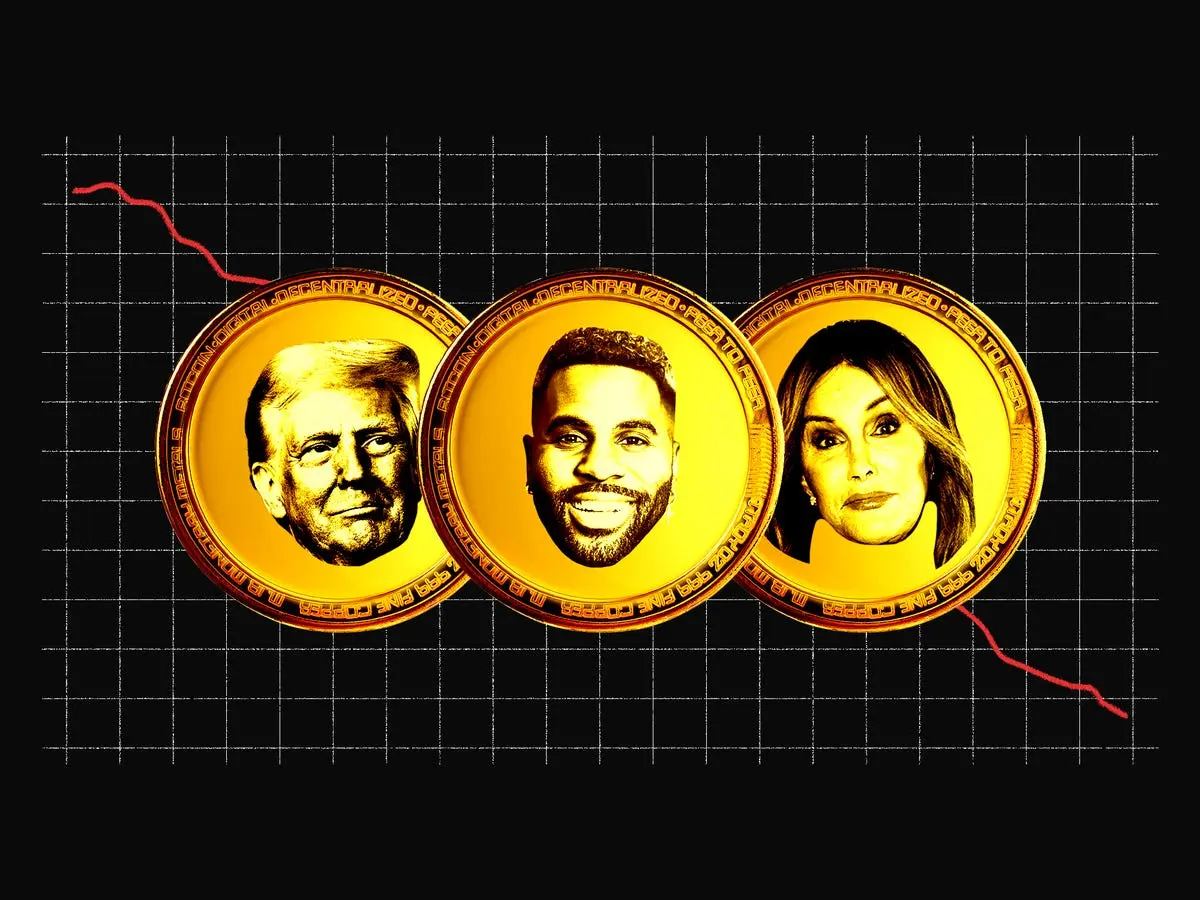
Celebrities are no strangers to the meme coin craze. Elon Musk’s X posts still send meme charts soaring. In 2024, rapper Lil Durk supposedly launched DurkCoin, which pumped 280% in its first week after a coordinated Twitter campaign.
Meanwhile, influencers like Andrew Tate and Soulja Boy have repeatedly backed—or launched—their own tokens, blurring the line between clout and capital.
Are meme coins worth the risk in 2025? The answer is layered. These tokens operate at the intersection of internet culture, financial speculation, and psychological gratification.
While traditional investors might scoff, meme coin buyers often know exactly what they’re doing: betting on vibes, velocity, and virality.
Blurred Digital Economies: NFTs, Memes, and Microcaps
The line between meme coins and other digital assets is vanishing. Many of the top meme tokens now offer NFT integration, staking rewards, and DAO governance—further blurring the lines between social clout and speculative assets.
In this fluid ecosystem, investors don’t just hold—they meme, mint, and merchandise. In the end, are meme coins worth the risk? It’s not just a financial question. It’s a cultural one.
The Risk Spectrum: Volatility, Scams & Liquidity Traps
Pump-and-Dumps: Still a Core Strategy
Despite the rise in meme coin legitimacy through listings and liquidity, pump-and-dump schemes remain rampant.
According to CertiK’s 2024 annual audit report, there were at least 27 high-profile rug pulls involving meme tokens—most of which occurred within days of launch.
In some cases, token creators deployed stealth taxes on sales or simply drained liquidity pools once prices peaked.
These schemes typically follow the same playbook: stealth launch, influencer hype, mass FOMO, and then a rapid drain of funds.
Tokens like BabyFlokiKing and ZooMeme made headlines in late 2024 when millions in liquidity vanished in under 48 hours. If you’re asking “Are meme coins worth the risk?”—start by understanding just how easily fortunes can swing, or vanish, overnight.
Liquidity Traps and Locked LPs
Another hidden danger in meme coin trading is liquidity manipulation. A token might look healthy on paper—solid volume, tight spreads—but behind the scenes, liquidity may be shallow or locked in ways that restrict exit opportunities.
In some cases, developers hard-code tokens so that only privileged wallets (or bots) can sell during initial trading windows.
Some rug pulls masquerade as legitimate projects by “locking” liquidity via protocols like Unicrypt, but they still find ways to circumvent trust mechanisms through backdoors in smart contracts.
In February 2025, PepeCloneX was exposed for redirecting 30% of trading fees to dev wallets while marketing itself as community-run.
The lesson? Liquidity ≠ safety. Just because you can buy a meme coin doesn’t mean you can sell it—especially if you’re not a whale or bot.
Smart Contract Vulnerabilities: Under-Audited and Overlooked
While major layer-1 and DeFi protocols undergo routine smart contract audits, most meme coins skip this entirely.
Many meme tokens are launched in under 30 minutes using forked code from open-source templates.
Few are reviewed by professional auditors, and even fewer implement upgradable contracts or permission controls responsibly.
In 2024 alone, at least $41 million was lost due to exploits in meme coin smart contracts, according to data compiled by SlowMist.
Vulnerabilities included reentrancy bugs, poorly coded burn functions, and unrestricted minting privileges. These aren’t rare anomalies—they’re often features, not bugs, in meme coin code.
So, are meme coins worth the risk in 2025? Only if you’re willing to treat every new contract as suspect until proven otherwise.
Tax Trouble: Wash Trades and Regulatory Scrutiny
In jurisdictions like the U.S., U.K., and Australia, meme coin traders are increasingly being caught in the tax net. Many engage in wash trading—selling at a loss to offset gains, only to buy back the same asset days later. But regulators are catching on.
The Australian Tax Office recently flagged over 10,000 wallet addresses for “pattern anomalies” tied to meme coins like WallabyINU, prompting investigations into tax evasion schemes.
Meanwhile, the IRS Crypto Task Force announced plans to increase scrutiny on high-frequency traders using meme coins as wash trade vehicles.
This regulatory spotlight raises the stakes significantly. The question “Are meme coins worth the risk?” now includes a legal dimension: Are you prepared to defend your on-chain behavior in an audit?
Whales, Bots, and Uneven Playing Fields
Meme coin markets are rarely democratic. A handful of whale wallets and sniper bots often control the early price discovery phase.
These actors use tools like MEV (Miner Extractable Value) bots and real-time memepool scanning to frontrun or sandwich retail trades. By the time an average user buys in, insiders may already be offloading.
Case in point: in January 2025, the launch of DegenPengu saw 60% of total supply scooped up by six wallets within the first 20 blocks.
Gas fees on Ethereum briefly spiked as bot networks battled for early positions—while latecomers were left holding a rapidly depreciating token.
This dynamic reinforces a bitter truth: Meme coins reward speed and size, not fundamentals. If you’re not a whale—or connected to one—you’re often exit liquidity.
The Emotional Toll: FOMO, Loss Aversion, and Gambler’s Fallacy
Beyond the code and liquidity, meme coins also prey on human psychology. Investors often double down on losing positions due to loss aversion, or chase new coins out of FOMO—fear of missing out.
The result is a casino-like loop where retail traders rotate between tokens hoping to recoup losses from previous “moonshots” gone wrong.

Telegram groups and X (Twitter) threads are filled with euphoric wins and catastrophic losses—both equally viral, both equally manipulative. The meme coin game doesn’t just gamble with your wallet; it messes with your mindset.
So once more: Are meme coins worth the risk? Only if you approach them with the same caution will you reserve for leverage trading, high-stakes poker, or buying art blindfolded.
How to Identify a Meme Coin Worth Watching
Whether meme coins are worth the risk or not lies in due diligence and understanding how to spot red flags, green flags, and momentum indicators early on.
While meme coins often thrive on absurdity, identifying a potentially worthwhile one requires rationality, data, and tools.
If you’re going to swim with the whales and dodge the rug pulls, you need more than just meme magic—you need methodology.
Spotting a meme coin worth watching comes down to research and risk awareness. Beyond the hype, it takes real analysis to separate viral success from potential scams.
Red Flags: What to Avoid at All Costs
Before you even think about ‘aping’ into a newly launched meme token, you should run through this red flag checklist. If any one of these are present, that coin may not be worth your time—or your money.
- Anonymous Developers Without History: While pseudonymity is common in crypto, total anonymity—especially without previous project credibility—is a major red flag. Many rugs in 2024 stemmed from one-off devs with no GitHub presence or prior projects.
- No Smart Contract Audit: If the token hasn’t been reviewed by a third-party security auditor (like CertiK, Hacken, or SolidProof), assume it’s vulnerable. Most rug pulls and flash-loan exploits begin with poorly written, unaudited code.
- No Locked Liquidity: A lack of liquidity lock means the devs can pull all funds from the liquidity pool at any time. Use tools like Unicrypt or Team Finance to verify lock duration.
- No Ownership Renounce: If the contract’s ownership hasn’t been renounced, the dev still has backend control over trading taxes, minting supply, and even blacklisting wallets.
- Unrealistic Tokenomics: Tokens with quadrillions in supply, massive buy/sell taxes (10%+), or infinite mint functions often spell disaster. Inflation is not a joke—it’s dilution.
- Hype-Only Marketing: A meme coin whose entire selling point is “going to the moon” without any roadmap, mission, or community plan is likely just exit liquidity in disguise.
If you’re asking yourself, “Are meme coins worth the risk?”, this checklist is your first defense. The less transparent the project, the higher the likelihood you’re being played.
Green Flags: Traits of a Potentially Viable Meme Coin
On the flip side, some meme coins do show signs of early-stage sustainability, often characterized by legitimate development teams, growing traction, and some form of long-term vision—even if wrapped in humor.
Here’s what to look for:
Transparent Development Team: A doxxed team (or at least partially known devs with verifiable histories) indicates long-term commitment. Bonus points for consistent engagement via Twitter/X Spaces and Discord.
Holder Base Growth: Look for a steadily growing number of unique holders. On Etherscan or Solscan, you can monitor wallet distribution. A healthy holder base is more decentralized and less vulnerable to whale dumps.
Community Engagement & Tools: Meme coins that go beyond memes—offering dashboards, staking portals, or DAO governance tools—indicate actual development effort. Examples: BonkBot, PenguDAO voting dApps, etc.
Reasonable Tokenomics: Sustainable meme coins usually have deflationary mechanisms (burns, capped supply), and reasonable taxes (below 5% for buy/sell). Anything above screams profits drain.
Liquidity Lock Duration: The longer the liquidity is locked (6 months minimum), the better. Some devs voluntarily burn LP tokens, making it impossible to withdraw funds—an ultimate sign of long-term trust.
If you’re wondering again, “Are meme coins worth the risk in 2025?”, these green flags are a sign you’re looking at a project with at least a fighting chance to survive the volatility.
Using Tools: Due Diligence for Degens
In meme coin investing, your toolkit is your lifeline. Here are the most effective platforms to assess token legitimacy and market health.
1. DEXTools.io
An essential scanner for real-time meme coin data:
DEXScore: Ranks projects based on liquidity, volume, and holder health.
Token Info: Shows contract ownership, transaction history, and verified audits.
Whale Alerts: Track large buys/sells to avoid becoming exit liquidity.
Pro Tip: Look for tokens with DEXScores above 90, rising holder count, and consistent trade volume.
2. Etherscan (or Solscan, BSCScan)
Blockchain explorers provide deep transparency into what’s happening under the hood.
Holder Distribution: Are top wallets holding 50%+ of the supply? That’s a red flag.
Contract Creator Address: Check if the dev wallet is still minting or dumping tokens.
Transfers Tab: Spikes in transaction activity can indicate bot manipulation.
3. CoinGecko’s Trust Score
CoinGecko uses a “Trust Score” for centralized exchanges, but you can analyze project profiles for insights:
Liquidity Depth: Reflects how easy it is to enter or exit large trades.
Exchange Listings: Is the token only on DEXes? Centralized exchange listings often signal broader legitimacy.
Community Growth: Measured via Twitter, Reddit, and Telegram momentum.
4. Token Sniffer / RugDoc
Security-oriented platforms that flag risky code patterns and anti-sell functions in smart contracts. A quick check here can save you from disaster.
Are meme coins worth the risk in 2025? Only if you’re willing to arm yourself with data before diving into a Discord pump group.
Context Is Key: Not Every Meme Is Fundable
Just because a token is funny doesn’t mean it’s fundable. The line between satire and scam is razor-thin in meme coin culture.
Projects like Pengu succeeded because they blended humor with functional staking, NFT integration, and strong community leadership. Others, like RatShibaX, existed purely to drain liquidity.
Ask yourself:
- Is there a plan beyond the meme?
- Are there daily dev commits?
- Is the community building or just memeing?
Remember: A meme coin worth watching doesn’t just go viral—it sticks around after the trend fades.
A Checklist for Sanity
Here’s a distilled decision framework before you ape:
Checkpoint
- Transparent or known dev team
- Smart contract audit complete
- LP locked for 6+ months
- Steady holder base growth
- Active Discord/Telegram engagement
- Tokenomics that make sense
- No single wallet holds 30%+
- Verified on CoinGecko/CoinMarketCap
If you check fewer than 5 boxes, it’s probably not worth your capital.
Risk Management: Are Meme Coins Worth the Risk If Played Smart?
Position Sizing: Don’t YOLO Your Portfolio
In meme coin trading, position sizing is your first line of defense. The truth is, most meme coins are speculative bets, not long-term holdings. Treating them like blue-chip assets is a fast track to regret.
Here’s the golden rule: never allocate more than 5–10% of your entire portfolio to meme coins—and even that should be spread across multiple projects.
Pro Tips:
For conservative investors: 1–3% exposure is sufficient for upside without jeopardizing the core portfolio.
For aggressive traders: cap each individual meme coin allocation to 0.5–2%.
Never double down on a loser. If a meme coin tanks, let it go—don’t try to “average down” on vibes.
Take-Profit Targets and Trailing Stop-Losses
The wild price swings in meme coins mean you must know exactly when to exit—both to lock in profits and to avoid catastrophic losses.
How to Set Take-Profit Points:
- Scale-out in tranches: Sell 25–30% after a 2x or 3x return. Sell another portion at 5x. Leave a moon bag only if the fundamentals or hype are still intact.
- Use round numbers: Psychological levels like $0.01 or $0.10 often act as resistance zones—plan exits accordingly.
- Set alerts: Use tools like DEXTools, TradingView, or CoinGecko to monitor targets in real time.
- Implement Trailing Stop-Losses: Consider using decentralized limit-order protocols like Gelato or 1inch’s limit-order tool to automate stop-losses.
A 20–30% trailing stop from a recent high can protect profits while allowing upside continuation.
If you’ve ever hesitated and watched gains turn to losses, you already know the answer to this question: Are meme coins worth the risk if you don’t have an exit plan? Absolutely not.
Hedge Volatility with Stablecoins
Stablecoins are not boring—they’re smart. In a market that can move 50% in a day, rotating profits into stablecoins can mean the difference between preserving capital and riding it back to zero.
Stablecoin Hedging Strategies:
After a pump, rotate 30–50% of profits into USDC, DAI, or PYUSD.
Use LP farming or yield protocols to earn passive income on your stables while you wait for the next meme cycle.
Keep a stablecoin war chest for buying dips or reallocating during crashes.
Diversify Within Meme Coins: Top Cap vs. Low Cap
Meme coins come in different flavors—some with blue-chip meme status (Dogecoin, Bonk, Shiba Inu), and others as ultra-low cap gems.
Balancing between these can reduce your downside while still giving you exposure to potential moonshots.
Avoid putting everything into one coin—even if it’s trending. Spread your bets across multiple coins and rotate based on volume trends, social momentum, and utility development.
So, are meme coins worth the risk if you go all-in on a single hype token? Definitely not. Diversification can turn chaos into a calculated portfolio.
Set Emotional Boundaries: The Psychology of Smart Meme Trading
Risk management is as much about mental clarity as it is about math. Meme coins are emotional traps. They lure with promise and punish with whiplash. Every investor needs rules to keep emotions in check.
Questions to Ask Before You Buy that meme coin:
- Why am I entering this position—hype or analysis?
- What is my target exit point?
- Am I okay with losing 100% of this?
Stick to your plan even when your feed is full of 100x screenshots. Most of them are either fake or fleeting.
The Golden Rule: Never Invest What You Can’t Afford to Lose
Let’s be clear: meme coins are not savings accounts. They’re speculative tokens wrapped in culture, humor, and hype. Before investing in any meme coin, ask yourself: Can I live without this money tomorrow?
If the answer is no, don’t touch it.
People have maxed credit cards to ape into presales, liquidated retirement funds for cartoon coins, and gambled student loans on TikTok tokens. Don’t be that person. Meme responsibly.
Conclusion: So, Are Meme Coins Worth the Risk in 2025?
Meme coins in 2025 are no longer just jokes—they’re high-volatility, high-reward tokens fueled by hype, timing, and community. Coins like Bonk, TrumpCoin, and Pengu have delivered eye-popping returns, but just as many have vanished overnight. The truth? Meme coins can outperform—but they can also out-risk.
What sets this cycle apart is the evolution: top meme coins now offer NFT integrations, DAO features, and DeFi-style utilities wrapped in satire. They’re narrative assets, not fundamentals-driven investments.
So, are meme coins worth the risk in 2025? Only if you treat them as speculation—backed by research, strategy, and clear exit plans. They’re built for culture, not stability. Play smart, or get played.
Frequently Asked Questions (FAQs)
What are meme coins?
Meme coins are cryptocurrencies inspired by internet culture, often launched as jokes or social experiments—like Dogecoin, Shiba Inu, or TrumpCoin.
Are meme coins a good investment in 2025?
They can offer explosive returns, but they’re highly speculative. Some have real utility in 2025, but many remain high-risk with pump-and-dump tendencies.
How risky are meme coins compared to Bitcoin or Ethereum?
Meme coins are far riskier. They often lack institutional support and long-term value, unlike Bitcoin and Ethereum which have more stable ecosystems.
Can meme coins be regulated or banned?
Yes. Global regulators are cracking down on fraudulent meme coins, especially those that mislead investors or violate securities laws.
How do I know if a meme coin is a scam?
Red flags include anonymous teams, no whitepaper, zero utility, and unrealistic claims. Always research before investing.