
Trezor highlights the power of Bitcoin self-custody, urging users to secure their keys to avoid risks from centralization and embrace financial independence.
As institutional adoption of Bitcoin continues to rise, hardware wallet maker Trezor has emphasized the significance of self-custody in protecting Bitcoin holders against possible failures of centralized organizations.
Lucien Bourdon, a Bitcoin analyst at Trezor, said that while institutional adoption has contributed significantly to the price growth and widespread recognition of Bitcoin (BTC$101,041), it also has some concerns.
According to Bourdon, “institutional involvement introduces centralization, with single entities holding large amounts of Bitcoin.” According to Bourdon, institutional adoption carries dangers such as volatility and lousy sentiment if institutional investors experience serious problems or fail.
According to Bourdon, self-custody, holding cryptocurrency independently of a third party, provides a long-term remedy for potential centralized failures.
Owning Bitcoin does not equate to owning Bitcoin ETFs or MicroStrategy.
Through products like Bitcoin exchange-traded funds (ETF), which saw $38 billion in inflows in 2024, institutional acceptance has made it possible for billions of dollars worth of corporate capital to go into Bitcoin.
Trezor cautions that buying shares of MicroStrategy or Bitcoin ETFs is not the same as keeping genuine Bitcoin in self-custody, even though the company does not oppose institutional use.
“Investors who depend on these institutions may suffer losses if they experience issues without the safeguards that self-custody offers,” Bourdon stated, adding:
“Over the long term, those in self-custody remain insulated from these risks. By holding their own keys, Bitcoiners protect themselves from these vulnerabilities while still reaping the benefits of Bitcoin’s growing adoption and long-term value.”
Individuals hold the majority of the Bitcoin supply.
According to Lucien Bourdon, the bulk of Bitcoin is still held by individuals, even if governments and institutions have been amassing more cryptocurrency.
A 2024 CoinGecko study estimates that by the end of the previous year, governments had just 471,000 BTC or just 2.2% of the total amount of Bitcoin.
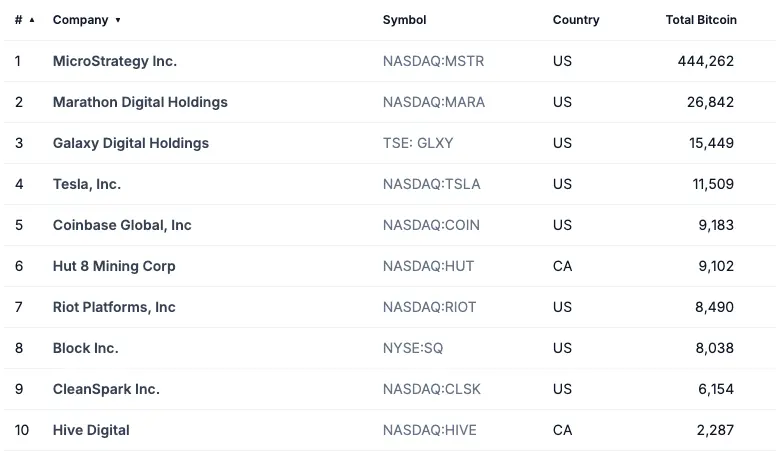
The analyst claimed that governments are “playing catch-up” due to this distribution, underscoring Bitcoin’s decentralized philosophy, which distributes power among people rather than centralized organizations.
Adoption by the state can have benefits, including boosting economic growth, transparency, and fiscal restraint. However, he stated that the core of Bitcoin’s power is its capacity to give power to the majority rather than a select few.
Bourdon also noted that countries such as the United States have demonstrated indications of failing to differentiate between Bitcoin and other coins in the context of official cryptocurrency adoption.
“In contrast to Bitcoin, the other cryptocurrencies under consideration for a strategic reserve are issued or managed by central organizations and do not have a fixed supply,” he stated, adding that these assets do not possess the fixed scarcity and commodity-like characteristics that make Bitcoin particularly well-suited for a reserve asset role.
Trezor urges people to “ignore the noise” and concentrate on Bitcoin self-custody.
Bitcoin self-custody has at least one significant drawback, even though it enables users to store assets like Bitcoin independently: users are solely responsible for keeping their private keys safe. Users cannot recover their holdings if a private key is misplaced or stolen.
The self-custodial Trust Wallet saw record downloads last year. Trezor reported record demand during record highs in the price of Bitcoin, indicating that the self-custody trend has been increasing despite this drawback.
Trezor’s Bourdon states, “Self-custody will naturally follow as crypto adoption expands.”
“This evolution reflects a broader cultural movement toward personal responsibility and empowerment in the digital age, in addition to a shift in user behavior.”
Trezor is releasing the Trezor Safe 5 Freedom Edition, a limited edition hardware wallet, to commemorate Bitcoin’s financial sovereignty and independence.
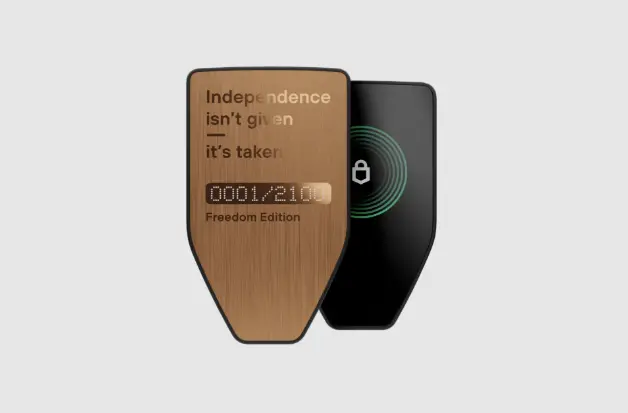
Beginning on January 30, Trezor’s Freedom Edition will provide 2,100 devices with the slogan “Independence isn’t given — it’s taken.”
“The best way forward is to secure your wealth, ignore the noise, and trust in the power of sound money to offer stability and independence,” Bourdon stated, adding that Bitcoin outlasts crises and distractions, as history has demonstrated.