

Decentralized AI gains traction as DNA Fund backs Bittensor, eyeing it as the next big breakthrough in blockchain’s evolution.
Some of the first blockchain users are “entrenching” themselves firmly in decentralized AI, with Bittsenor and similar ecosystems forming as growth engines.
These platforms are revolutionizing traditional venture capital models by allowing the most fantastic ideas to naturally garner community support, staking, and liquidity without the assistance of institutional gatekeepers.
During Cointelegraph’s conversation with Chris Miglino, co-founder and CEO of DNA Fund, a digital asset investing company he co-founded with fellow serial entrepreneurs Brock Peirce and Scott Walker, it was one of the main conclusions.
In addition to managing five different funds using various techniques, DNA Fund serves investor and company capital by managing high-yield funds, algorithmic trading funds, AI compute funds, liquid token funds, and venture funds.
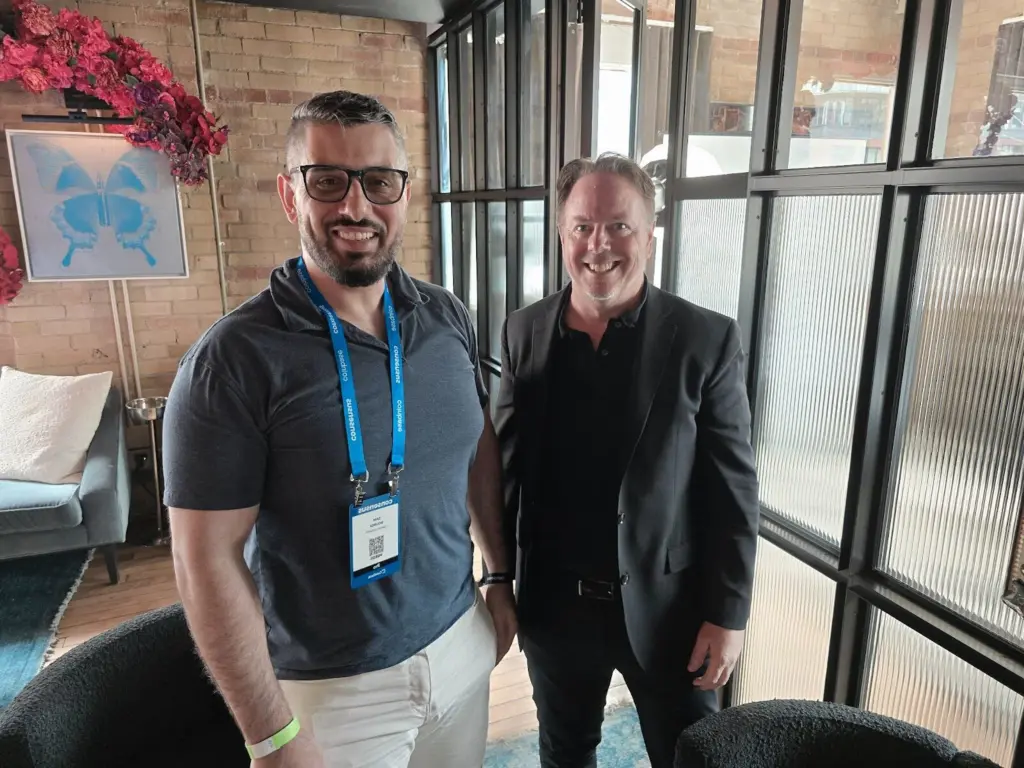
Miglino was especially thrilled about the company’s AI computing fund. Miglino hosted Cointelegraph at a DNA House event during the Consensus conference in Toronto, Canada.
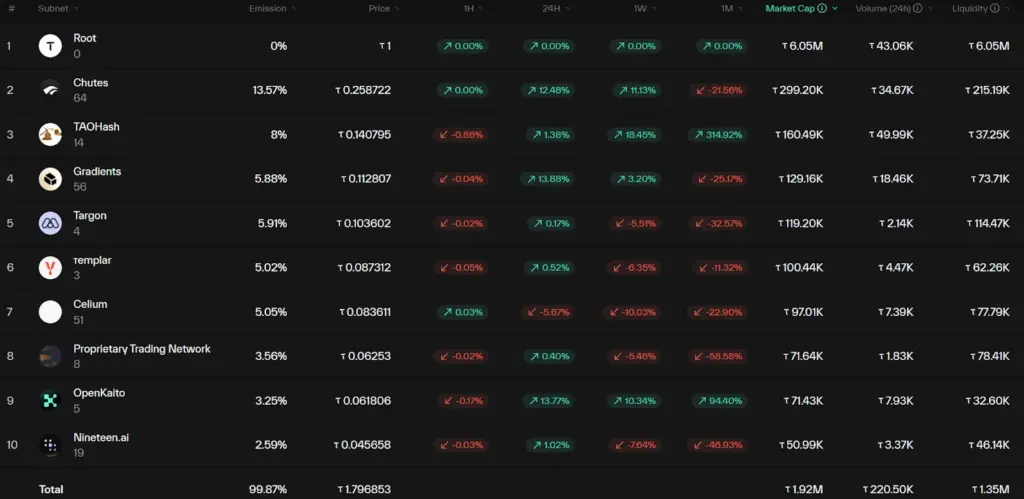
“Our AI compute fund, where we’ve been entrenched into the TAO ecosystem, is the biggest thing we’re working on in the whole ecosystem,” Miglino added, alluding to Bittensor, an open-source, decentralized machine learning network.
Supporters of Bittensor claim that the network is unique due to its subnets, which allow for niche, reward-based markets centered on specific use cases for AI or machine learning.
According to Miglino, DNA Fund has committed about $50 million in computing to the TAO ecosystem and is “actively mining on different subnets.”
He declared, “We are prepared and willing to speak with anyone who wishes to launch within that ecosystem.”
“Decentralized AI Is Consuming Everything We Do”
According to Miglino, DNA House concentrates on decentralized AI, the framework for creating and implementing artificial intelligence systems via a dispersed network instead of a centralized authority.
He claimed that it was “consuming everything we’re doing.”
This paradigm can potentially be “bigger than anything that’s ever existed,” according to Miglino.
In my opinion, it has the potential to surpass Bitcoin.
That may seem impossible given Bitcoin’s 2.1 trillion market value and position as the first successful decentralized monetary system of the information age.
However, most engineers concur that artificial intelligence will significantly alter human society.
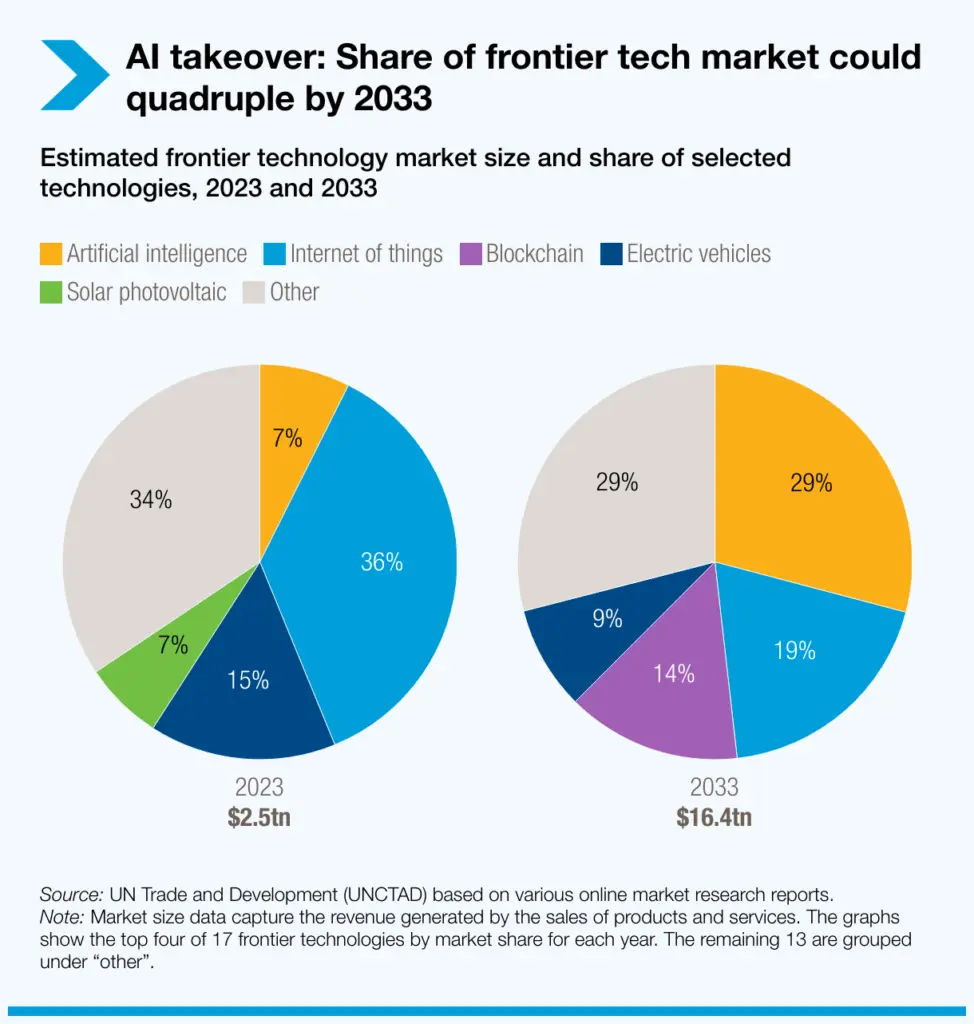
DNA House is placing a wager that decentralized AI ecosystems such as Bittensor will propel that change by enabling developers to start companies without needing to acquire outside funding:
“Develop on the ecosystem, get validators that believe in your idea, [and] that’ll attract the miners and the validators together and all of a sudden you’re in business. You don’t need to go out and raise a ton of money from a bunch of VCs.”
It is by no means a radical theory that AI will have a decentralized future.
Ben Goertzel, one of the early proponents of artificial general intelligence, told Cointelegraph that even before he wrote his first line of AI code in the early 1990s, he recognized the necessity of decentralized AI.