
Explore how blockchain is being used in education, healthcare, and identity systems in 2025 with real-world use cases, benefits, and expert insights
Introduction: Blockchain Beyond Crypto
Blockchain isn’t just about Bitcoin anymore — it’s revolutionizing how we think about data, identity, and institutional trust. Blockchain, once solely associated with the world of cryptocurrencies, is now permeating every aspect of society.
From classrooms to clinics to civil registries, decentralized ledgers are becoming powerful tools for tackling age-old problems with modern efficiency.
In today’s data-driven era, transparency, accountability, and privacy are no longer optional — they’re mission-critical. That’s why institutions around the world are turning to blockchain as a secure, tamper-proof framework for managing sensitive information.
How Blockchain Is Being Used in Education, Health & Identity is a global movement toward decentralization, equity, and trust. In this article, we’ll explore how blockchain is driving innovation in these three essential sectors, backed by real-world data and transformative use cases.
Why Blockchain? The Tech Behind the Trend
Blockchain is a digital ledger that is spread out over many computers and keeps track of transactions in a form that is unchangeable, decentralized, and open to everyone.
But what does that truly mean? Why is it such a big deal in fields like education, health, and identity?
Decentralization
Blockchain is different from typical databases because it gives control to a network of people instead of a central authority.
This gets rid of single points of failure and builds confidence, which is very important in situations where the accuracy and availability of data affect real-world results, like school records or medical histories.
Immutability
When data is written to a blockchain, it can’t be changed or deleted without the agreement of the whole network.
This permanence is great for checking credentials, patient diagnoses, or assertions of identification because it makes a record that can be checked.
Transparency and Security
The design of blockchain makes sure that everyone in a network can see and check data, and cryptographic techniques keep that data safe and private.
These traits make blockchain very useful in industries where confidence is important and accuracy, privacy, and auditability are not up for debate.
As more people start using blockchain, its economic impact grows. By 2025, the global blockchain healthcare market is anticipated to be worth more than $15 billion. This is because there is a need for improved patient data management and less fraud.
More than 50 colleges across the world currently use blockchain to issue and verify academic credentials. This cuts down on fraud and administrative costs.
At the same time, blockchain-based digital ID programs are growing quickly, with more than 30 nations testing or using national identity solutions on-chain.
These trends make it clear that it’s no longer just a theory that blockchain may be utilized in education, health, and identity. It’s real, scalable, and already creating ripples throughout the world.
Blockchain in Education: Verifiable Credentials & Global Learning
Education is undergoing a digital transformation, and blockchain is playing a vital role in making that shift credible, secure, and borderless.
From tamper-proof degrees to portable skill certifications, blockchain is redefining how we prove, manage, and share academic achievement in a decentralized world.
Academic Certificates on the Blockchain
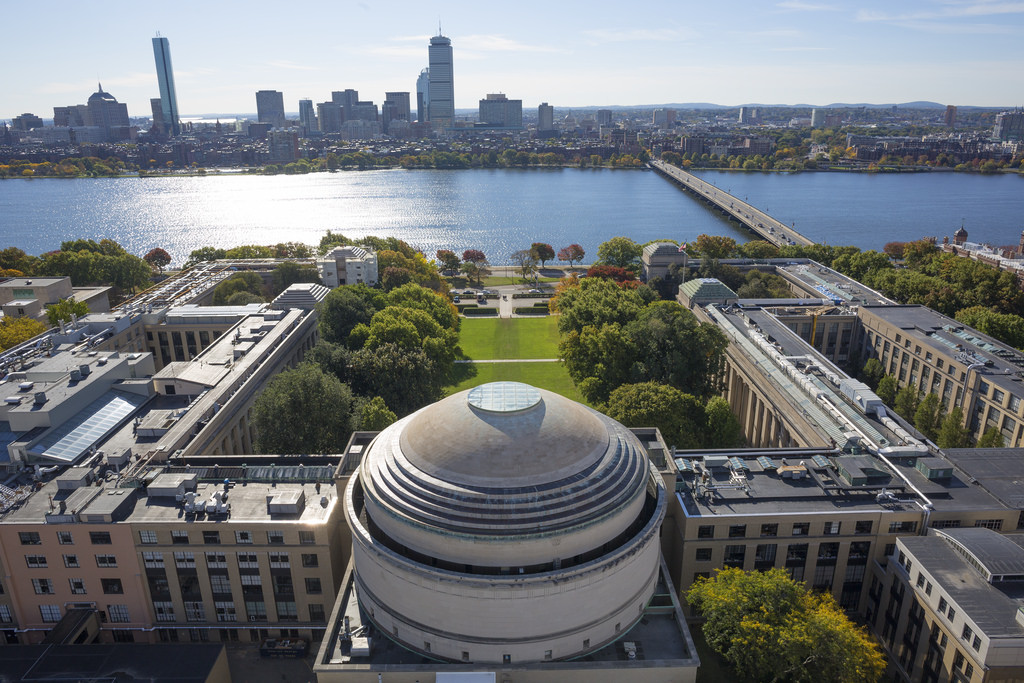
One of the most established use cases is blockchain-verified diplomas. Institutions like the Massachusetts Institute of Technology (MIT) and the University of Nicosia have pioneered the issuance of tamper-proof digital degrees on the blockchain. These credentials are cryptographically signed and easily shareable — making it nearly impossible to forge or falsify academic records.
This innovation helps prevent credential fraud, streamlines the verification process for employers and admissions offices, and supports cross-border recognition of academic achievements — a significant hurdle in global mobility.
Lifelong Learning & Skills Portability
In the age of upskilling and modular learning, blockchain enables micro-credentials to be issued and tracked securely. Platforms like Learning Machine (now part of Hyland) have partnered with governments and institutions to record skills, certifications, and learning progress on-chain — allowing students to own their educational journey from high school through continuous adult learning.
This also supports the gig economy and freelance workforce, where workers can present portable, verifiable skills rather than rely on traditional degrees alone.
Student Identity & Records Management
Managing student identity is often a bureaucratic and siloed process, but blockchain is introducing more secure and interoperable alternatives.
By storing student records, transcripts, and application data on decentralized networks, institutions can cut administrative costs while giving students more control over their personal data.
Privacy-focused models using zero-knowledge proofs (ZKPs) are emerging, allowing institutions to verify the validity of credentials without exposing personal information — striking the right balance between trust and confidentiality.
Adoption Momentum: The Numbers Speak
HolonIQ, a global data platform for education, does highlight the growth of the EdTech market and the increasing use of technology in education.
According to a study from Taylor & Francis Online, there’s a growing interest in blockchain’s applications within the education sector, particularly for credentialing and secure record keeping.
This number is expected to grow exponentially as institutions seek scalable, fraud-proof alternatives to traditional recordkeeping.
Blockchain in Healthcare: From Medical Records to Drug Integrity
The healthcare sector is notoriously complex — plagued by fragmented systems, data silos, counterfeit drugs, and administrative inefficiencies.
In 2025, blockchain is emerging as a powerful remedy. From electronic medical records (EMRs) to insurance billing, blockchain offers a transparent and tamper-proof foundation that empowers patients and enhances institutional trust.
Decentralized Health Records
Today, patients often have little control over their health data. Blockchain enables the creation of decentralized, interoperable medical records that put patients in charge of who accesses their information — securely and selectively.
A leading example is Estonia’s e-Health Foundation, which uses blockchain to store citizen health records and log every access attempt, ensuring full traceability.
Meanwhile, Healthereum combines blockchain with patient engagement, allowing users to control their data and get rewarded for participating in surveys or appointments.
This new approach exemplifies how blockchain is being used in education, health & identity, turning static records into dynamic, patient-owned assets.
Supply Chain Transparency in Pharmaceuticals
Counterfeit drugs are a life-threatening issue, especially in Africa and Southeast Asia, where unregulated medicine floods informal markets.
Blockchain-based supply chains solve this by offering end-to-end traceability — from manufacturer to pharmacy to patient.
The MediLedger Project, backed by pharmaceutical giants, uses blockchain to verify and track drug shipments, ensuring authenticity and regulatory compliance.
Similarly, IBM and Moderna partnered to monitor COVID-19 vaccine distribution via blockchain, ensuring cold chain integrity and real-time tracking across continents.
Consent Management & Clinical Trials
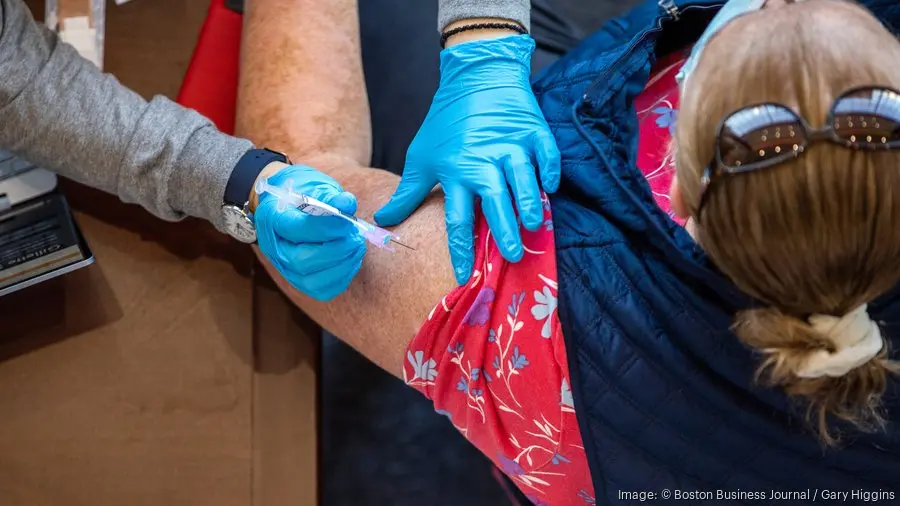
Informed consent is a legal and ethical necessity in medical research — and blockchain helps prove it. By recording patient consent forms on an immutable ledger, clinical trial sponsors ensure that approvals are timestamped, verifiable, and tamper-resistant.
Blockchain also enhances trial transparency, allowing regulators and auditors to access real-time data on recruitment, dosage, and results. This improves trust in trial outcomes, accelerates drug approval processes, and safeguards participant rights.
Insurance and Billing
Billing fraud, claim delays, and opaque pricing plague healthcare finance. Blockchain introduces smart contracts that automate claims processing, enabling real-time approvals, instant payments, and reduced administrative friction.
By anchoring insurance data on immutable ledgers, insurers can minimize fraud, detect anomalies faster, and eliminate redundant paperwork — leading to fairer pricing and faster reimbursements.
Stat Highlight: Fraud Reduction Outlook
According to the World Health Organization (WHO), integrating blockchain into healthcare systems could result in a reasonable reduction in medical fraud in the near future..
This prediction underscores blockchain’s rising role not just as a technical upgrade but as a foundational layer for medical trust and integrity.
From drug authenticity to patient privacy, how blockchain is being used in education, health & identity is a preview of the next generation of healthcare—one that is smarter, safer, and more transparent.
Blockchain and Digital Identity: From Proof to Power
In a hyperconnected world, your identity is your gateway to education, banking, healthcare, and citizenship — yet over 1.5 billion people still lack any form of legal identification.
Blockchain is changing that by enabling self-sovereign digital identity (SSI) systems that return control to individuals while enhancing verification, privacy, and security on a global scale.
The Rise of Self-Sovereign Identity (SSI)
At the heart of blockchain-based identity is a powerful idea: users should own and control their identity data, not governments or corporations.
SSI frameworks give individuals a digital wallet of verifiable credentials — such as passports, diplomas, or health records — that they can present selectively and securely.
This approach is grounded in open standards like W3C Verifiable Credentials and Decentralized Identifiers (DIDs).
These enable tamper-resistant proof of identity without relying on centralized authorities, making them ideal for use in everything from education to finance to cross-border aid.
This growing shift reflects how blockchain is being used in education, health & identity to address global inequity and restore user agency in the digital age.
Real-World Projects (2024–2025)
The momentum around blockchain identity solutions is undeniable. Several high-impact initiatives are rolling out globally:
ID2020 Alliance: A multi-stakeholder partnership focused on digital ID for underserved populations.
MOSIP (Modular Open Source Identity Platform): Backed by the World Bank, MOSIP supports national ID systems in Morocco, the Philippines, and Ethiopia using open blockchain-based architectures.
Sierra Leone: In partnership with Kiva Protocol, the government has implemented a blockchain-based national identity system to increase access to financial services.
European Union’s EUDI Wallet: A flagship initiative to provide every EU citizen with a digital identity wallet integrated with services like healthcare, education, and travel.
These projects are not only empowering individuals — they’re setting new standards for what identity can look like in the 21st century.
Use Cases
Blockchain-powered digital IDs are solving real problems in diverse contexts:
- Refugee identification: Blockchain is being used to issue secure IDs for displaced individuals who lack formal documents, enabling access to aid, education, and resettlement services.
- KYC in banking and DeFi: Institutions and decentralized platforms use blockchain identity to streamline Know Your Customer (KYC) procedures while maintaining privacy.
- Digital voting: Projects like Voatz are piloting secure, tamper-proof voting systems using blockchain ID verification to enhance trust in elections.
These use cases highlight just how broad and vital the role of blockchain identity has become.
Biometric Integration + Privacy-Preserving Tech
To strengthen trust, many blockchain ID systems now include biometric verification, such as facial recognition or fingerprints — but with advanced safeguards.
Technologies like Zero-Knowledge Proofs (ZKPs) and Multi-Party Computation (MPC) enable verification without exposing raw biometric data, preserving both security and privacy.
For example, a user could prove they are over 18 or that their passport is valid — without revealing their name, date of birth, or passport number.
This balance between transparency and privacy is a hallmark of how blockchain is being used in education, health & identity, especially in scenarios where identity is both a tool and a risk.
Conclusion
As we’ve explored throughout this article, how blockchain is being used in education, health & identity goes far beyond experimentation.
Universities are issuing tamper-proof degrees, patients are controlling access to their medical records, and millions are gaining verifiable digital IDs for the first time. These aren’t hypothetical futures — they’re real, global changes happening right now.
Blockchain’s value lies not just in decentralization, but in enabling digital trust at scale. It creates transparent, auditable, and user-centric systems in sectors where integrity and accountability are vital. And as the digital world grows more complex, this trust layer becomes indispensable.