

Here is how blockchain is fighting inflation in emerging economies through stablecoins, transparent ledgers, and decentralized access to finance in 2025
Introduction: Inflation’s Grip on the Global South
Countries like Argentina, Nigeria, Venezuela, and Turkey continue to face chronic inflation, driven by currency devaluation and unstable monetary policies. In early 2025, Argentina’s inflation hit 276%, while Nigeria’s naira lost over 40% of its value.
The IMF’s 2025 regional outlook reports average inflation of 17.5% in Sub-Saharan Africa and 24% in Latin America, highlighting a persistent crisis across emerging markets.
How Blockchain Is Fighting Inflation in Emerging Economies becomes clearer as people turn to decentralized, deflationary, and borderless solutions. From stablecoin adoption in Lagos to Bitcoin use in Buenos Aires, blockchain is quietly becoming a tool for preserving value.
Understanding Inflation in Emerging Economies
Inflation, simply put, is the rise in prices over time, which reduces the purchasing power of money.
When inflation becomes extreme (also known as hyperinflation), it can make basic goods unaffordable and quickly wipe out savings.
This is not just an economic issue; it directly affects daily life in many emerging economies.
Several factors fuel inflation in these regions. Weak institutions often fail to enforce fiscal discipline.
Central banks may print excess money to cover deficits, and local currencies frequently suffer from volatility due to political instability or external debt pressures. In such environments, prices can spiral out of control.
A striking example is Argentina, where inflation reached 230% in 2025, according to the country’s national statistics agency.
This level of sustained price growth has devastated consumer confidence and pushed many Argentinians toward alternative assets just to protect their income’s value.
These outcomes expose the limits of centralized monetary control. When trust in traditional systems erodes, people seek alternatives that offer stability and transparency.
How Blockchain Is Fighting Inflation in Emerging Economies becomes evident in this context of offering decentralized tools that bypass corrupt institutions and shield users from currency collapse.
This shift has led to the growing appeal of digital assets designed for price stability. As a result, stablecoins are emerging as a practical hedge for people trying to escape the grip of inflation.
Blockchain as a Hedge: The Rise of Stablecoins
Stablecoins Step In Where Fiat Fails
As inflation eats away at local currencies, stablecoins like USDT, USDC, and region-specific tokens such as Celo’s Mento Dollar (cUSD) are stepping in as practical financial lifelines.
Pegged to the U.S. dollar, these assets offer price stability in economies where national currencies can swing wildly from week to week.
In Sub-Saharan Africa and parts of Latin America, this shift signals how blockchain is fighting inflation in emerging economies—not through speculation, but through usability.
Peer-to-Peer Demand Surges in Nigeria
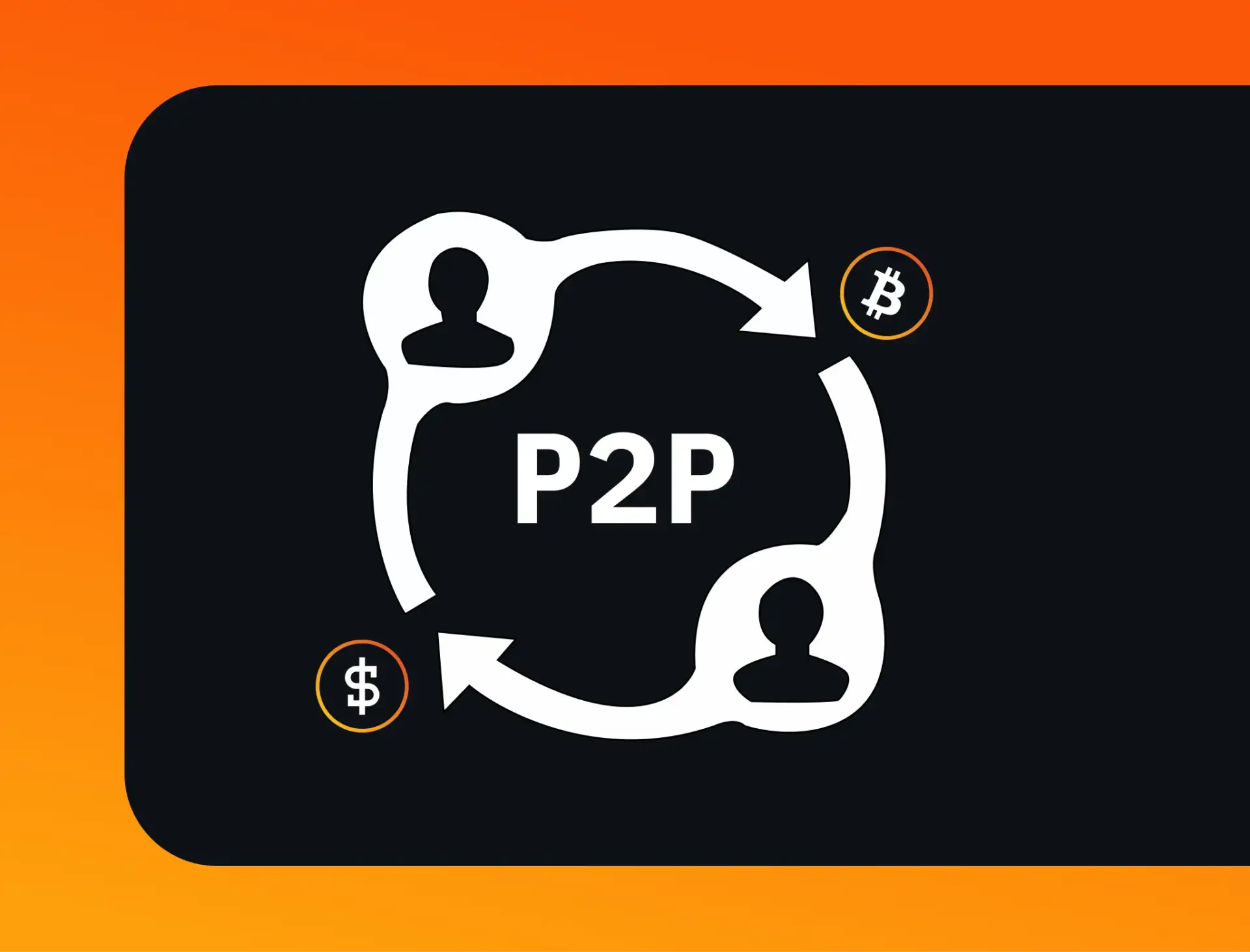
In Nigeria, where the naira depreciated over 40% in Q1 2025, citizens are using USDT on peer-to-peer (P2P) platforms like Binance and KuCoin to hold value and transact outside the formal banking system.
This grassroots adoption shows how blockchain is fighting inflation in emerging economies, enabling financial autonomy even when local systems falter.
As of April 2025, Nigeria ranks among the top three countries for P2P crypto trading volume globally, according to Chainalysis.
Remittances Reinvented with Digital Dollars
Stablecoins are also transforming cross-border remittances, allowing families to send and receive money in minutes at a fraction of traditional costs.
In countries like Venezuela and Ghana, stablecoins serve as a de facto dollarization shield, letting users hold digital dollars even without access to a bank account.
These crypto-native tools are quietly stabilizing purchasing power across borders—another way how blockchain is fighting inflation in emerging economies is becoming a lived reality, not a distant idea.
The growing trust in stablecoins sets the stage for broader blockchain-based financial tools.
As we move forward, smart contracts and DeFi are poised to deepen this impact, offering programmable alternatives to legacy banking.
Transparent, Tamper-Proof Ledgers Reduce Corruption
Fiscal Opacity Fuels Inflation
In many emerging markets, inflation isn’t just the result of economic cycles—it’s often rooted in opaque government spending.
When public funds disappear into poorly audited budgets, the pressure to print money intensifies, weakening currencies and worsening inflation.
This is how blockchain is fighting inflation in emerging economies by making public finance more visible and traceable.
Blockchain in Public Sector Transparency
Blockchain’s immutable ledgers allow for transparent tracking of financial flows, helping governments and watchdogs ensure accountability.
A clear example is Ukraine’s Diia app, which integrated blockchain in 2024 to oversee the disbursement of international aid.

By allowing citizens and NGOs to verify fund distribution in real-time, Ukraine minimized leakage and misuse during wartime crises.
In Brazil, blockchain was adopted post-COVID to track emergency relief.
Every transaction involving public funds was recorded on-chain, enabling authorities to pinpoint bottlenecks and misappropriations.
This level of transparency is rare in traditional systems and marks a turning point in how blockchain is fighting inflation in emerging economies through institutional reform.
Visibility Restores Public Trust
By reducing corruption and increasing trust in fiscal processes, blockchain helps stabilize public expectations and investor sentiment.
When citizens believe their governments are accountable, panic-induced spending or currency dumping slows mitigating inflation from the demand side. It’s a structural fix, not just a monetary one.
As we transition to the next section, it becomes even more evident that the failures of traditional banking systems are driving demand for open, programmable finance.
Decentralized Finance (DeFi) vs. Broken Banking Systems
When Banks Fail, DeFi Steps In
In many emerging economies, access to reliable banking is a luxury. High fees, limited credit access, and corrupt institutions leave millions financially stranded.
How blockchain is fighting inflation in emerging economies is increasingly visible through decentralized finance (DeFi), which offers savings, lending, and even micro-insurance with no bank required.
Kenya’s USDC Savings Surge
In Kenya, locals are using DeFi platforms like Goldfinch and Aave to access yield-bearing savings accounts in USDC, earning stable returns far above local bank interest rates which are often under 2% annually.
By holding assets pegged to the U.S. dollar, users shield their savings from local currency devaluation.
This is a clear example of how blockchain is fighting inflation in emerging economies, giving everyday people tools that preserve and even grow value.
A People-Powered IMF Alternative
DeFi is becoming a kind of grassroots IMF alternative but without political strings or austerity measures.
Protocols offer borrowing, lending, and liquidity in stablecoins giving small business owners and families in places like Ghana, Zambia, and the Philippines a chance to access capital without the red tape.
This shift represents a bottom-up financial revolution, and yet another layer of how blockchain is fighting inflation in emerging economies by decentralizing opportunity.
Proceeding with Caution
Of course, DeFi is not without risks. Smart contract vulnerabilities, rug pulls, and regulatory gaps have led to losses.
But communities are learning with Telegram groups, YouTube channels, and WhatsApp circles now serving as grassroots financial literacy hubs. The tools may be new, but the hunger for sovereignty is age-old.
As DeFi strengthens financial independence, the next step is gaining access to real-world assets secured on the blockchain.
Tokenized Real-World Assets (RWAs) and Inflation Protection
Turning Bonds and Commodities into Borderless Assets
In 2025, tokenized real-world assets (RWAs) like U.S. Treasury Bills, gold, and commodities have become increasingly available to retail investors in emerging markets.
Platforms such as Ondo Finance and Maple are leading this movement, allowing users in Latin America and Africa to tap into traditionally exclusive, low-risk financial instruments.
This evolution marks a new phase in how blockchain is fighting inflation in emerging economies, by offering access to assets that preserve value over time.
Low-Risk Yields, No Middlemen
By tokenizing T-bills, these platforms allow individuals to invest in dollar-denominated, inflation-beating returns without relying on unstable banks or foreign brokers.
For example, Ondo’s U.S. Treasury-backed tokens yield around 4.8% annually, offering significantly more stability than holding volatile local currencies.
This is another strong illustration of how blockchain is fighting inflation in emerging economies, enabling citizens to grow and protect wealth through decentralized access to global financial markets.
Monetary Access for the Masses
Perhaps the most transformative impact lies in accessibility.
With just a smartphone and a stablecoin wallet, users in Ghana or Venezuela can now hold fractional ownership of U.S. government debt which was something unthinkable a decade ago.
How blockchain is fighting inflation in emerging economies isn’t just about cryptocurrency; it’s about democratizing financial tools that were once reserved for institutional players.
As tokenized RWAs broaden financial inclusion, another form of digitized money is gaining traction, one backed not by code, but by central banks themselves.
CBDCs and the Inflation Debate
The Promise and Paradox of State-Backed Digital Currencies
Central Bank Digital Currencies (CBDCs) represent a government’s attempt to modernize money using blockchain.
They aim to improve financial inclusion, reduce transaction costs, and digitize cash economies. On paper, this aligns with how blockchain is fighting inflation in emerging economies, by providing faster, more transparent financial infrastructure.
Control vs. Decentralization
However, CBDCs still rely on centralized control—meaning governments can issue more currency at will. This weakens their ability to act as a hedge against inflation.
Unlike permissionless blockchains, which enforce fixed supply rules through code, CBDCs are still subject to political influence and expansionary monetary policies.
This tension defines a key difference in how blockchain is fighting inflation in emerging economies not through state-issued tokens, but through open systems that limit inflation by design.
Nigeria: A Real-World Test Case
Take Nigeria’s eNaira, launched in 2021 to promote digital inclusion. By 2025, adoption remained sluggish, with usage below 2%, according to the Central Bank of Nigeria.
Meanwhile, USDT continues to dominate P2P crypto markets, offering Nigerians a dollar-pegged, stable alternative that avoids naira volatility.
This stark contrast underscores how blockchain is fighting inflation in emerging economies by offering real, functional alternatives where government-led solutions fall short.
Still, technology alone isn’t enough. For blockchain to truly redefine monetary access, users need to understand how to navigate it safely.
Education and Onboarding: The Final Frontier
Why Access Means Nothing Without Understanding
Even the most powerful blockchain tools are useless without digital literacy. In many emerging markets, the gap isn’t just financial, it’s educational.
How blockchain is fighting inflation in emerging economies depends heavily on whether people know how to use wallets, manage keys, and avoid scams. Without onboarding, decentralization remains a concept, not a solution.
Grassroots Learning in 2025
Fortunately, global initiatives are tackling this head-on. Binance Academy expanded its local-language training programs across Francophone Africa in 2025, reaching thousands through community-led workshops.
Meanwhile, the Ethereum Foundation-funded Web3 education in India and the Philippines, focusing on blockchain basics, stablecoins, and DeFi tools.
These efforts are crucial for scaling how blockchain is fighting inflation in emerging economies, by turning passive users into empowered participants.
Tech That Meets Users Where They Are
Onboarding isn’t just about content, it’s about tech design. Mobile-first, low-fee blockchains like Solana and Celo are playing a critical role by enabling fast, cheap transactions on basic smartphones.
In regions where a $1 gas fee is a deal-breaker, these ecosystems make blockchain genuinely accessible.
This accessibility is another way how blockchain is fighting inflation in emerging economies and becomes sustainable not just possible, but practical.
As adoption grows, however, so do potential pitfalls.
Challenges and Risks to Watch
Scalability and Cost Barriers
While blockchain offers a decentralized path forward, technical limitations still hinder adoption.
High-traffic chains like Ethereum often face network congestion and gas fees that spike during peak demand sometimes exceeding $20 per transaction.
For users in low-income regions, this directly contradicts the promise of affordable finance.
These issues challenge how blockchain is fighting inflation in emerging economies, especially when cost becomes a barrier to access.
Regulatory Uncertainty
Another major hurdle is the shifting regulatory landscape. Governments in countries like India, Turkey, and Nigeria have vacillated between supporting, restricting, or outright banning crypto-related activity.
Such uncertainty discourages innovation and user trust.
When policies are unclear or hostile, it limits the impact of how blockchain is fighting inflation in emerging economies by pushing users back toward unstable fiat systems or black-market solutions.
Stablecoin Trust and Transparency
Stablecoins are often seen as safe havens, but they’re not immune to risk.
Projects lacking transparency like TerraUSD’s infamous collapse in 2022 remind users that not all pegged assets are created equal.
A stablecoin depeg in a hyperinflationary environment could wipe out savings overnight.
This risk makes trust in reserves and audits essential to ensuring how blockchain is fighting inflation in emerging economies and holds up under pressure.
Mitigation Through Education and Reputable Platforms
Despite these risks, solutions exist. Platforms like Circle (USDC) and Celo emphasize transparency, compliance, and resilience.
Meanwhile, education programs continue to teach users how to assess project credibility and safeguard assets.
When paired with smart navigation, these measures reduce vulnerabilities and protect those relying on blockchain for financial stability.
Understanding these risks doesn’t diminish the blockchain’s promise but it refines it.
Conclusion: Blockchain’s Inflation Revolution Is Local First
Blockchain won’t fix broken economies overnight, nor is it a silver bullet for inflation. But as a decentralized, borderless, and programmable financial infrastructure, it offers real solutions especially when deployed from the ground up. In community markets, informal remittance corridors, and mobile wallets, how blockchain is fighting inflation in emerging economies is already visible.
From stablecoins shielding savings to DeFi replacing broken banks, and public ledgers holding governments accountable, blockchain is equipping everyday people with tools to resist currency erosion. Its strength lies in accessibility, not abstraction.
In a world where centralized systems fail to deliver monetary stability, blockchain provides a new path that is global in reach, but local in impact. This is how blockchain is fighting inflation in emerging economies: through access, transparency, and grassroots empowerment.
Frequently Asked Questions (FAQs)
What are the best blockchain tools for inflation protection?
Stablecoins (USDT, USDC, cUSD), DeFi platforms (Aave, Goldfinch), and tokenized asset protocols (Ondo Finance, Maple) offer inflation-resistant savings and access to global markets.
How do stablecoins help in hyperinflation?
Stablecoins hold their value against stronger currencies like the U.S. dollar, helping users avoid local currency collapse and preserve purchasing power.
Which countries use blockchain the most to fight inflation?
Nigeria, Argentina, Venezuela, Turkey, and Kenya see strong blockchain adoption as citizens turn to crypto tools to escape inflation and access stable assets.