
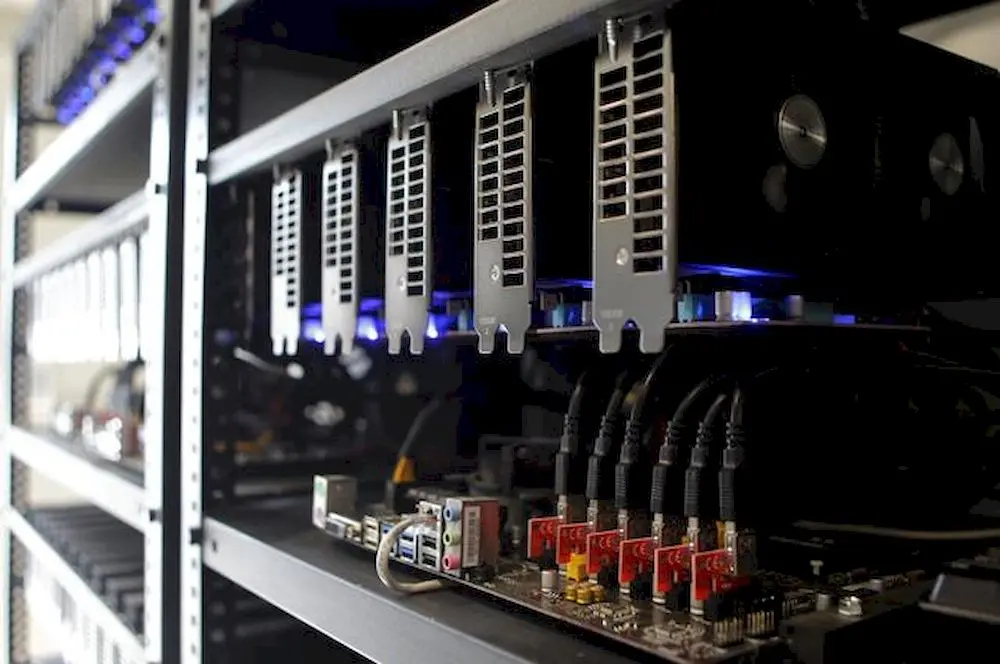
Illegal crypto mining is on the rise in Malaysia as unclear regulations and enforcement gaps create opportunities for unauthorized operations to flourish.
Illegal mining and a lack of regulations restrict Malaysia’s ability to profit from cryptocurrency mining.
Industry research published by the Access Blockchain Association of Malaysia suggests that a lack of legal clarity, uneven laws, and widespread electricity theft by illicit miners could discourage Malaysia from utilizing the potential of cryptocurrency mining.
Notwithstanding its advantageous position, expanding technology sector, and proficiency in Shariah-compliant financing, the report recommends that Malaysia address several internal issues to capitalize on the profits from cryptocurrency mining.
Illegal crypto miners’ parallel economy
Between 2020 and September 2024, Tenaga Nasional Berhad (TNB), a multinational electrical provider based in Malaysia, lost 441.6 million Malaysian ringgit ($104.2 million) due to electricity theft, which it mostly blamed on illicit Bitcoin mining, which totaled $106,860. Between 2018 and 2021, losses totaled 2.3 billion ringgit.
To access the money lost to unauthorized cryptocurrency mining, the research emphasized Malaysia’s “latent demand” and the necessity of a controlled, incentive-driven environment:
“Formalizing this (illegal mining) activity would transform stolen energy into legitimate revenue for TNB and generate taxable income for the government.”
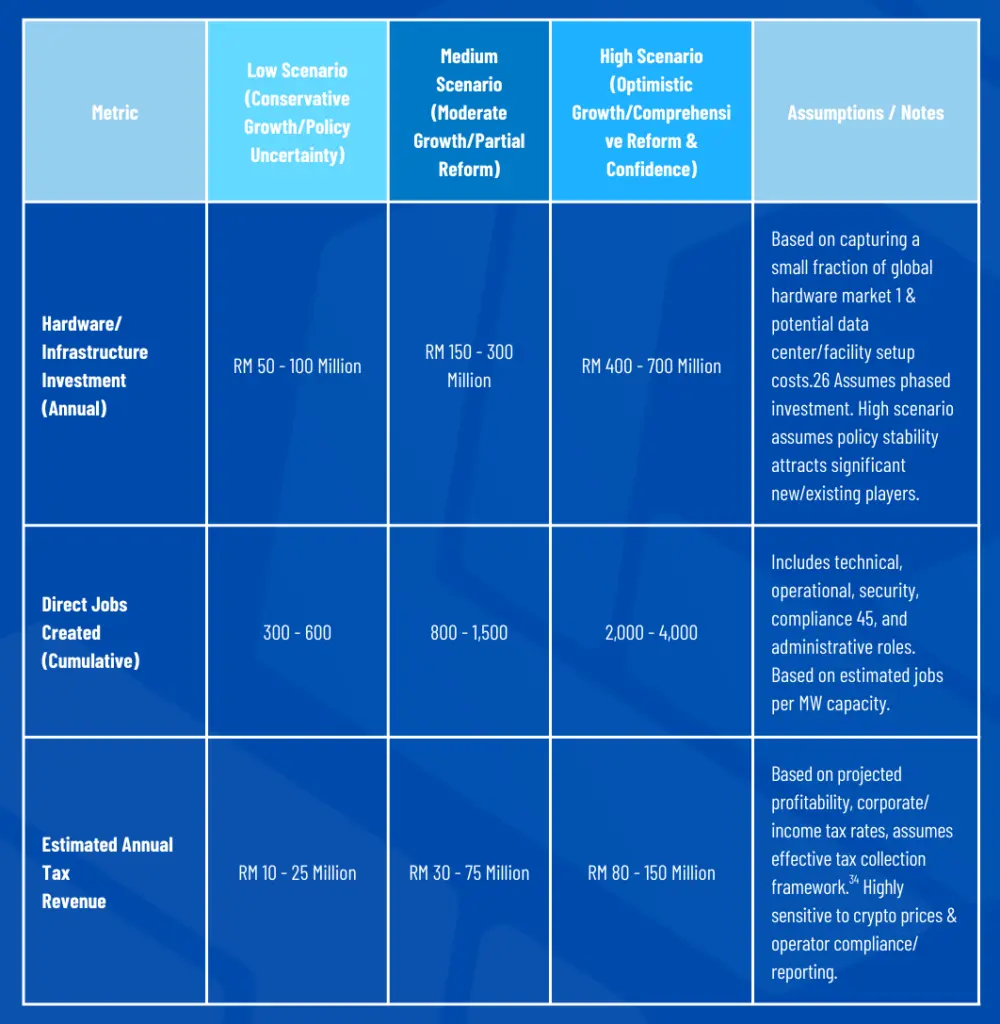
(Note: Values are illustrative and depend heavily on policy implementation, operator confidence, and market conditions)
According to the analysis, if Malaysia can onboard some of the illicit operators to metered connections, it can generate a steady stream of multimillion-dollar income from cryptocurrency mining.
Legal miners work in the background.
The investigation discovered that there are already several medium- and large-scale legal operators in Malaysia, despite the government’s prior assumption that there were few legal cryptocurrency miners. However, they avoid the spotlight because of worries about physical theft, hacks, and abrupt regulation changes.
Companies like Hatten Land have started looking into above-ground mining infrastructure, forming alliances with Frontier Digital Asset Management and Hydra X in Melaka. According to the study, “businesses such as Hatten Land have already indicated collaborations involving thousands of rigs.”
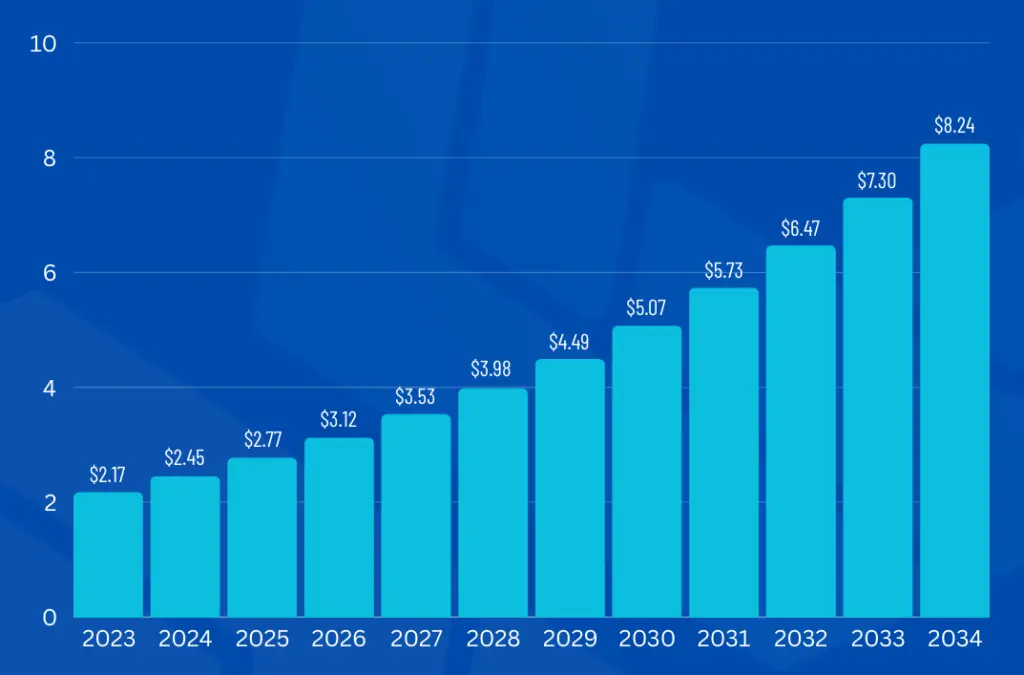
Malaysia is in a good position to take advantage of the almost $3 billion cryptocurrency mining sector because of its robust internet access and plentiful electricity. The Securities Commission, which currently oversees cryptocurrency exchanges, does not have a mining-specific structure.
The report states that Malaysia contributes between 2.5% and 3% of Bitcoin mining, placing it seventh to eighth in the world by hash rate.
Some of the policy recommendations are the development of Shariah-compliant mining models, the introduction of green pricing programs, the closure of legal gaps related to electricity theft, and the creation of a mining-specific license.