
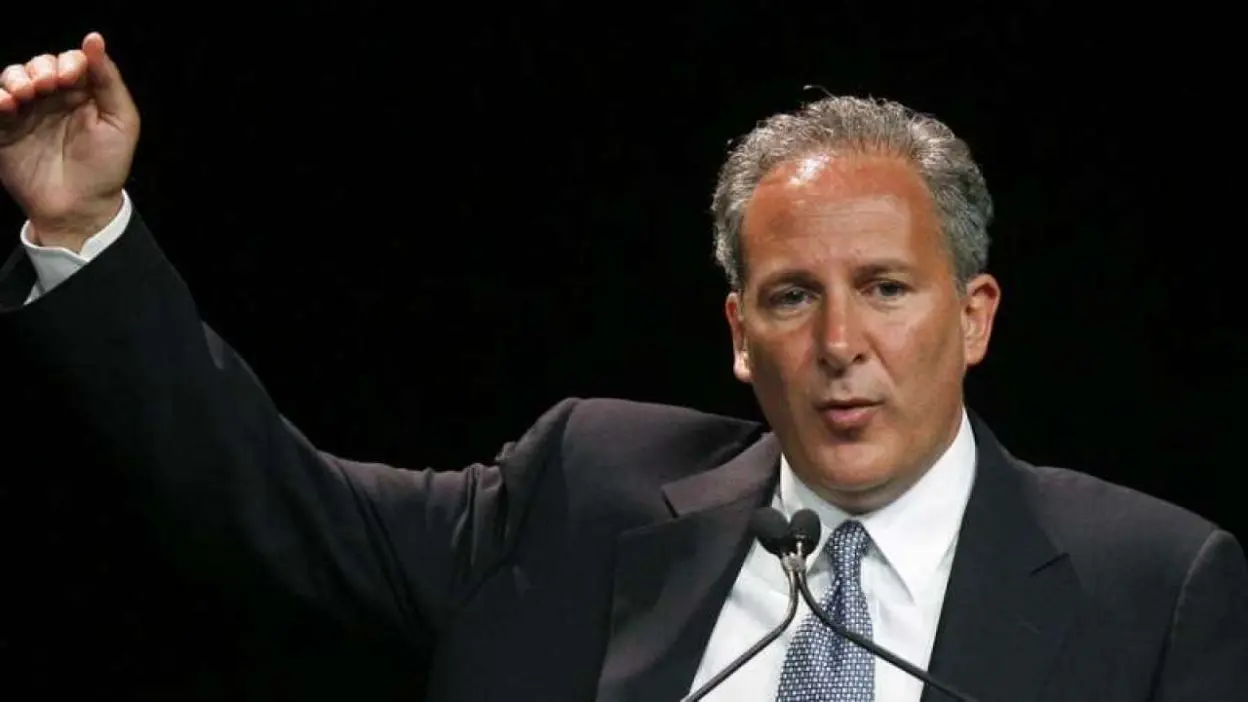
Peter Schiff criticizes stablecoins as the Senate debates the GENIUS Act, which may ban yield-bearing tokens, aiming to regulate the $250B market.
An economist and gold advocate, Peter Schiff, has expressed dissatisfaction with the growing prevalence of stablecoins in the United States. His comments coincide with the Senate’s ongoing discussions regarding the GENIUS Act, a proposed stablecoin bill. One of the most contentious issues in the bill is the permissibility of yield-bearing stablecoins under U.S. regulation.
Peter Schiff Issues a Warning Regarding Stablecoin During the Stablecoin Bill Debate
In a post published on X, Peter Schiff asserted that U.S. dollar stablecoins “will not contribute to the U.S. economy or finance the U.S. government’s escalating deficits.” He further stated that “the primary application of stablecoins will be as trading pairs with other crypto tokens, primarily Bitcoin.” Schiff underscored that stablecoins are intended to increase the amount of money in a “crypto casino” rather than to enhance the financial system.
Peter Schiff’s censure of cryptocurrency-related products has been consistent. He reiterated that they would generate new hazards while eliminating capital from conventional financial systems.
His statement is made in the context of the GENIUS Act, a stablecoin measure that could prohibit interest-bearing stablecoins and regulate issuers. Peter Schiff favors those who contend that stablecoins are not advantageous to the economy and should not provide interest returns, as he perceives them as an additional incentive for speculation.
Debate Surges Regarding Yield-Bearing Stablecoins in the GENIUS Act
As per the GENIUS Act, all stablecoins must be entirely backed by cash or U.S. Treasury assets and subject to stringent regulatory standards. One of its most contentious provisions is prohibiting stablecoins that pay interest or yield a return. The moratorium is supported by some Democrats and bank lobbyists, who argue that it would safeguard depositors and prevent unfair competition with traditional banks.
During an interview on Squawk Box, Senator Bill Hagerty, who assisted in the legislative leadership of the Senate, provided his perspective on the matter. He declared, “The world will adhere to the high standard for enforcement and definition if we establish a high standard.”
He acknowledged that no stablecoin currently in existence entirely complies with the proposed stablecoin legislation; however, he maintained that the bill is intended to safeguard the dollar’s global role and provide clarity.
Hagerty stated that stablecoins would be required to adhere to stringent U.S. standards if they were to offer interest when inquired about the possibility. He observed, “If the Trump coin can meet that definition, so be it,” demonstrating a willingness to consider innovation as long as regulations are adhered to.
Critics argue that the prohibition of yield could result in offshore innovation relocation
Although Peter Schiff is wholly opposed to stablecoins, numerous individuals in the crypto industry are apprehensive that prohibiting yield-bearing versions would incite issuers and users to relocate abroad. These detractors contend that if foreign stablecoin issuers can provide yield, U.S.-based products would lose their competitive edge, thereby falling behind Donald Trump’s vision of the United States as a leader in the crypto industry.
Austin Campbell, a professor at NYU, cautioned that offshore products would rapidly surpass those manufactured in the United States. He observed that stablecoins that yielded interest outside the United States would continue to draw users, while those that yielded interest within the country would be restricted. Omid Malekan, a professor at Columbia Business School, also stated that the prohibition of yield does not halt interest income; rather, it merely prevents American users from receiving it.
The GENIUS Act is currently being reviewed in the Senate, and legislators are deliberating potential amendments in light of this development. The Stablecoin bill’s prospects may be influenced by two proposals: one that would limit credit card interest rates and another that would modify interchange fees.