
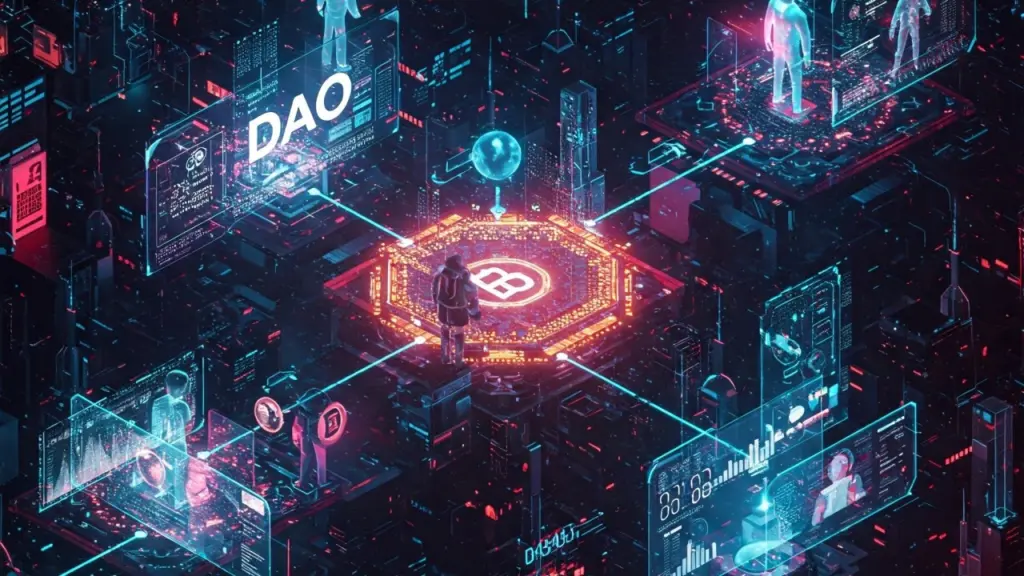
The DAO Revolution is transforming the way organizations operate, replacing traditional hierarchies with decentralized, community-driven decision-making
Governed via smart contracts, a Decentralized Autonomous Organization (DAO) is a blockchain-based entity whereby stakeholders vote on ideas without centralized control. The DAO Revolution is a movement altering business structures, funding sources, and digital collaboration in 2025—more than simply an idea. DAUs are demonstrating their promise in banking, governance, and other fields as blockchain acceptance explodes.
Their increasing impact and the reasons behind their expected transformation of the world economy are investigated in this article.
The Evolution of DAOs
Years of preparation have gone into the DAO Revolution, which started as experimental blockchain projects and is now a potent tool changing government.
Blockchain technology first emerged and Decentralized Autonomous Organizations (DAOs) started their path with the advent of smart contracts in 2015 especially with Ethereum’s debut.
These self-executing agreements created the foundation for a new organizational model by letting distributed communities make decisions free from middlemen.
Historical Background and Early Developments
Launching “The DAO” in 2016 marked the first significant turning point in The DAO Revolution—one of the first and most ambitious initiatives at distributed governance.
Designed on Ethereum, it sought to operate as a distributed venture capital fund where token holders would make decisions together on investments.
But a critical flaw let millions of ETH be drained and the Ethereum network to hard fork, producing Ethereum (ETH) and Ethereum Classic (ETC).
Though divisive, this event helped DAOs grow more strong and safe.
Key Milestones Leading Up to 2025
Over the years, DAOs have matured significantly, with key milestones accelerating The DAO Revolution:
- 2017-2019: The emergence of MakerDAO, which pioneered decentralized finance (DeFi) governance, demonstrating that DAOs could successfully manage financial protocols.
- 2020-2021: The rise of DeFi and NFTs saw DAOs governing platforms like Uniswap, Aave, and PleasrDAO, influencing decentralized finance and digital art ownership.
- 2022-2024: Legal recognition of DAOs in places like Wyoming, U.S., and Australia, giving them corporate legitimacy and expanding their real-world applications.
- 2025: DAOs are now integrated into mainstream business models, revolutionizing everything from corporate governance to political movements.
Notable DAOs Influencing Governance Models
Several DAOs have played a crucial role in shaping decentralized governance:
- MakerDAO: A leading DeFi DAO managing the DAI stablecoin through community voting.
- Uniswap DAO: Governs the Uniswap protocol, one of the largest decentralized exchanges (DEXs).
- Gitcoin DAO: Funds open-source projects, demonstrating the power of decentralized grant funding.
- CityDAO: Experiments with blockchain-based land ownership, showcasing how DAOs can influence real estate.
DAOs Redefining Governance Structures
The DAO Revolution is challenging conventional governance by replacing centralized hierarchies with decentralized, transparent, and community-driven models.
Unlike traditional organizations that rely on CEOs, boards, and bureaucratic structures, Decentralized Autonomous Organizations (DAOs) operate on blockchain-based smart contracts, allowing token holders to participate in decision-making.
This shift is democratizing governance, reducing inefficiencies, and increasing trust in financial and corporate systems.
Traditional Governance vs. DAO-Based Models
In traditional organizations, decision-making is top-down, with executives and board members holding the majority of power.
This structure often leads to slow decision-making, a lack of transparency, and potential conflicts of interest.
Employees and stakeholders have little influence over major corporate actions, and corruption or mismanagement can go unchecked.
In contrast, The DAO Revolution introduces a flat, decentralized governance model where decisions are made through token-based voting mechanisms.
Smart contracts execute agreed-upon actions automatically, eliminating the need for intermediaries.
This ensures greater transparency, faster execution, and collective decision-making, fostering a fairer and more efficient system.
Advantages of Decentralized Decision-Making
The rise of DAOs brings several key benefits:
- Transparency: Every transaction and decision is recorded on the blockchain, ensuring accountability.
- Inclusivity: Any token holder can participate in governance, making decision-making more democratic.
- Efficiency: Automated smart contracts remove bureaucratic delays and human inefficiencies.
- Security: Decentralization minimizes risks of corruption and single points of failure.
- Community-Driven Innovation: Unlike traditional companies that prioritize shareholder profit, DAOs often focus on long-term sustainability and community interests.
Technological Advancements Fueling The DAO Revolution
Modern technology developments improving openness, security, and efficiency in distributed governance propel the DAO Revolution.
Blockchain and smart contracts—which automate decision-making and remove the need for middlemen—are the foundation of Decentralized Autonomous Organizations (DAOs).
But the development of DAOs goes beyond blockchain and includes artificial intelligence (AI), machine learning (ML), and sophisticated systems strengthening and scalability of autonomous governance.
The Role of Blockchain and Smart Contracts in DAO Operations
The DAO Revolution’s foundation is blockchain technology, a distributed, unchangeable ledger guaranteeing security and openness.
Unlike conventional companies where decisions are sometimes taken behind closed doors, DAOs use smart contracts—self-executing agreements written on the blockchain—to execute governance activities.
By automatically enforcing rules, distributing money, and running proposals depending on community votes, these agreements minimize human intervention and lower corruption concerns.
Because of its smart contract features, Ethereum is still the most often used blockchain for DAOs; yet, other blockchains such Solana, Polkadot, and Cardano are starting to show up with faster transaction speeds and cheaper rates.
These developments are making DAO governance more easily available to a worldwide audience and efficient.
Integration of Artificial Intelligence and Machine Learning
By improving governance systems and decision-making, the integration of artificial intelligence and machine learning is hastening The DAO Revolution.
Processing enormous volumes of data, AI-powered analytics may find voting trends, forecast government policies, and point up possible hazards.
By examining past governance decisions and proposing equitable results, machine learning techniques can also automatically resolve conflicts.
AI-driven governance assistants, for instance, support DAO members in comprehending ideas, compiling important points of view, and even suggesting ideal voting techniques grounded on historical performance.
This lessens the usual problem of members trying to keep up with regular proposals: governance tiredness.
Furthermore enhancing DAO election integrity is the ability of AI-powered bots to identify and stop fraudulent behavior such Sybil attacks or vote manipulation.
Emergence of New Platforms and Tools Enhancing DAO Functionalities
New platforms and tools are continuously emerging to strengthen DAO operations and make governance more accessible. Some of the most significant advancements include:
- Aragon and DAOstack: These platforms provide user-friendly frameworks for launching and managing DAOs, allowing communities to set up decentralized organizations without deep technical expertise.
- Snapshot: A gasless voting system that enables DAOs to conduct off-chain governance votes, reducing transaction costs while maintaining security.
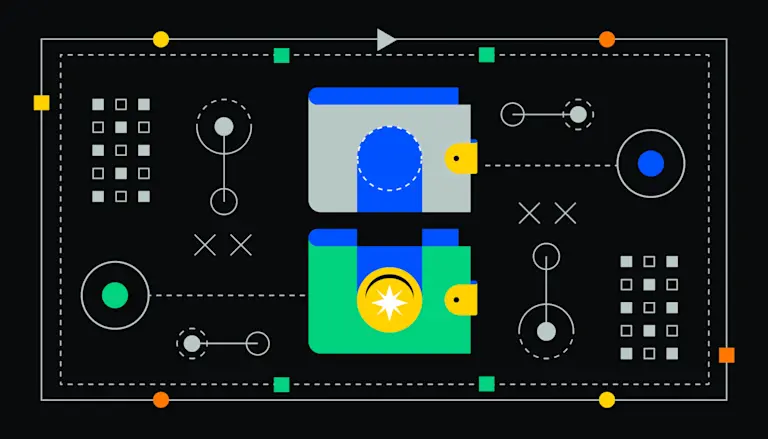
- Gnosis Safe: A multi-signature wallet solution ensuring that DAO treasury funds are securely managed, requiring multiple approvals before transactions are executed.
- Colony and Orca Protocol: These platforms introduce modular DAO structures, where different teams (sub-DAOs) operate independently while remaining connected to a larger organization. This enhances scalability and governance efficiency.
Legal and Regulatory Challenges in The DAO Revolution
The DAO Revolution is redefining governance, but its rapid growth has raised significant legal and regulatory challenges.
As DAOs operate without traditional corporate structures, governments worldwide struggle to classify and regulate them.
The absence of clear legal definitions has led to uncertainties regarding liability, taxation, and compliance.
While some jurisdictions have embraced DAOs, others remain cautious or even restrictive, making regulatory clarity a key issue in 2025.
Current Legal Status of DAOs Across Different Jurisdictions
The legal treatment of DAOs varies globally, with some regions providing formal recognition while others impose strict regulations:
United States
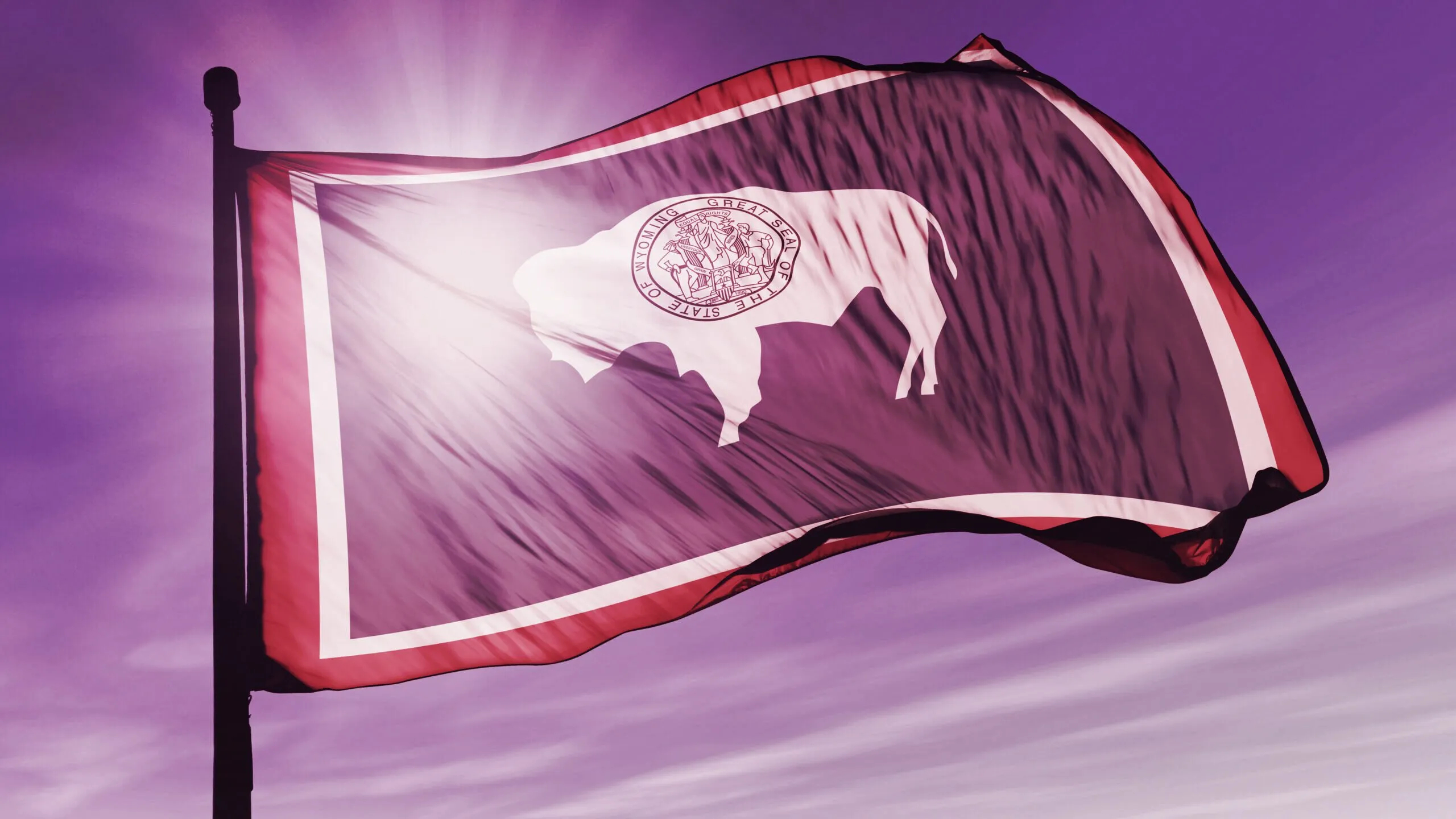
Wyoming became the first U.S. state to recognize DAOs as legal entities, allowing them to register as Limited Liability Companies (LLCs). However, other states and federal regulators remain skeptical, particularly regarding securities laws and anti-money laundering (AML) compliance.
European Union
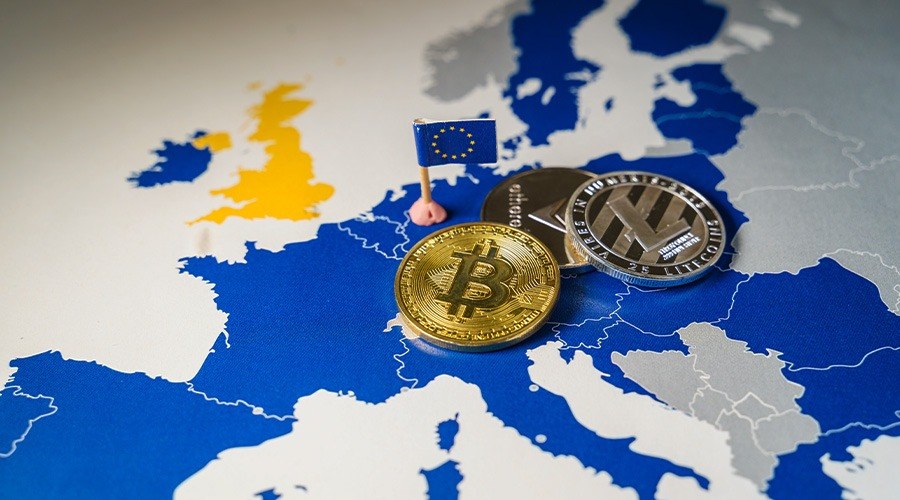
The EU is taking a cautious approach, with DAOs potentially falling under the Markets in Crypto-Assets (MiCA) Regulation and General Data Protection Regulation (GDPR). However, no uniform framework exists across all member states.
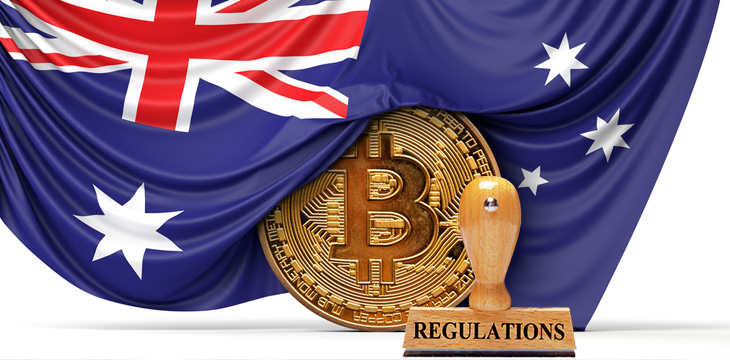
Australia
Australia has explored recognizing DAOs as legal corporate entities, with proposals to integrate them into existing business laws.
Asia
Countries like Singapore and Japan have created friendly regulatory environments for blockchain-based organizations, but China maintains a strict stance against decentralized finance (DeFi) and DAO-related activities.
As The DAO Revolution gains momentum, regulators are under increasing pressure to establish clear guidelines that balance innovation with consumer protection.
Recent Court Rulings Impacting DAO Operations
Recent legal cases have set important precedents for DAOs:
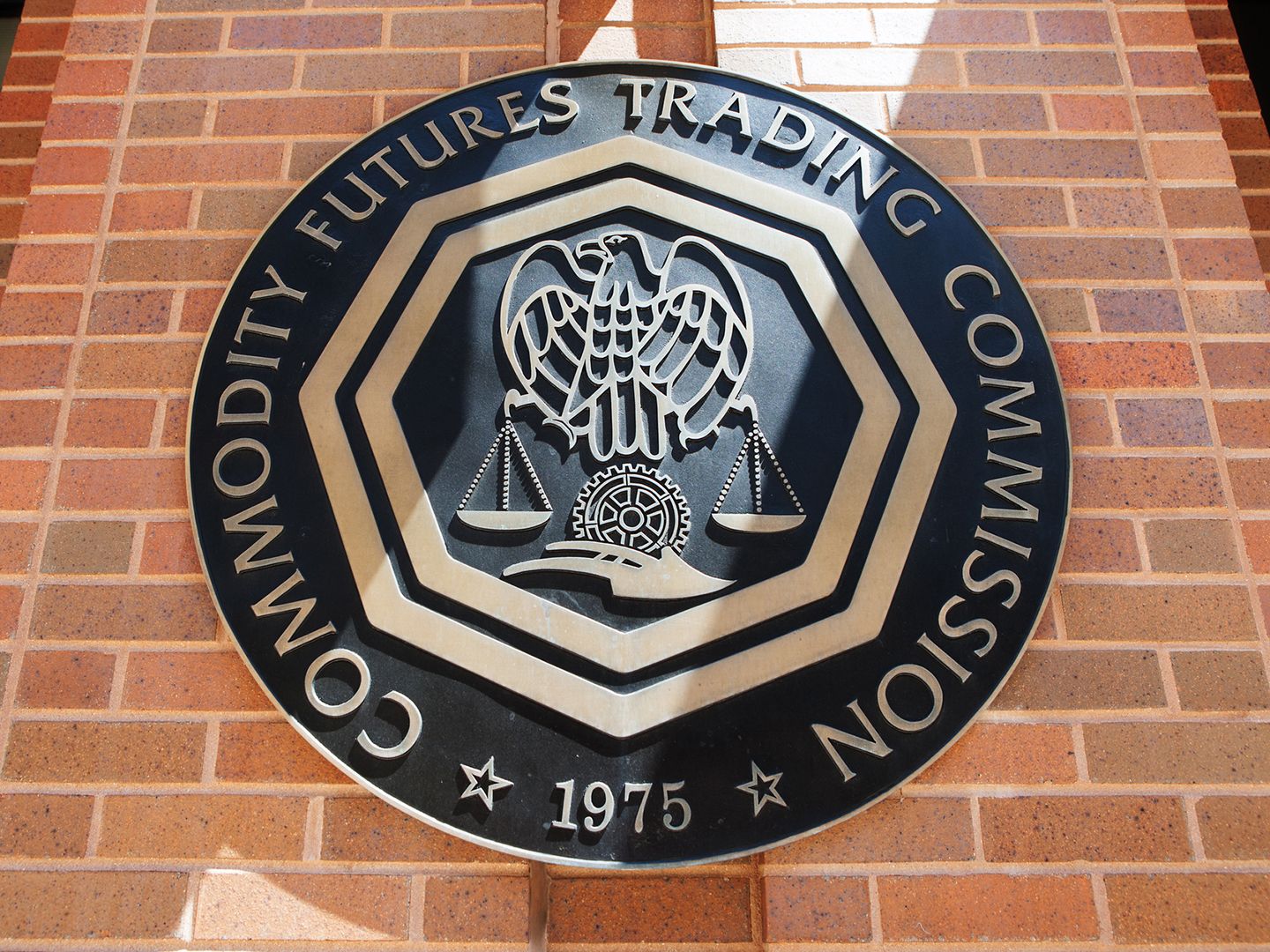
- CFTC vs. Ooki DAO (2022-2023): The U.S. Commodity Futures Trading Commission (CFTC) took legal action against Ooki DAO, arguing that token holders could be held liable for regulatory violations. This ruling raised concerns about whether DAO participants could face personal liability despite the decentralized nature of governance.
- SEC vs. DAOs Offering Tokens: The U.S. Securities and Exchange Commission (SEC) has increasingly scrutinized DAOs that issue governance tokens, questioning whether they qualify as securities under the Howey Test. If deemed securities, DAOs could face strict registration and reporting requirements.
- Jurisdictional Issues: Courts worldwide are debating whether DAOs should be treated as legal entities or as loose collectives of individuals. Without clear legal personhood, DAOs may struggle to enforce contracts, open bank accounts, or engage with traditional financial systems.
These rulings highlight the urgent need for legal clarity as The DAO Revolution continues expanding into mainstream industries.
Efforts Towards Establishing Clear Regulatory Frameworks
Governments and industry leaders are working to create structured regulations for DAOs:
- Wyoming DAO Legislation (2021-Present): Wyoming’s DAO LLC law serves as a model for other jurisdictions, offering DAOs limited liability protection while ensuring compliance with state laws.
- EU’s Digital Finance Strategy: The European Union is considering integrating DAOs into its broader digital finance regulations, ensuring that decentralized organizations can operate within a structured legal framework.
- Self-Regulatory Efforts: Some DAOs are proactively implementing Know Your Customer (KYC) and AML measures to demonstrate compliance and gain regulatory trust.
- International DAO Standards: Organizations like the Blockchain Association and Global Blockchain Business Council are working on global DAO governance standards to help align regulations across multiple jurisdictions.
While challenges remain, efforts to regulate The DAO Revolution are evolving rapidly. By 2025, clearer legal frameworks could provide the stability needed for DAOs to operate confidently in global markets.
However, achieving a balance between decentralization and legal accountability remains one of the most pressing debates in the blockchain space.
DAOs in Public Sector Governance
The DAO Revolution is extending beyond private organizations and decentralized finance (DeFi) into the realm of public sector governance.
Governments worldwide are exploring how Decentralized Autonomous Organizations (DAOs) can enhance transparency, accountability, and citizen participation in decision-making.
By leveraging blockchain technology and smart contracts, DAOs offer a new governance model that could reduce bureaucracy, streamline public services, and increase trust in governmental institutions.
Adoption of DAO Principles in Governmental Processes
Traditional governance structures often suffer from inefficiencies, corruption, and lack of citizen engagement.
The DAO Revolution introduces a decentralized alternative where decision-making is more transparent and inclusive. Some governments are experimenting with DAO-like mechanisms for public services, budgeting, and voting systems.
For example, Estonia has pioneered e-Governance, digitizing government services and laying the groundwork for potential DAO integration.
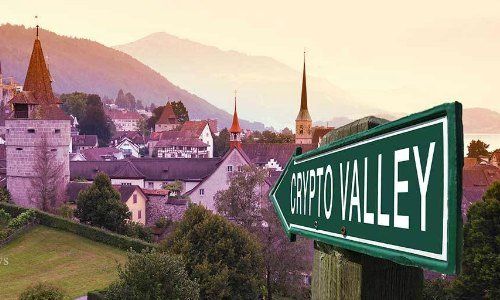
Similarly, Switzerland’s Zug “Crypto Valley” has explored blockchain-based voting systems, demonstrating how DAOs could facilitate direct democracy.
Governments can apply DAO principles in various areas:
- Public budgeting: Citizens could vote on government expenditures using blockchain-based governance systems.
- Legislation: Smart contracts could automate compliance and policy execution.
- Voting systems: DAO-based e-voting could enhance election security and transparency.
Examples of DAOs Influencing Public Policy and Administration
CityDAO (USA): A blockchain-based experiment in Wyoming that uses DAO governance to manage land ownership and urban development.

Ukraine DAO: Formed to raise cryptocurrency donations for humanitarian aid during geopolitical crises, showcasing how DAOs can mobilize decentralized funding for public causes.
Gitcoin Grants: A DAO-powered funding model that supports public goods projects, demonstrating how decentralized governance can allocate resources for social impact initiatives.
These examples highlight The DAO Revolution’s potential to decentralize governance and empower communities to take active roles in policymaking.
Potential Benefits and Challenges of DAOs in the Public Sector
Benefits:
- Enhanced transparency: Blockchain records all transactions and decisions, reducing corruption risks.
- Increased citizen engagement: DAO governance allows direct participation in policymaking.
- Efficient service delivery: Smart contracts automate bureaucratic processes, reducing delays and costs.
Challenges:
- Regulatory uncertainty: Governments may struggle to integrate DAOs within existing legal frameworks.
- Security risks: DAOs can be vulnerable to hacks, requiring robust cybersecurity measures.
- Scalability issues: Large-scale government adoption of DAOs requires significant technological infrastructure and public awareness.
Challenges and Criticisms of The DAO Revolution
The DAO Revolution has introduced a new paradigm in governance, emphasizing decentralization, transparency, and community-driven decision-making.
However, despite their potential, Decentralized Autonomous Organizations (DAOs) face significant challenges and criticisms.
Issues such as voting power concentration, security vulnerabilities, and concerns about effectiveness and scalability have raised doubts about whether DAOs can truly replace traditional governance models.
Issues Related to Voting Power Concentration and Governance
One of the core promises of The DAO Revolution is democratized decision-making, but in practice, governance structures often suffer from voting power centralization.
DAOs typically use token-based voting, where governance power is proportional to the number of tokens held. This system creates several issues:
- Wealth-Based Influence: Large token holders (often whales or venture capitalists) can dominate decision-making, reducing the influence of smaller stakeholders.
- Voter Apathy: Many DAO members do not participate actively in governance, leading to low voter turnout and allowing a small minority to control decisions.
- Bribery and Manipulation: Vote buying and governance attacks (such as Sybil attacks) have been reported in some DAOs, raising concerns about the integrity of decentralized governance.
To address these concerns, some DAOs are experimenting with quadratic voting, delegation models, and reputation-based governance, but these solutions are still in early stages.
Security Vulnerabilities and Past Incidents
Security remains one of the biggest threats to The DAO Revolution. Smart contracts are immutable and autonomous, which means vulnerabilities can be exploited irreversibly if not properly audited. Several high-profile security breaches have shaken confidence in DAOs:
- The DAO Hack (2016): One of the most infamous incidents in blockchain history, where a hacker exploited a vulnerability in the original DAO’s smart contract, draining $60 million worth of Ethereum. This event led to Ethereum’s controversial hard fork, splitting it into Ethereum and Ethereum Classic.
- bZx DAO Attack (2021): An exploit in a governance proposal led to the loss of millions of dollars, exposing flaws in DAO voting mechanisms and treasury management.
- Beanstalk Farms Hack (2022): A governance attack where a flash loan allowed a hacker to gain majority voting power, draining $182 million from the protocol.
These incidents highlight the need for robust smart contract audits, multi-signature security measures, and decentralized insurance mechanisms to protect DAO funds.
Critiques Regarding the Effectiveness and Scalability of DAOs
While DAOs offer a unique governance model, critics argue that they are inefficient and difficult to scale for complex decision-making. Some major concerns include:
- Slow Decision-Making: Unlike traditional companies where executives can make quick decisions, DAOs require community-wide voting, which can delay critical actions.
- Lack of Clear Leadership: The decentralized nature of DAOs can result in decision paralysis, where no one takes responsibility for execution.
- Scalability Issues: As DAOs grow, coordinating thousands of members across different time zones becomes increasingly difficult. Ensuring effective governance at scale remains an unsolved problem.
Conclusion
By adding distributed, open, community-driven decision-making processes, the DAO Revolution has profoundly changed government.
DAOs use smart contracts and blockchain technology to enable group governance, therefore lowering bureaucracy and improving efficiency unlike conventional hierarchical systems.
From public sector administration to distributed finance (DeFi), DAOs are transforming sectors by enabling people to take direct role in decision-making process.
Still major obstacles, meanwhile, are governance centralizing, security weaknesses, and scalability concerns.
Notwithstanding these challenges, constant innovation in voting systems, treasury administration, and smart contract security is progressively resolving these issues, so strengthening DAOs and increasing their flexibility.
Looking forward, The DAO Revolution is likely to change as technical developments improve its utility and regulatory systems get clearer.
Greater acceptance across sectors is probably driven by the combination of artificial intelligence, better governance frameworks, and more safe blockchain architecture.
The possibility for DAOs to build fairer and more efficient systems will keep increasing as more companies and even governments investigate distributed governance.
To guarantee that DAOs live up to their promise of a more transparent and distributed future, embracing this revolution calls for a balance of innovation, control, and responsible involvement.