
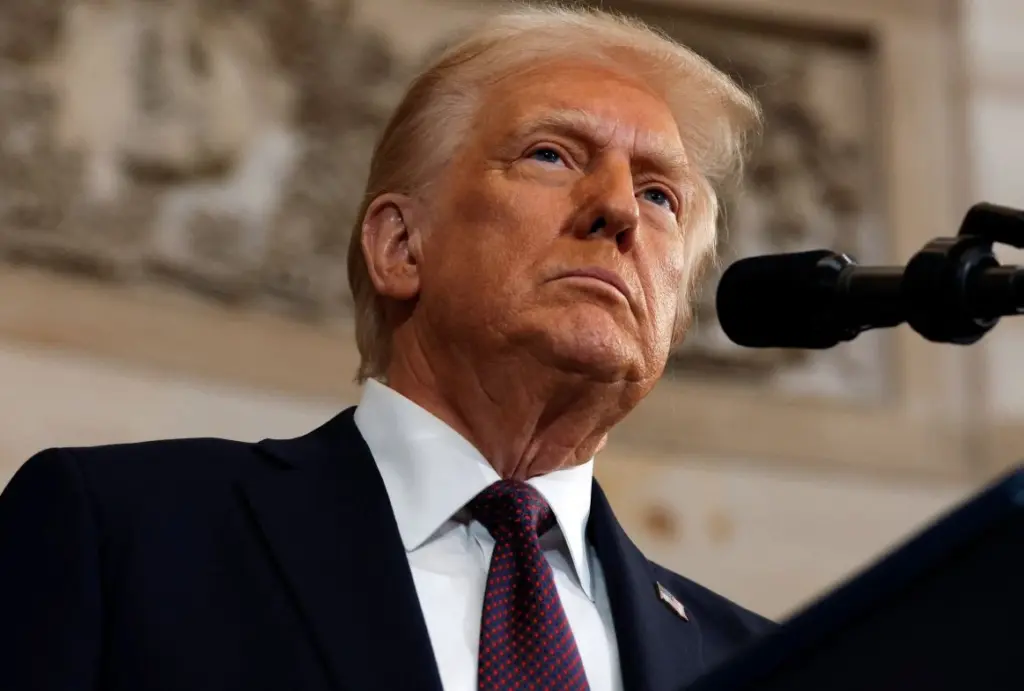
Regulatory clarity has emerged as a defining factor in crypto adoption worldwide, transforming an unregulated space into a more structured, accessible, and widely accepted industry.
The role of regulatory clarity has been debated and analyzed, particularly in light of Trump’s policies and initiatives.
The Significance of Regulatory Clarity in Cryptocurrency
Regulatory clarity is the establishment of clear, consistent, and comprehensive guidelines governing the use, trading, and development of cryptocurrencies and blockchain technologies.
It ensures that businesses, investors, and developers understand the legal framework under which they operate. By addressing issues such as taxation, compliance, and fraud prevention, regulatory clarity lays the foundation for the crypto ecosystem’s growth.
Impact on Industry
- Fostering Innovation: Clear regulations allow blockchain startups and developers to innovate without fear of unintentionally violating laws. This encourages the development of innovative technologies and solutions in fields like decentralized finance (DeFi), tokenized assets, and smart contracts.
- Attracting Institutional Investment: Well-defined rules make financial institutions more likely to invest in digital assets. Regulatory clarity lowers perceived risks, making it easier for institutional investors to enter the crypto market.
- Risk Reduction: Defined regulations combat fraudulent schemes and scams, providing greater security for retail investors. They also provide guidelines for resolving disputes and preventing market manipulation, thereby enhancing overall industry trust.
Challenges of Ambiguity
- Market Uncertainty: When regulations are unclear or contradictory, businesses struggle to plan and scale their operations. This uncertainty discourages long-term investment and slows down growth.
- Limited Institutional Participation: Without a clear framework, many traditional financial institutions are still hesitant to enter the crypto market, fearing compliance issues or reputational damage.
- Innovation Stifling: Ambiguous or overly restrictive regulations can unintentionally stifle innovation by placing unnecessary constraints on developers and businesses. Startups, in particular, may struggle to navigate the complexities of compliance in the absence of clear guidelines.
By addressing these issues, regulatory clarity not only paves the way for long-term growth in the crypto sector but also positions nations at the forefront of global blockchain innovation.
Trump’s Stance on Crypto and Blockchain Technology
Early Remarks:
President Donald Trump was initially skeptical of cryptocurrencies, particularly Bitcoin. In a widely publicized tweet from July 2019, Trump stated, “I am not a fan of Bitcoin and other Cryptocurrencies,” citing concerns about their ability to facilitate illegal activities and volatility.
His comments emphasized his preference for the US dollar as the dominant global currency, characterizing cryptocurrencies as a potential threat to financial stability and sovereignty.
Support for Blockchain Innovation
Despite his criticism of cryptocurrencies, the Trump administration recognized blockchain’s broader potential. Key areas of interest were:
- Supply Chain Management: Blockchain was explored as a tool for increasing transparency, traceability, and efficiency in global supply chains.
- Voting Systems: The administration saw blockchain’s secure and immutable ledger as a solution for secure electronic voting systems that prioritize transparency and fraud prevention.
- Digital Identity: Blockchain’s ability to streamline identity verification processes has received attention, with the potential to reduce fraud in areas such as immigration and public benefit distribution.
Contradictions and Criticism
Trump’s approach to cryptocurrency and blockchain was frequently viewed as contradictory.
While his administration encouraged blockchain innovation in non-financial sectors, critics claimed that the outright rejection of cryptocurrencies hampered the United States’ ability to compete in the rapidly evolving digital economy. For example:
- Bitcoin Criticism vs. Stablecoins: Trump’s criticism of decentralized cryptocurrencies like Bitcoin contrasted with his administration’s willingness to explore regulated stablecoins like the Digital Dollar.
- Missed Opportunities: Critics argue that a more balanced approach could have positioned the United States as a global leader in cryptocurrency adoption and blockchain innovation.
Trump’s mixed messages highlighted the tension between embracing technological innovation and preserving the traditional financial system, a dynamic that continues to shape US cryptocurrency policy today.
Regulatory Clarity in Trump’s Second-Term Crypto Initiatives
As Donald Trump resumes leadership in his second term, his administration’s approach to cryptocurrency is poised to have a significant impact on the regulatory landscape.
With the global adoption of digital assets and the growing demand for transparency in crypto markets, Trump’s crypto initiatives seek to provide regulatory clarity while balancing innovation and security.
Prioritizing Regulatory Clarity in Crypto
Regulatory clarity is the establishment of clear and consistent rules for crypto and blockchain technologies. This regulatory clarity ensures that businesses, investors, and institutions understand their rights, obligations, and regulatory requirements. Trump’s second-term initiatives center around:
- Creating a Unified Crypto Framework: The Trump administration intends to streamline crypto regulations by coordinating the efforts of key agencies like the SEC, CFTC, and the Treasury Department.
This unified framework aims to eliminate overlapping rules and provide a single point of reference for businesses and investors. The goal is to draw clear distinctions between various digital assets, such as securities, commodities, and currencies, to make compliance easier.
- Combating Regulatory Ambiguity: Regulatory ambiguity has long plagued the crypto industry, discouraging institutional investors and stifling innovation. Trump’s renewed efforts aim to address this issue by introducing legislation that clearly defines the status of digital assets, streamlining taxation policies, and encouraging the adoption of blockchain-friendly financial laws.
Key Areas of Focus on Trump’s Crypto Regulatory Agenda
Trump’s crypto initiatives during his second term are intended to address several critical aspects of the cryptocurrency ecosystem:
- Strengthening Consumer Protection: One of Trump’s priorities is to protect crypto investors from scams, fraud, and excessive market volatility.
The administration intends to implement stricter Know Your Customer (KYC) and Anti-Money Laundering (AML) protocols to prevent illegal activities in the crypto space. This includes enhanced oversight of crypto exchanges to improve transparency and accountability.
- Simplifying Crypto Taxation: A core component of Trump’s crypto agenda is to simplify digital asset investors’ tax obligations. His administration is working to implement:
- Standardized tax brackets for crypto gains to make reporting easier.
- Clear guidelines for crypto-to-crypto trades so investors are aware of their taxable events.
- Tax incentives for businesses that use blockchain technologies to encourage innovation in the industry.
- Enhancing U.S. Competitiveness: Recognizing the global race to lead in blockchain and digital assets, Trump’s initiatives aim to keep the United States at the forefront of crypto innovation. This involves:
- Providing regulatory sandboxes to encourage crypto startup activity.
- Supporting the development of tokenized financial products in order to attract institutional investors.
- Strengthening public-private partnerships to promote blockchain adoption across industries.
Global Competitiveness and Leadership
The Trump administration is committed to maintaining the United States’ leadership in the global crypto market.
With countries such as China, Switzerland, and Singapore advancing in crypto regulations, Trump’s policies aim to make the United States a more competitive and appealing destination for blockchain companies.
- Promoting Foreign Investment: Trump’s initiatives, which clarify regulations and simplify compliance, aim to entice foreign crypto projects and institutional investors to establish operations in the United States. This helps the United States maintain its position as a global hub for digital asset innovation.
- Addressing Regulatory Arbitrage: To prevent U.S.-based companies from relocating operations to crypto-friendly jurisdictions, Trump’s initiatives aim to reduce regulatory burdens while ensuring global compliance. This includes implementing global best practices and collaborating with other countries to create consistent rules for cross-border transactions.
Challenges and Criticism
While Trump’s crypto initiatives have sparked optimism, there are also some challenges:
- Concerns About Overregulation: Some critics argue that certain measures, such as strict KYC/AML requirements, may stifle innovation and deter smaller businesses.
- Partisan Resistance: Implementing crypto regulations usually encounters political challenges, with opposing points of view on how to approach blockchain technology and digital assets.
- Evolving Technology: The rapid pace of blockchain innovation necessitates adaptable policies, and there are concerns about whether Trump’s administration can keep up with advancements such as DeFi and Web3 technologies.
The Impact of Regulatory Clarity on the Crypto Ecosystem
Increased Institutional Participation
One of the most notable effects of Trump’s regulatory clarity was an increase in institutional participation in the cryptocurrency market.
Financial institutions felt more confident dealing with crypto assets after regulatory bodies such as the SEC, CFTC, and Treasury issued clearer guidelines. This regulatory framework helped to close the gap between traditional finance and the emerging digital asset space.
- Crypto funds and hedge funds: Established financial players, such as hedge funds and asset managers, now allocate capital to digital assets.
Trump’s initiatives contributed to a more stable and predictable environment, encouraging these institutions to invest in cryptocurrencies, Bitcoin futures, and blockchain-based securities.
- Corporate Treasuries and Banks: Large corporations and banks have also shown an interest in blockchain technology, with many exploring or adopting it for both investments and operational improvements.
Companies such as MicroStrategy and Tesla have publicly invested in Bitcoin, a trend driven by clearer tax and financial regulations.
- Secure Investment Vehicles: Institutional investors could also participate in the growing market of crypto derivatives and futures contracts, which is facilitated by the CFTC’s oversight. Regulatory clarity made it easier for these institutions to participate safely, as they knew they were operating within a defined legal framework.
As a result, the Trump administration’s regulatory policies helped cryptocurrencies transition from the fringes of the financial system to mainstream adoption, particularly among institutional investors.
Startups & Innovation
Regulatory clarity under Trump’s administration also created an environment favorable to blockchain startups and innovation in the crypto ecosystem.
Clear and consistent regulations made it possible for entrepreneurs to develop new products and services without fear of facing uncertain legal consequences.
- Tokenization and ICOs: With clearer guidelines, many blockchain-based startups were able to engage in Initial Coin Offerings (ICOs) and Security Token Offerings (STOs). With the SEC’s increased regulatory clarity on what constitutes a security and how tokens should be classified, startups can raise capital more confidently without fear of violating securities laws.
- Blockchain Applications: The clearer framework encouraged innovation in blockchain applications other than digital currencies. Startups discovered new ways to apply blockchain in industries, such as supply chain management, voting systems, and digital identity verification. These use cases gained traction because startups could concentrate on development rather than navigating ambiguous regulations.
- Venture Capital Investment: The clear regulatory landscape drew venture capital to the crypto space. Investors were more willing to fund blockchain startups because they knew they had a clear legal framework within which to operate. This influx of funding contributed to the rapid innovation seen in the crypto and blockchain sectors during the Trump administration.
In essence, a well-defined regulatory environment fueled a surge in blockchain innovation, creating an ecosystem favorable to the development of new solutions and applications.
Public Trust and Adoption
As cryptocurrency became more integrated into traditional financial markets, regulatory clarity helped to boost public trust in digital assets.
When retail investors saw that the market was properly regulated and that measures were in place to prevent fraud and protect investors, they increased their adoption.
- Transparency and Protection: Clear rules for treating cryptocurrencies as assets, as well as the implementation of anti-money laundering (AML) and know-your-customer (KYC) requirements, all contributed to the establishment of trust. Retail investors felt more secure knowing that measures were in place to prevent fraud, theft, and market manipulation.
- Increased Adoption of Crypto Products: With regulatory clarity, products such as Bitcoin ETFs and crypto-based investment funds became more viable, attracting more retail investors. By 2024, there were numerous regulated products available, allowing average consumers to interact with cryptocurrencies in more secure and structured ways.
- Stable Market Growth: The decrease in market volatility boosted trust even more, as regulatory frameworks helped reduce uncertainty surrounding crypto price swings. As the market matured and stabilized, more retail investors acknowledged the potential of crypto as a component of their diversified investment portfolios.
Trump’s initiatives contributed to crypto’s transition from a speculative asset to a more widely accepted financial instrument by providing a regulated environment where consumers knew their rights were protected.
Streamlining Taxation and Compliance
Taxation is one of the most difficult aspects of cryptocurrency adoption. Regulatory clarity helps to streamline this process:
- Clear Tax Rules: Investors can better understand their tax obligations for crypto-to-fiat conversions, staking rewards, and capital gains, minimizing the risk of noncompliance.
- Business Compliance: Blockchain startups can more easily navigate tax requirements, allowing them to focus on growth rather than regulatory challenges.
- Global Standards: Harmonized tax policies help to prevent regulatory arbitrage, that companies relocate to jurisdictions with more favorable tax treatment.
Reducing Volatility and Market Risks
Regulatory clarity also helps to stabilize the volatile crypto market by introducing safeguards:
- Market Surveillance: Regulations ensure that exchanges and trading platforms are monitored to prevent price manipulation and wash trading.
- Consumer Confidence: When investors feel safe, they are more likely to stick with the market during downturns, reducing panic-driven selloffs.
- Insurance and Security Measures: Regulated platforms typically provide insurance for digital assets, preventing losses from hacking or technical failures.
Regulatory clarity is crucial for the success of the crypto ecosystem, as it unlocks institutional investment, fosters innovation, and builds public trust.
While challenges remain in achieving and maintaining clear regulations, the benefits to market stability, adoption, and global competitiveness are undeniable.
As governments and regulators around the world work to improve their approach to digital assets, the crypto industry will benefit from a more structured and secure environment, paving the way for long-term growth and viability.
Challenges and Criticisms of Trump’s Crypto Policies
Over-Regulation Concerns
While regulatory clarity was widely regarded as a necessary step toward legitimizing the cryptocurrency market, some critics argue that the Trump administration’s approach to crypto regulations was overly strict, potentially stifling innovation.
- Strangling Innovation: Critics argue that excessive regulations could stifle the innovative spirit that cryptocurrencies and blockchain technologies were founded on. Blockchain technology, in particular, thrives in environments that encourage experimentation and decentralized operations. Strict regulations, such as those demanding strict reporting and tax burdens, may deter new projects or entrepreneurs from entering the market.
- Compliance Costs for Startups: Small businesses and startups in the crypto space, particularly those developing decentralized finance (DeFi) protocols, may find it difficult to comply with regulatory requirements. The costs of navigating these regulations, particularly in terms of obtaining licenses and meeting compliance standards, could be prohibitively high. As a result, bigger firms with more resources may gain a competitive advantage, further consolidating market power.
- The Risk of Overregulation: The fear is that excessive regulation will create unnecessary barriers, discouraging innovation and even driving blockchain-based businesses to relocate to countries with more lenient regulations.
This has been a source of contention among industry insiders, who argue that an overly cautious regulatory approach may limit the growth potential of the crypto sector.
While regulatory clarity is critical, policymakers must continue to strike the appropriate balance between protection and innovation.
Partisan Resistance
Trump’s efforts to establish a clear regulatory framework for crypto were not universally accepted, and significant partisan opposition hindered some progress.
- Political Polarization: Cryptocurrency and blockchain technology are frequently associated with a libertarian, anti-regulatory ethos that contradicts traditional political divisions. This difference in political perspectives resulted in opposition from both Democrats and Republicans at various stages of the regulatory process.
- Opposition from Financial Institutions: In addition to political challenges, financial institutions that have historically been resistant to crypto have lobbied against clear regulatory frameworks. Many traditional financial players, concerned about the impact cryptocurrencies could have on their business models, opposed proposals that they believed would favor digital assets over traditional investment products.
- Resistance to Crypto Regulation: Many policymakers, especially those in the Democratic Party, were hesitant to embrace crypto regulations until they had a better understanding of the broader social and economic implications. Critics argued that implementing crypto regulations without sufficient oversight could harm everyday investors, while others were concerned about the environmental impact of Bitcoin’s proof-of-work mining systems.
Despite Trump’s desire for regulatory clarity, his administration encountered political opponents who were cautious or outright opposed to the crypto sector’s rapid growth.
International Competition
While the United States was slow to implement clear regulations for cryptocurrencies, other countries moved forward with their own crypto-friendly policies, raising concerns about the US’s competitive advantage in the blockchain and digital asset space.
- Regulatory Gaps in the United States: While countries such as Switzerland, Malta, and Singapore took proactive steps to establish crypto-friendly regulatory environments, the United States faced delays in creating clear and comprehensive crypto regulations.
This created an environment in which US businesses struggled to keep up with international competition.
- Blockchain-Friendly Jurisdictions: Blockchain companies discovered favorable regulatory environments in countries such as Estonia and Switzerland, which encouraged innovation and provided tax incentives for crypto projects.
The United States’ reluctance to regulate cryptocurrencies in a structured manner created opportunities for these countries to emerge as hubs for blockchain innovation.
- Exodus of Crypto Firms: As a result of the United States’ slower regulatory response, some crypto companies began to relocate to countries with more favorable tax treatment and clearer regulatory structures.
For example, some businesses found themselves moving to jurisdictions with lower regulatory burdens, particularly in the European Union and Asia.
- Global Crypto Dominance: The delay in regulatory clarity may have cost the United States its lead in the crypto market. In contrast, other countries have quickly adopted blockchain innovations, resulting in a competitive environment in which U.S. businesses may struggle to catch up.
The rise of international competition remains a major concern for the United States as it works to determine how best to regulate the crypto space.
Trump’s crypto regulatory policies have been heavily criticized. While the push for regulatory clarity was generally welcomed, concerns about overregulation, partisan opposition, and the rise of international competition have highlighted the challenges of developing policies that promote innovation while maintaining regulatory oversight.
Balancing these factors will be crucial for enabling the United States to remain a leader in the global digital asset market.
Lessons for the Future
The Need for Balanced Regulation
One of the most important lessons from the Trump administration’s handling of crypto regulation is the need to strike a balance between encouraging innovation and ensuring security and compliance.
Innovation vs. Control: Cryptocurrencies are designed to challenge traditional financial systems and provide decentralized alternatives that empower individuals while disrupting the status quo.
To reach their full potential, regulation must avoid stifling innovation while establishing clear rules to prevent fraud, protect investors, and ensure market stability.
Developing a Safe Environment for Growth: Overregulation can be a deterrent, whereas under-regulation might expose the market to significant risks.
Future administrations must prioritize developing a regulatory framework that encourages startups and established players to innovate while protecting consumers and ensuring the financial system’s integrity.
Clear, adaptable regulations can foster a robust crypto ecosystem while discouraging harmful practices such as money laundering, fraud, and market manipulation.
Policy Agility: Crypto markets are extremely dynamic, with technological advancements and market behaviors evolving at a rapid pace. Policymakers should prioritize flexible regulations that can adapt to these changes over rigid structures that may quickly become obsolete.
A future regulatory framework should prioritize ongoing collaboration with industry experts to create policies that protect both innovation and the overall economy.
Adapting to Global Trends
As the global crypto landscape evolves, the United States must align its regulatory efforts with international standards to remain competitive in the global crypto market.
Global Crypto Regulatory Trends: Countries with progressive regulatory frameworks, such as Switzerland, Singapore, and Estonia, have become leaders in blockchain and crypto adoption.
To remain competitive, the United States should consider aligning its policies with these global standards, fostering blockchain innovation while maintaining the country’s appeal to crypto businesses.
Cross-border Collaboration: The interconnected nature of crypto markets means that regulatory inconsistencies between regions can cause friction and inefficiency.
Future crypto regulations should include international collaboration to promote harmonized standards that facilitate cross-border transactions while ensuring fair and transparent market operations.
Attracting Global Investment: A clear and globally aligned regulatory framework would also make the United States more appealing to foreign investors, who may be hesitant to enter markets with unclear or inconsistent regulations.
By adopting best practices from international leaders, the United States can establish itself as a hub for crypto investment and innovation, increasing its economic competitiveness.
Building on Momentum
Trump’s efforts to establish regulatory clarity in the cryptocurrency space have laid a solid foundation for future administrations to advance crypto adoption.
Capitalizing on Existing Progress: While the Trump administration has made progress in providing clarity for digital assets, there is still room to expand on this momentum.
Future policymakers can improve the existing framework to encourage more innovation and incorporate new technologies like DeFi, NFTs, and central bank digital currencies (CBDCs) into the regulatory landscape.
Strengthening Crypto Infrastructure: One key area of focus should be on expanding infrastructure to support crypto adoption.
This could include improved tax reporting systems for crypto investors, increased financial institution participation in crypto markets, and the creation of regulatory guidelines for new crypto applications.
Driving Adoption and Institutional Investment: Future administrations can use Trump’s framework to encourage institutional investment in digital assets.
By refining regulations and ensuring compliance, they can foster an environment in which traditional financial institutions have confidence in entering the crypto space, increasing adoption among mainstream investors.
Promoting Education and Awareness: Building on the momentum of regulatory clarity, the next administration may prioritize educating the general public and financial institutions about crypto’s opportunities and risks.
Improved understanding will allow individuals and businesses to make more informed decisions, promoting wider adoption and integration into the larger economy.
The importance of regulatory clarity in cryptocurrencies cannot be overstated. Trump’s initiatives were a starting point, but the future will require a balanced approach that encourages innovation while providing necessary protections.
Future administrations must be adaptable, aligned with global trends, and capitalize on existing momentum to drive further crypto adoption and keep the United States at the forefront of the digital asset revolution.
Conclusion
Regulatory clarity has proven to be a critical component in the growth and adoption of cryptocurrencies, as evidenced by Trump’s crypto initiatives.
His administration paved the way for a more structured and transparent crypto ecosystem by addressing key regulatory challenges, fostering innovation, and encouraging institutional participation.
Clear guidelines established during this time not only enhanced public trust but also established the United States as a competitive player in the global blockchain landscape.