

DeFi yields in 2025 are safer than ever; let’s explore the Top 5 DeFi Yield Strategies Working in 2025 for 5–8% annual returns, backed by compliant platforms and institutional liquidity.
DeFi Yield Strategies
DeFi yield strategies are methods used in decentralized finance (DeFi) to generate passive income from crypto assets using smart contracts, lending protocols, liquidity pools, and staking mechanisms.
These strategies aim to maximize returns while managing risk in decentralized ecosystems.
Key Components of DeFi Yield Strategies
- Yield Farming:
Providing liquidity to decentralized exchanges (DEXs) or lending platforms to earn interest or token rewards.
- Liquidity Provision:
Depositing crypto assets into liquidity pools, such as ETH/USDC on Uniswap, and earning a share of trading fees and rewards.
- Staking:
Locking up tokens in proof-of-stake (PoS) blockchains or DeFi protocols to support network operations while earning staking rewards.
- Lending and Borrowing:
Providing assets to lending markets (e.g., Aave, Compound) to earn interest, or borrow stablecoins against crypto collateral.
- Real-World Asset (RWA) Tokenization:
Earning yields from financial instruments like government bonds or money market funds on DeFi platforms.
Why DeFi Yield Strategies Matter in 2025
- Lower-risk options: Low-risk yield strategies (such as stablecoin farming) offer steady returns when regulations are clear and security audits are strong.
- Automation: AI-powered yield optimizers and auto-compounding vaults make retail operations easier for users.
- Diversification: These strategies enable investors to diversify beyond crypto, generating income streams even in sideways markets.
In short, DeFi yield strategies are transitioning from high-risk, experimental strategies to sustainable, regulated financial tools that connect traditional finance and blockchain.
Top 5 DeFi Yield Strategies Working in 2025 (With Less Risk)
Decentralized finance (DeFi) in 2025 has evolved into a more regulated and risk-aware environment, shifting focus from speculative high-APY farms and toward low-risk, sustainable yield strategies.
These approaches combine secure smart contract protocols, audited platforms, and diversified yield opportunities to generate consistent returns while reducing exposure to volatility and exploits.
Strategy 1: Stablecoin Yield Farming on Regulated Platforms
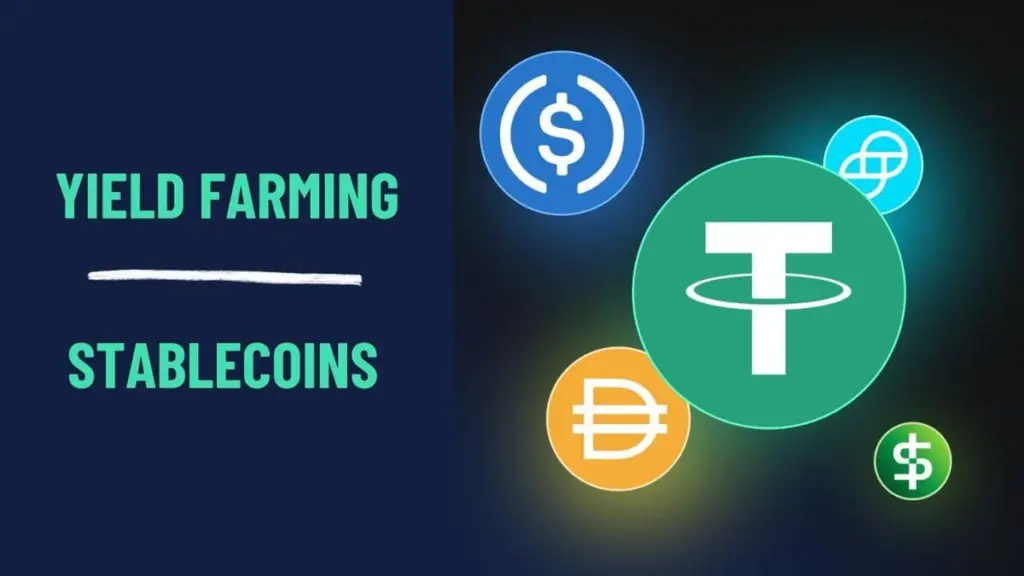
In 2025, stablecoin yield farming remains one of the safest entry points into DeFi, especially on regulated platforms such as Aave v4 and Compound III.
These protocols focus on well-known stablecoins like USDC, USDT, and DAI, which offer predictable returns while reducing exposure to market volatility.
Why It Works in 2025
Regulated DeFi and KYC-enabled platforms now reduce counterparty risk by enforcing compliance standards and performing third-party audits.
This added security attracts institutional liquidity, stabilizing yields and mitigating the systemic risks associated with undercollateralized lending.
Typical Yields
Stablecoin farming on these platforms generates 3-6% APYs in 2025, thanks to overcollateralized lending pools and real-time risk monitoring tools.
Users benefit from lower gas fees due to integrations into Layer 2 networks such as Arbitrum and Optimism, which boosts net returns even further.
Why It’s Low Risk
- Stablecoins such as USDC and DAI are completely backed and audited.
- Protocols enforce overcollateralization, which reduces default risk.
- Regulatory compliance ensures alignment with financial standards, which adds another layer of trust.
By focusing on stablecoin yield farming in 2025, investors can earn steady returns while avoiding the volatility of token pairs, making this a solid, low-risk DeFi strategy.
Strategy 2: Liquidity Provision in Blue Chip Pools
In 2025, liquidity provision (LP) in blue-chip pools has become a reliable, low-risk DeFi yield strategy.
By supplying assets to low-volatility trading pairs such as ETH/USDC or wBTC/ETH on platforms such as Uniswap v4 and Curve, investors can earn steady trading fees while reducing their exposure to price fluctuations.
Why Blue-Chip Pools?

Blue-chip assets such as ETH, USDC, and wBTC are highly liquid and have low volatility, making them ideal for low-risk LP strategies. These pools have consistent trading volumes, which leads to stable fee generation and lower slippage.
Impermanent Loss Protection
The introduction of concentrated liquidity in Uniswap v4 enables LPs to define tighter price ranges, significantly lowering impermanent loss risk. Curve, which is known for its stablecoin and pegged-asset pools, now offers enhanced impermanent loss protection for correlated assets.
Automation with LP Tools
Platforms like Arrakis Finance and Gamma Strategies automate liquidity rebalancing, fee compounding, and price range changes. These tools enable passive investors to maintain optimal positions without constant monitoring, making LPing more accessible and efficient.
Typical Returns in 2025
Blue-chip LP strategies yield 5-8% annual returns with the added stability of institutional-grade liquidity and protocol-level safeguards, making them ideal for investors seeking low-risk DeFi income without exposure to speculative tokens.
By combining concentrated liquidity features with automated LP management tools, blue-chip pools provide a secure and efficient way to earn yield in DeFi.
Liquidity provision in blue-chip pools such as ETH/USDC or wBTC/ETH on Uniswap v4 and Curve provides 5-8% annual yields while minimizing risk.
Concentrated liquidity reduces impermanent loss, while automated LP tools like Arrakis and Gamma make management easier. This makes it one of the low-risk DeFi yield strategies for steady, fee-based income in 2025.
Strategy 3: DeFi Yield Aggregators and Auto-Compounding Vaults
In 2025, DeFi yield aggregators such as Yearn v3, Beefy Finance, and Instadapp Lite have become essential for investors looking for optimized returns without constant manual management.
These platforms pool user funds, distribute them across top-performing protocols, and automatically compound rewards, increasing net yields while decreasing effort.
Benefits of Automation
Auto-Compounding Rewards: Reinvesting earnings automatically raises yields over time.
- Gas Optimization: Aggregators batch transactions, lowering fees on blockchains such as Ethereum and Layer 2 networks.
- Diversification: Funds are distributed across vetted DeFi yield strategies to balance risk and reward.
Risk Considerations
Aggregators simplify DeFi, but they rely heavily on smart contract audits and security layers. Platforms mitigate risks with multi-sig controls and insurance options, but due diligence is still required.
Typical Returns in 2025
Yield aggregator strategies typically generate 6-10% annual returns, making them ideal for passive investors who use automated yield farming tools in a maturing DeFi ecosystem.
DeFi yield aggregators in 2025 offer a simple path to consistent, low-maintenance crypto income by combining efficiency, diversification, and automation.
Strategy 4: Lending Against Blue Chip Collateral
In 2025, DeFi collateral lending is one of the most effective ways to earn passive income while maintaining exposure to core crypto assets.
Platforms such as MakerDAO Spark and Aave GHO lending enable users to borrow stablecoins against blue-chip collateral such as ETH or staked ETH (stETH).
How It Works
- Deposit Blue-Chip Assets: Supply ETH or stETH as collateral.
- Borrow Stablecoins: Receive DAI, USDC, or GHO at low interest rates.
- Earn Dual Yields: Continue earning staking rewards (e.g., through Lido or EigenLayer restaking protocols) while deploying borrowed stablecoins in low-risk yield strategies such as stablecoin farming.
Why It’s Effective in 2025
This safe borrowing in DeFi approach enables capital efficiency; your collateral works for you while you access liquid stablecoins to generate additional income.
Risks to Consider
- Liquidation Thresholds: Price drops in ETH or stETH can trigger liquidations if health factors fall below safe levels.
- Volatility Management: Using tools like DeFi Saver to automate loan health and adjust collateral in real time reduces risk.
Expected Returns
When combining staking yields (3-5%) with stablecoin farming (3-6%), DeFi collateral lending in 2025 can generate 8-12% annual returns with conservative leverage, making it ideal for risk-averse investors.
Strategy 5: Real-World Asset (RWA) Token Yields
In 2025, RWA DeFi yields are bridging traditional and decentralized finance, providing secure, institutional-grade returns through tokenized real-world assets. Platforms such as MakerDAO RWA vaults and Centrifuge now allow investors to earn yields on tokenized US Treasuries, corporate bonds, and other off-chain assets directly on DeFi rails.
Why RWA Tokenization Matters
- Stable Returns: RWAs generate 4–8% APYs, backed by legally recognized, off-chain collateral.
- Compliance-First Design: By aligning KYC and regulatory requirements, RWA protocols appeal to institutional and regulated investors while lowering counterparty risks.
- Diversification: Tokenized assets provide a hedge against crypto market volatility, anchoring DeFi portfolios with real-world cash flow.
Leading Platforms for 2025
- MakerDAO RWA Vaults: Provides exposure to U.S. Treasury bills and structured credit products.
- Centrifuge (Tinlake): Specializes in tokenizing assets such as invoices and real estate debt.
- Ondo Finance: focuses on tokenized short-term bonds and Treasury-backed stablecoins.
Why It’s Low Risk
With regulated custodians, on-chain transparency, and off-chain legal enforcement, RWA DeFi yields combine the trust of traditional finance with the efficiency of blockchain, making them an appealing option for risk-averse investors coming to DeFi.
Risk Management in Low-Risk DeFi
Even as the DeFi ecosystem matures in 2025, effective risk management remains critical for capital preservation and sustainable returns. While low-risk strategies are popular, investors must remain vigilant against smart contract exploits, platform insolvencies, and market volatility.
1. Protocol Audits and Security Layers
Choosing platforms with regular third-party audits from companies such as CertiK, Quantstamp, or Trail of Bits is critical. These audits reduce the likelihood of smart contract vulnerabilities and safeguard funds in low-risk DeFi yield strategies.
2. Insurance Protocols
Coverage platforms such as Nexus Mutual and Unslashed Finance offer DeFi-specific insurance for smart contract risks, exchange hacks, and stablecoin depegs. Insured DeFi yield strategies provide additional protection for cautious investors.
3. Diversified Yield Allocation
Allocating across multiple strategies (stablecoin farming, LPing, RWAs) reduces vulnerability to a single protocol failure. Diversification reduces systemic risk and stabilizes returns.
4. Real-Time Portfolio Tracking
Tools like DeBank, Zapper, and APY.Vision enables investors to track yields, health factors, and platform exposure. These dashboards enhance decision-making and prevent unnoticed risks in multi-protocol portfolios.
Why It Matters in 2025
As institutional adoption grows, DeFi risk management has become standard practice. Insurance-backed yields, audited protocols, and smart tracking tools now allow retail investors to approach DeFi using the same risk frameworks as professional funds.
Future Prospects: DeFi Yield in a Mature Market
In 2025, DeFi is transforming from a speculative frontier to a mature yield ecosystem with safer, more predictable returns.
As AI-powered yield bots, regulated platforms, and institutional liquidity reshape the market, investors looking for safe crypto income will increasingly expect sustainable yields.
AI-Powered Auto Strategies
The rise of agent-driven yield bots automates portfolio allocation, rebalancing, and real-time strategy switching. These AI-powered tools reduce human error while maximizing returns across protocols, making DeFi more accessible to passive investors.
Regulated DeFi and Institutional Liquidity
Regulated DeFi platforms with KYC/AML compliance, insured pools, and enterprise-grade audits are attracting traditional financial institutions. This influx of institutional liquidity stabilizes yields and reduces the volatility that was once synonymous with DeFi.
The “New Normal” of DeFi Yields
With risk profiles tightening, stable returns of 5-8% are emerging as the benchmark. These yields, backed by audited, compliant protocols and diversified strategies, offer a low-risk income alternative that competes with traditional fixed-income investments.
The Road Ahead
The future of DeFi yields lies in the combination of automation, compliance, and institutional-grade infrastructure.
As the number of AI agents and tokenized real-world assets grows, DeFi will resemble a cross between traditional finance and Web3 innovation, providing safe crypto income while remaining scalable and long-term sustainable.
Conclusion
The rise of AI-powered tools, increased regulatory clarity, and traditional finance participation are establishing new benchmarks for DeFi risk management and yield consistency.
As volatility declines and infrastructure improves, 5-8% annual returns are quickly becoming the standard for responsible DeFi investing.
The future of DeFi yields is about balancing safety, automation, and real-world integration, rather than chasing the highest APYs. The next wave of opportunity for both retail and institutional players is to develop long-term resilience strategies.