
The top multi-chain wallets for secure crypto storage in May 2025 are more than just convenience tools.
They are critical gateways for anyone hoping to thrive in today’s rapidly interconnected crypto ecosystem.
Here we’ll explore the best wallets available currently, the features that distinguish them, and how to choose the one that best suits your Web3 lifestyle.
What is a Multi-Chain Wallet?
A multi-chain wallet is a crypto wallet that allows users to store, manage, and transact digital assets on multiple blockchain networks using a single interface.
Unlike single-chain wallets, which are limited to a single blockchain, multi-chain wallets offer a unified platform for handling multiple assets, improving convenience and interoperability in the decentralized finance (DeFi) ecosystem.
Core Capabilities
- Send, Receive, and Store Assets Across Chains: Multi-chain wallets enable users to send, receive, and store cryptos from multiple blockchains, including Bitcoin, Ethereum, and the Binance Smart Chain, all within a single application.
- Integrated Swaps and Bridges: These wallets frequently include built-in decentralized exchanges (DEXs) and cross-chain bridges, allowing users to swap tokens and transfer assets between blockchains without leaving the wallet interface.
- Support for Decentralized Applications (dApps): Multi-chain wallets enable users to interact with dApps across multiple blockchain ecosystems, such as staking, lending, and trading, directly through the wallet.
Importance For Users
- Avoid Juggling Multiple Wallets: Because these wallets support multiple blockchains, users do not need to manage separate wallets for different cryptocurrencies, simplifying asset management.
- Lower Risk of Errors and Exploits: Consolidating assets into a single, secure wallet simplifies the management of multiple private keys and reduces the risk of errors or security breaches that come with managing multiple wallets.
- Improved User Experience for Web3 and DeFi: Multi-chain wallets provide a more consistent and user-friendly experience when navigating the decentralized web, allowing users to participate in various DeFi platforms and services across multiple blockchains.
Multi-chain wallets are critical tools for users who want to efficiently and securely manage a diverse portfolio of cryptocurrencies across multiple blockchain networks, with integrated features that improve the overall user experience in the evolving Web3 landscape.
Key Features Multi-Chain Wallet Users Should Expect in 2025
As crypto adoption grows, the role of wallets has transitioned beyond simple storage. In 2025, multi-chain wallets will serve as secure, intelligent command centers for interacting with DeFi, NFTs, DAOs, and other blockchain technologies across multiple networks.
To stay ahead, users should prioritize wallets with the following advanced features:
1. Security Standards Built for a Post-Phishing Era
Multi-Factor Authentication (MFA)
To reduce unauthorized access, modern wallets are embracing multi-factor authentication. MFA fortifies login processes by combining traditional passwords with dynamic layers such as authenticator apps, SMS codes, or biometric data.
Biometric Support and Hardware Integration
D’Cent and Ledger-backed mobile apps now support biometrics (fingerprint, facial recognition), in addition to hardware wallet compatibility. These prevent common exploit techniques such as SIM swapping or clipboard hijacking.
MPC and Account Abstraction Wallets
Because of the increased adoption of multi-party computation (MPC), no single device now holds the entire private key, increasing security against hacks.
Meanwhile, Account Abstraction (AA) makes wallets programmable and self-recoverable, blurring the difference between smart contracts and user accounts.
2. Cross-Chain Interoperability: A Must-Have, Not a Luxury
Native Multi-Chain Support
Top-tier wallets now support dozens of Layer 1 and Layer 2 chains natively. Ethereum, Solana, Bitcoin, Avalanche, Arbitrum, zkSync, Base, Cosmos, Sui, and Aptos are only the start. Seamless switching between chains is essential for users active in DeFi or NFTs.
Built-in Bridging and Token Unification
Wallets such as OKX Wallet and XDEFI include built-in bridges that enable secure cross-chain transfers without the need for external platforms. Token unification simplifies holdings by combining the same asset from multiple chains under a single symbol, improving clarity and UX.
3. dApp and NFT Compatibility Across Ecosystems
WalletConnect v2.0 Integration
The updated WalletConnect protocol supports simultaneous multi-chain sessions and improves security. It is critical for users who interact with dApps across multiple blockchains simultaneously.
Solana dApp Browser and Cosmos
Wallets optimized for Solana (like Phantom) or Cosmos (like Leap Wallet) now include dedicated dApp browsers and support IBC for instant interchain transactions, which is crucial for ecosystems with siloed infrastructure.
Unified NFT Support
Whether you’re storing ERC-721s from Ethereum or compressed NFTs on Solana, 2025 wallets include integrated galleries, metadata views, and listing tools right in the interface.
4. AI and Automation for a Smarter Wallet Experience
Smart Transaction Routing
Advanced wallets use AI to route transactions through the most gas-efficient and secure paths. This feature ensures that users receive optimal swap prices and faster confirmation times.
Fraud Detection and Risk Alerts
AI-powered monitoring systems now actively scan for phishing links, rug-pull contracts, and unusual transaction patterns. Some wallets notify users in real time before they sign potentially malicious approvals.
In 2025, multi-chain wallets should prioritize security, network agility, dApp interoperability, and intelligent automation. The best wallets are proactive, not reactive, and enable users to thrive securely in the ever-growing Web3 universe.
Top Multi-Chain Wallets for Secure Crypto Storage in May 2025
In May 2025, the landscape of multi-chain wallets had transformed to meet the growing demands of crypto users looking for secure and versatile solutions.
The following is an overview of the top multi-chain wallets, emphasizing their security features, supported chains, user experience, and unique selling points.
1. Rabby Wallet (by DeBank)
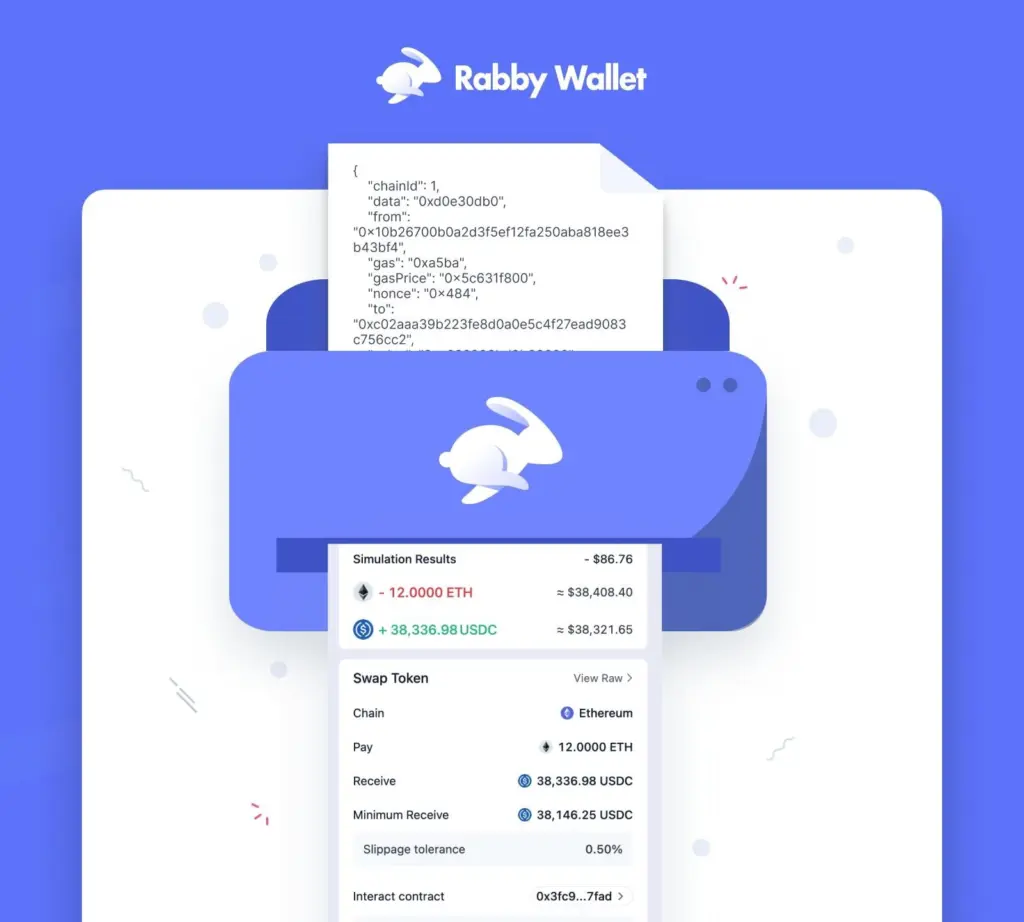
- Strength: Automatic network switching with a user-friendly interface designed specifically for DeFi enthusiasts.
- Supported Chains: Over 100 EVM-compatible chains are supported, including Ethereum, Arbitrum, zkSync, and Base.
- Security: Open-source and audited, with transaction previews, risk scanning, and security alerts to ensure user safety.
- Standout: Offers a seamless experience across EVM networks by automatically selecting the appropriate chain for dApps, eliminating the need for manual switching.
2. Trust Wallet
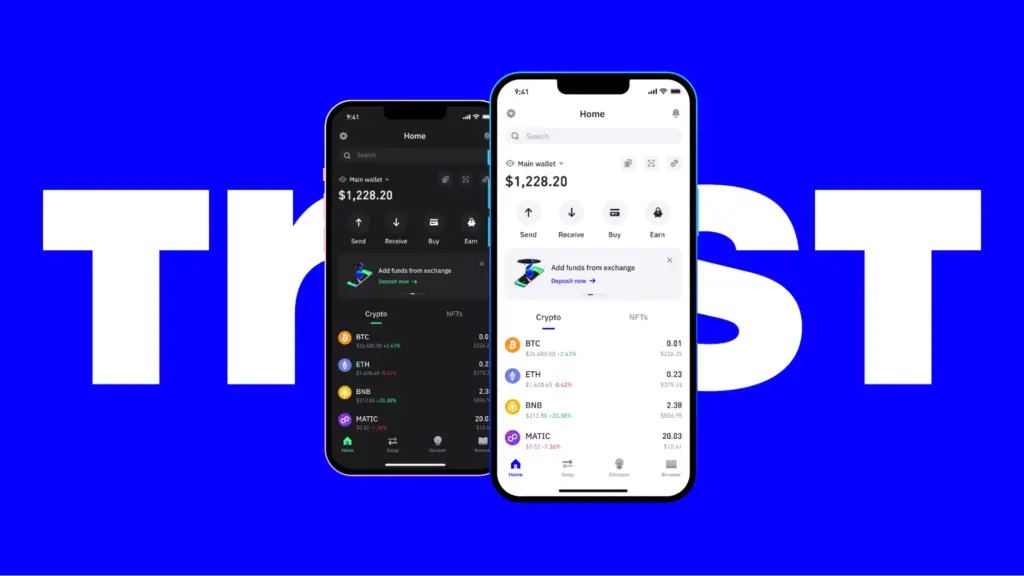
- Strength: Established leader with multi-chain support and a mobile-first approach.
- Supported Chains: Supports more than 100 blockchains, including BNB Chain, Ethereum, Bitcoin, Solana, and Sui.
- Security: Provides biometric authentication and encrypted local storage; however, it does not support two-factor authentication.
- Standout: Known for a user-friendly mobile interface and an integrated Web3 browser, which allows for easy access to dApps and staking features.
3. Safe (previously Gnosis Safe)
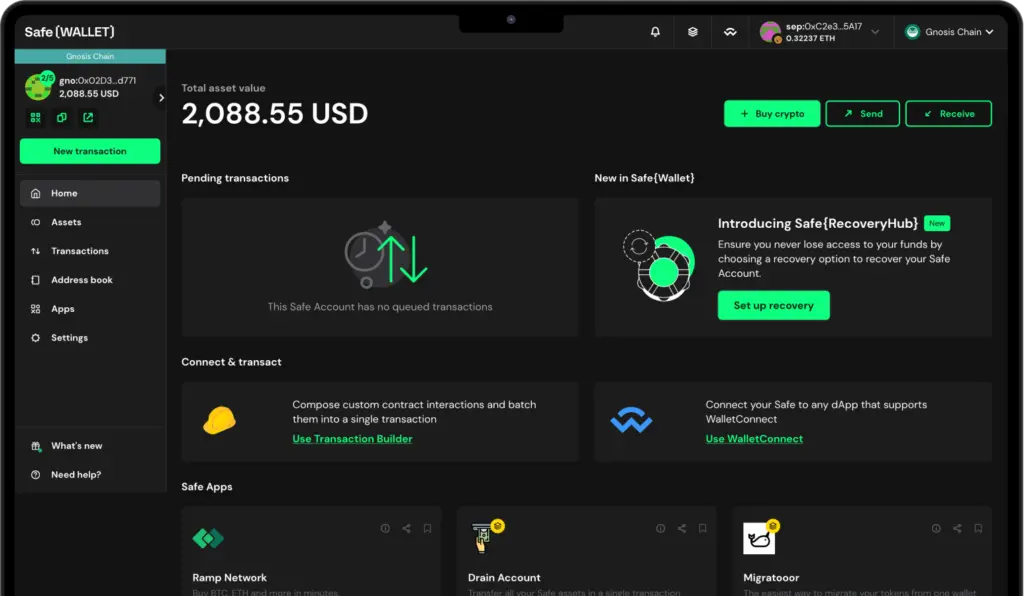
- Strength: Institutional-grade multi-signature wallet for secure asset management.
- Supported Chains: Multiple EVM-compatible chains are supported, including Ethereum, Gnosis, Avalanche, and a variety of Layer-2 networks.
- Security: Include multi-signature and MPC integration, as well as smart contracts that have undergone extensive auditing and formal verification.
- Standout: Popular among DAOs and professional traders due to its strong security and collective asset management capabilities.
4. OKX Wallet
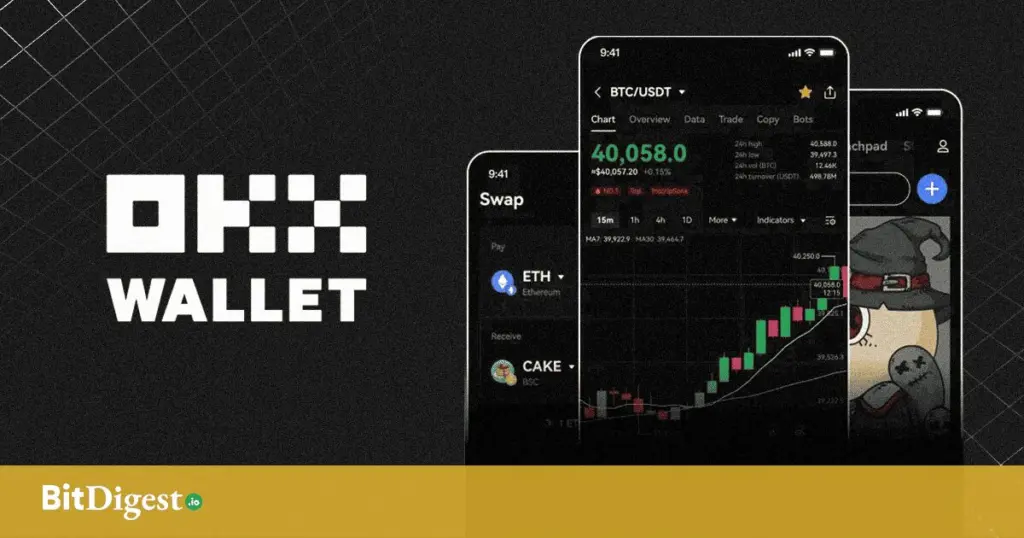
- Strength: Comprehensive Web3 platform with inbuilt DEX, bridge, and NFT marketplace features.
- Support Chains: Supports over 130 blockchains, including Ethereum, Polygon, Avalanche, Aptos, and others.
- Security: Uses advanced self-custody technology, including seed phrase protection, biometric authentication, and regular security audits.
- Standout: Provides a one-stop solution for Web3 interactions, allowing users to manage assets, trade, and explore dApps all from a single interface.
5. XDEFI Wallet
- Strength: Designed for DeFi power users, offering multi-chain support and in-browser functionalities.
- Supported Chains: Supports over 200 blockchains, including EVM networks, Bitcoin, Cosmos, Terra, and Solana.
- Security: Non-custodial wallet with Ledger and Trezor hardware wallet integrations, allowing for secure storage and transaction approvals.
- Standout: Enables multi-chain swaps and NFT management directly within the browser extension, streamlining the DeFi experience.
6. Zerion Wallet
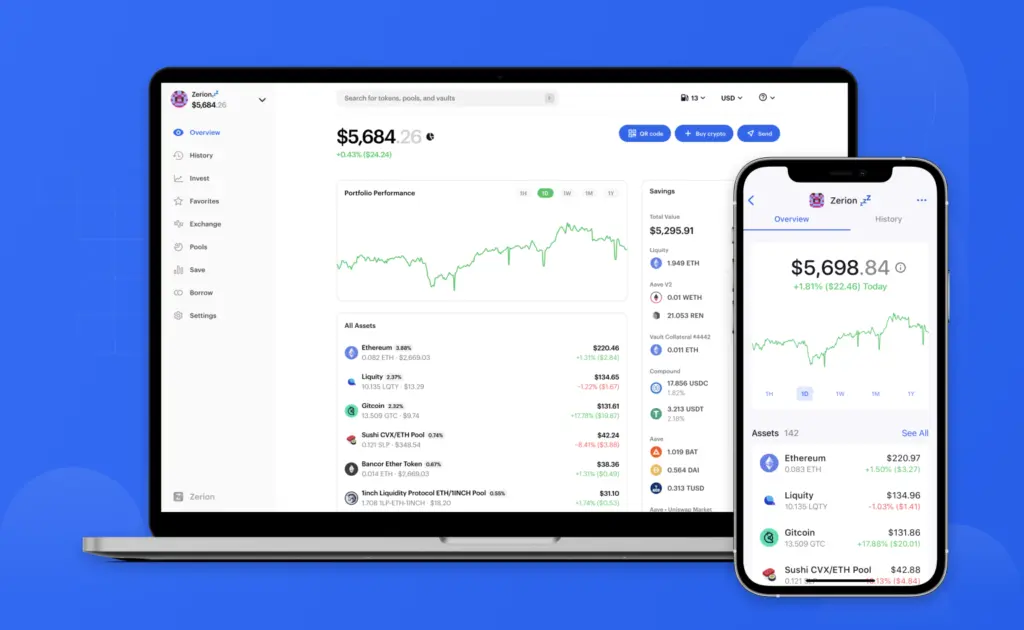
- Strength: Integrates DeFi dashboard and wallet features for comprehensive asset management.
- Supported Chains: Binance.com supports over 10 major blockchains, including Ethereum, Polygon, and Binance Smart Chain.
- Security: Open-source and audited by reputable security firms, with local key storage and a bug bounty program to improve security.
- Standout: Features include real-time portfolio tracking, access to DeFi protocols, and NFT management from a single platform.
These multi-chain wallets highlight advancements in secure crypto storage and user experience as of May 2025.
When choosing the best wallet for them, users should take into account their specific requirements, such as supported blockchains, security features, and interface preferences.
Comparing the Best Multi-Chain Wallets: Feature Matrix
Below is a feature matrix comparing the top multi-chain wallets for Secure crypto storage in May 2025, based on critical decision-making features like blockchain support, security architecture, NFT compatibility, and Web3 usability.
| Wallet | Supported Chains | MPC/Multisig | NFT Support | Hardware Compatible | dApp Browser |
| Rabby | EVM Only (80+ chains) | No | Yes | Yes | Yes |
| Trust Wallet | 100+ (BNB, ETH, BTC, SOL, Sui) | No | Yes | Yes | Yes |
| Safe | EVM Only | Multisig | Partial | Yes | No |
| OKX Wallet | 130+ (ETH, AVAX, Aptos) | MPC | Yes | Yes | Yes |
| XDEFI | 200+ (BTC, SOL, Cosmos) | No | Yes | Yes | Yes |
| Zerion | 10+ (ETH, BSC, Polygon) | No | Yes | Yes | Yes |
When choosing among the top multi-chain wallets for secure crypto storage in May 2025, this feature matrix allows users to quickly evaluate compatibility, advanced security options like MPC or multisig, NFT readiness, and Web3 dApp accessibility key criteria for crypto users managing assets across ecosystems.
Security Tips for Using Multi-Chain Wallets
As the number of supported blockchains increases, multi-chain wallets in 2025 will be powerful tools but also potential attack vectors if not used responsibly.
To ensure secure crypto storage, users must practice disciplined wallet hygiene, particularly when dealing with cross-chain interactions, DeFi, and NFTs.
Do’s: Protect your wallet and Funds
1. Always Verify URLs When Interacting with dapps
Phishing remains a major threat in Web 3. Always double-check URLs, particularly for decentralized applications (dApps), and only connect your wallet to reputable sources. Use WalletConnect whenever possible to avoid direct browser-based injections.
2. Enable Biometrics and Multi-Factor Authentication (MFA)
To prevent unauthorized access, enable biometric authentication (face/fingerprint ID) and multi-factor authentication (MFA).
While most mobile wallets support biometrics, browser extensions frequently require additional plugins or hardware pairing for multi-factor authentication (MFA).
3. Use Hardware Wallets for Large Balances
Cold storage remains the gold standard in asset security. Pairing your multi-chain wallet with a hardware device such as Ledger or Trezor provides an extra layer of security, particularly for long-term holdings or DAO treasuries.
Don’ts: Common Mistakes That Lead to Breaches
1. Do Not Store Seed Phrases in Cloud Storage
Never save your recovery phrase to Google Drive, iCloud, or email. These services are vulnerable to compromise. To ensure long-term safety, use offline backups or metal storage.
2. Don’ts: Common Mistakes That Lead to Breaches
Blindly approving smart contracts, especially on newer chains, can leave you vulnerable to infinite spend exploits. Always review transaction data. Use wallets like Rabby or XDEFI, which offer transaction previews and risk alerts.
3. Don’t Use the Same Wallet on Unknown Chains
Each chain may create new vulnerabilities. If you frequently use experimental dApps or Layer 1 testnets, you should consider creating dedicated burner wallets for high-risk activities to protect your primary assets.
Practicing proper security best practices for using multi-chain wallets is critical in 2025’s interconnected crypto world. With phishing, smart contract exploits, and key leaks still prevalent, proactive protection is no longer an option; it’s imperative.
Trends to Watch Out for in Wallet Technology
Significant technological advancements aimed at improving user experience, security, and interoperability will characterize multi-chain wallet evolution in 2025. The following are key trends influencing the future of crypto wallets:
1. Account Abstraction and Smart Contract Wallets
Account Abstraction (AA), particularly via Ethereum’s ERC-4337, is transforming wallet functionality. By enabling smart contract wallets, users gain access to features such as social recovery, gasless transactions, and programmable spending limits, making wallets accessible and secure.
2. Increase in Intent-Based Transactions and AI Agents
The integration of AI agents into crypto wallets is revolutionizing transaction processing. These agents can manage tasks like trading, portfolio rebalancing, and risk assessment on their own, making financial operations more efficient and smart.
3. Rise of Social Recovery and Password-Based Login
To improve security and user accessibility, wallets are incorporating social recovery mechanisms and passkey-based logins. These features enable users to regain access via trusted contacts or biometric authentication, reducing the reliance on traditional seed phrases.
4. Wallets Integrating MEV Protection and Transaction Bundling
To combat Maximal Extractable Value (MEV) exploits, wallets are implementing MEV protection strategies and transaction bundling. These measures protect users from front-running and sandwich attacks, resulting in fairer and more secure transaction processing.
These trends highlight the ongoing commitment to improving the functionality, security, and user experience of multi-chain wallets in the rapidly evolving crypto landscape.
Conclusion
In 2025, multi-chain wallets are not just digital vaults; they are the hub for how users interact with decentralized finance, NFTs, cross-chain bridges, and Web3 identity. Choosing the right wallet requires balancing three important factors: flexibility, security, and user experience.
Finally, the best multi-chain wallets for secure crypto storage in May 2025 are more than just tools; they’re your gateway to Web3 security and freedom.
Whether you’re swapping tokens, staking assets, or managing DAO treasuries, the right wallet supports your goals, safeguards your assets, and evolves alongside the crypto ecosystem.