
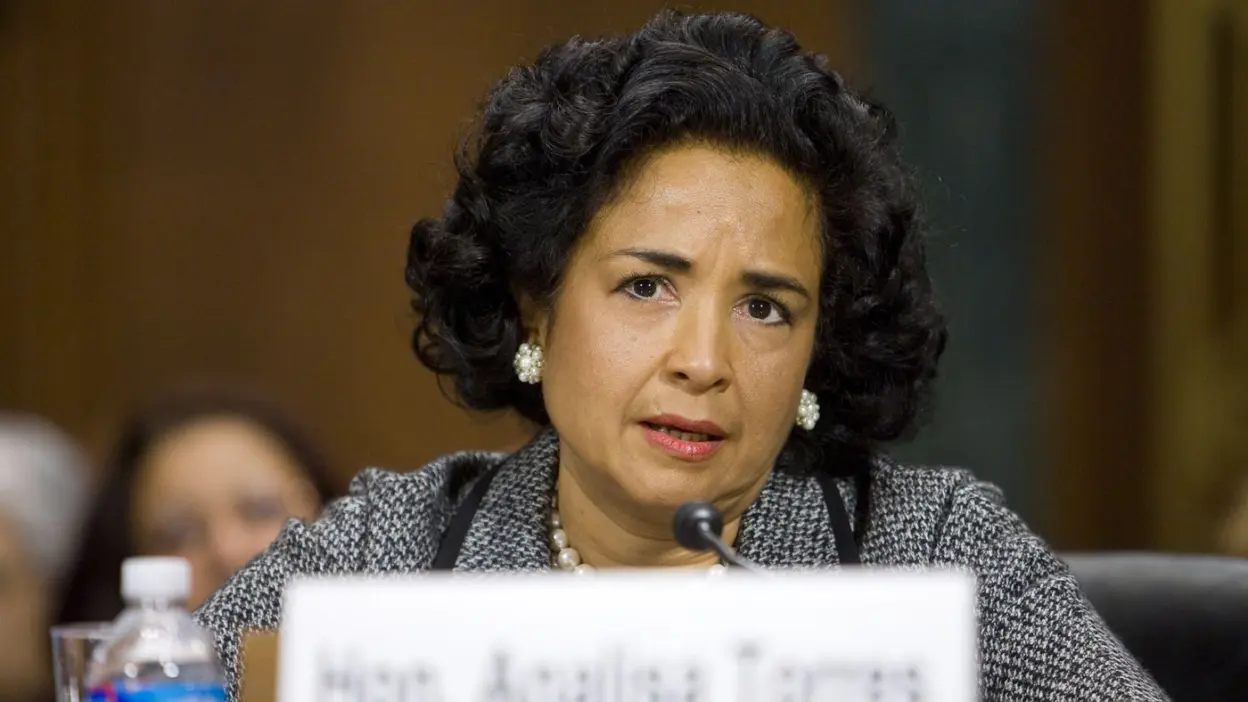
Ex-SEC lawyer Marc Fagel says Judge Torres kept the XRP lawsuit active due to Ripple’s $728M in unregistered securities sales to institutional investors.
The protracted XRP lawsuit has taken a significant turn, with many pondering why Judge Analisa Torres didn’t drop the case. Amid multiple perceptions, ex-SEC counsel Marc Fagel weighed in, offering insights into the judge’s decision-making process.
Why Judge Torres Denied XRP Lawsuit Motion
In an X post, former SEC counsel Marc Fagel explains why Judge Torres did not dismiss the Ripple lawsuit as the XRP community grapples with the recent decision.
Fagel suggested that the judge probably didn’t drop the case because she discovered that Ripple had raised hundreds of millions from unregistered securities sales. According to Fagel, Ripple’s alleged unlawful fundraising through unregistered securities sales warranted action. His statement read,
Probably because she found that Ripple illegally raised hundreds of millions of dollars from unregistered securities sales. So why would she “drop” it (whatever that means)?
Recently, Judge Torres rejected the joint petition Ripple and the SEC filed in the XRP lawsuit. Subsequently, Ripple withdrew its appeal, agreeing to pay a $50 million penalty.
Another pertinent concern that spurred discussion on the X platform was the case’s potential implications. An X user expressed apprehension regarding the effectiveness of the litigation and the significant resources allocated to it in achieving the SEC’s primary objectives of safeguarding investors, ensuring fair and efficient markets, and promoting capital formation. Fagel observed in a distinct response,
If the company didn’t want to comply with federal law, they should try to change it. They don’t get to decide for themselves which laws matter.
Additionally, he observed that the judge’s silence on Ethereum indicated that Ethereum was not included in the Ripple litigation, as she was limited in deciding on the case at hand. Fagel also stated that Judge Torres has no further involvement in the Ripple lawsuit, saying,
Judge Torres has no further role in this. Her judgment will become final once the SEC votes to approve dismissing its appeal and files with the court of appeals (which has not yet happened).
What is the potential impact of Judge Torres’ injunction on XRP sales?
It is noteworthy that Judge Torres has classified the institutional sales of XRP as a securities offering. Ripple must either cease the institutional sales or comply with the securities laws because this ruling remains unaltered.
Bill Morgan, an attorney for XRP, stated that Ripple was already preparing for a permanent injunction on the “historical institutional sales.”
Morgan recently clarified the potential impact of the Ripple lawsuit judgment on XRP sales in a tweet. Morgan asserted that the case would not impact XRP’s future sales but rather its past offerings, despite the argument of a community member.
You do realise that a prohibitive injunction like the one made against Ripple is meant to restrain current or future conduct. How would it apply to restrain past conduct that already happened.