
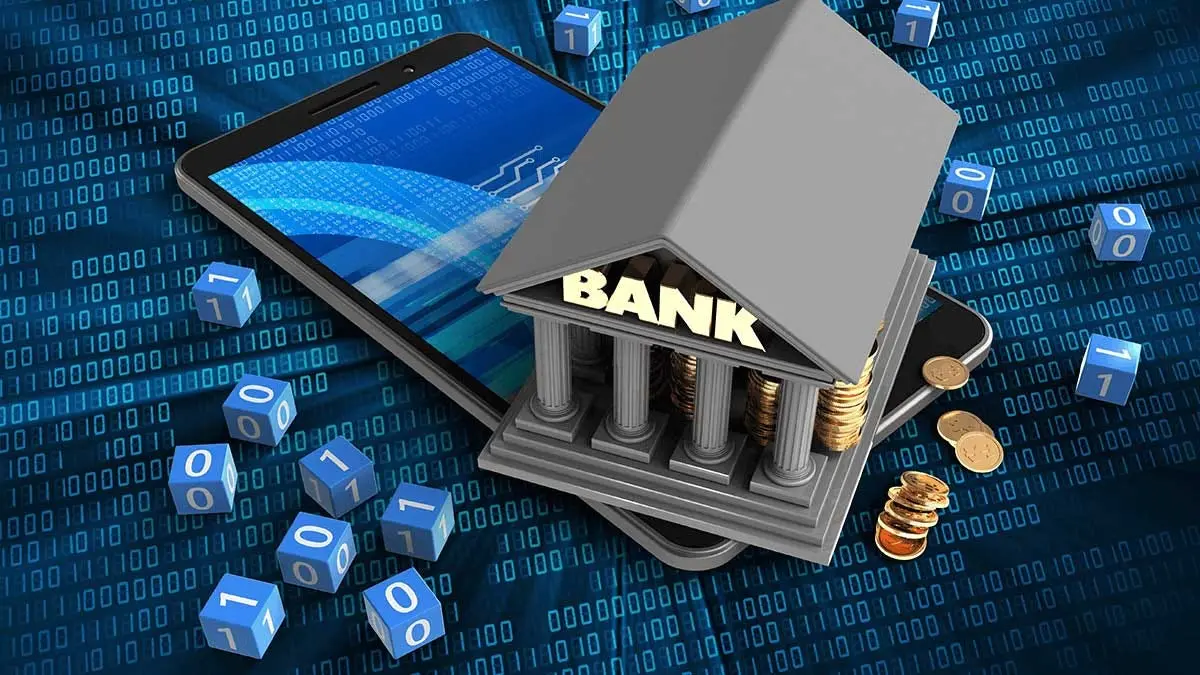
Governments and banks are using blockchain tokenization to modernize finance and make things more transparent. This technology is changing markets and the way people own real-world assets.
In the past few years, blockchain technology has grown into much more than just coins. Asset tokenization is one of the most revolutionary uses of blockchain.
This is the process of turning real-world assets like stocks, commodities, or real estate into digital coins that can be used on a blockchain. Startups and tech-savvy investors aren’t the only ones looking into this new idea; some of the most powerful organizations in the world are too.
Blockchain is being embraced by governments and big banks around the world as a way to update financial systems, make them more open, and bring liquidity to places that haven’t had it before.
These organizations are paving the way for a better, safer, and easier-to-reach financial future by using asset tokenization.
The use of blockchain to tokenize assets is no longer an idea for the future; it’s already happening, with central banks launching digital currencies and commercial banks issuing tokenized bonds and securities.
That’s why and how these big players are getting into the space, along with the benefits they want and the problems they will have to deal with.
- 1 How Blockchain Technology Works for Tokenization
-
2
Why Governments Are Interested in Blockchain for Tokenization
- 2.1 Better accountability and openness
- 2.2 Financial Inclusion and Access to Assets
- 2.3 Streamlined the management of assets and public services
- 2.4 As a Base, Central Bank Digital Currencies (CBDCs)
- 2.5 Better tax collection and fighting money laundering
- 2.6 Examples of Tokenization Efforts Led by the Government in the Real World
- 3 How Banks Are Using Blockchain to Tokenize Assets
- 4 The Future of Tokenization in the Public and Banking Sectors
- 5 Conclusion
How Blockchain Technology Works for Tokenization
At its core, tokenization is the process of turning the rights to a digital or physical object into a token that runs on the blockchain. Then, these tokens are safely saved, sent, bought, and sold on a blockchain network. This makes ownership clearer, more divisible, and easier to get.
Step by step, this is how it works:
Finding assets and figuring out their values
To begin, a real-world object is chosen to be tokenized. This could be a house, a gold bar, or a company share. How many tokens will be needed to fully own something determines its market value.
Making Tokens (Minting)
After the product is evaluated, digital tokens are made and stored on a blockchain. These tokens are given out through smart contracts, which are deals that run themselves and set the rules for the token, like who owns it, how it can be transferred, and how much it pays out in dividends.
One example is that if a $1 million property is broken up into 1,000 tokens, each token could be worth 0.1% of the property.
Support from the law and government
Legal proof must be attached to the token to show that the people who own it actually own or have rights to the underlying object. This is a very important step in asset-backed tokenization, and it’s usually done by working with officials to make sure everything is legal.
Trading and giving out tokens
These tokens can be given to investors through token sales, exchanges, or private placements once they are released. Tokens can be traded around the world in real-time because they live on a blockchain. All activities are recorded clearly and permanently on the ledger.
Management of assets and automation
Tokenized assets are controlled by smart contracts, which can automatically move ownership, pay dividends, or exercise voting rights, so there is no need for middlemen like brokers or custodians.
To put it simply, blockchain makes it possible to digitize, split, and share assets that were only available to big businesses or wealthy people before. This ease of use and openness is what is pushing governments and banks to join the tokenization trend.
Why Governments Are Interested in Blockchain for Tokenization
More and more, governments around the world are realizing that blockchain-based asset tokenization has the ability to change everything.
Putting aside the buzzwords, this technology really does solve problems that have been around for a long time in the public sector, such as inefficiency, cheating, and a lack of access to money.
Tokenization on blockchain is being used by states for the following main reasons:
Better accountability and openness
One of the best things about blockchain is that its record can’t be changed and is open to everyone. On the blockchain, every activity can be tracked, checked, and audited at any time. For governments, this helps:
- Better keep track of how much the government spends
- Property and asset records should have less fraud.
- Transparently sharing data can help build trust with the people.
As an example, Georgia and Sweden have already tried out blockchain for land registration systems to cut down on paperwork and fight corruption.
Financial Inclusion and Access to Assets
Tokenization makes it easier for people to get ownership chances, especially in areas that aren’t well served. By breaking up big assets into small digital tokens, states can:
People with smaller incomes should be able to buy real estate or government bonds.
- Allow people to take part in national building projects by using tokenized public assets
- Come up with new ways to pay for public-private partnerships.
Streamlined the management of assets and public services
The way governments handle and keep track of state-owned assets can be brought up to date by tokenization. As an example:
Buildings or assets owned by the government can be tokenized to make auditing easier.
- Smart contracts can be used to handle public services like registering cars or getting IDs.
- Tokenized ID or voting methods could make the government work more efficiently and safely.
As a Base, Central Bank Digital Currencies (CBDCs)
CBDCs are being looked into by many countries as a way to get more people to use blockchain. Digital currencies are already being tested or fully launched by central banks in places like China (Digital Yuan), Nigeria (eNaira), and the EU (Digital Euro project).
CBDCs not only turn national currencies into digital ones, but they also make it possible for safe and controlled tokenized financial environments where private and public assets can be traded without any problems.
Better tax collection and fighting money laundering
Blockchain makes data more open, which makes it easier for tax authorities to keep track of who owns assets and where they go. When things are tokenized, they can:
- Cut down on tax cheating
- Make enforcement systems stronger.
- Use smart contracts to automate tax payments
Examples of Tokenization Efforts Led by the Government in the Real World
- Singapore: The Monetary Authority of Singapore is working with banks on Project Guardian to look into tokenized bonds and funds.
- United Arab Emirates (UAE): The Dubai Land Department has started using blockchain to issue digital titles and turn land into tokens.
- Brazil’s government is aiming to use blockchain to keep track of its treasury bonds and keep track of public spending.
To sum up, tokenization based on blockchain helps states save money, build trust with the public, and encourage new financial ideas. More public institutions are likely to add blockchain to their systems as global rules continue to get better. This will start a new era of managing digital assets.
How Banks Are Using Blockchain to Tokenize Assets
It’s no longer just a hobby for global banks to watch blockchain grow. An increasing number of businesses are now testing and using asset tokenization as part of their plans to become more digital. Banks are changing traditional banking (TradFi) to make it faster, safer, and more open to everyone by using blockchain technology.
Big banks are tokenizing assets with blockchain in the following ways:
Putting traditional assets like bonds, stocks, and real estate on a blockchain
Traditional financial goods, like corporate bonds, mutual funds, and even real estate, are being turned into tokenized versions by banks. These digital tools give you:
- Unlike the usual T+2 or T+3 settlement rounds, this one has an instant settlement.
- More cash flow thanks to split ownership
- Enhanced access for small and large businesses around the world
Example:
UBS sold a $370 million tokenized bond on the SIX Digital Exchange in 2022. The deal settled in minutes instead of days. This showed how blockchain can make complicated financial deals easier.
Building up private blockchain platforms
Big banks are making blockchain networks that are secret or only accessible to certain institutions. These systems let banks control who can access their data while taking advantage of how efficient blockchain is.
- JPMorgan’s Onyx platform lets payments and asset exchanges happen on the blockchain. Its JPM Coin is already used to settle transactions between banks.
- To buy and sell tokenized bonds, Goldman Sachs set up a digital asset market.
- Both BNP Paribas and HSBC are testing systems for trade finance and the distribution of tokenized funds.
Digital custody and tokenized management of assets
As more banks use tokenization, they are also providing digital security services to keep and protect their clients’ tokenized assets.
- Citi, BNY Mellon, and Standard Chartered have all started or stated that they will start holding digital assets.
- These platforms make sure that regulations are followed, that data is kept safe, and that they work well with current financial infrastructure.
Adding support for digital currencies issued by central banks
Banks are also looking into how tokenized assets can work with CBDCs, especially for gross settlement systems that work in real-time and payments that go across borders.
- Deutsche Bank is looking into how to use wholesale CBDCs for tokenized payments.
- Banks are testing programmable money and asset exchanges in the real world with the help of trials they do with central banks.
While adoption is growing, banks must tackle challenges like:
- Navigating unclear or evolving regulatory frameworks
- Ensuring blockchain interoperability with legacy systems
- Managing cybersecurity risks and digital identity verification
- Educating stakeholders and clients about tokenized products
In short, banks are moving from pilot projects to live blockchain deployments that tokenize real-world assets bringing traditional finance into the digital age.
As more institutions follow suit, the line between TradFi and decentralized finance (DeFi) will continue to blur, signaling a profound shift in how financial markets operate.
The Future of Tokenization in the Public and Banking Sectors
As adoption accelerates, asset tokenization is poised to become one of the most transformative forces in both the public and private financial sectors.
Governments and banks are no longer just testing blockchain they’re actively integrating it into their infrastructures, creating the foundations for a more open, efficient, and inclusive global financial system.
Here’s what the future may hold:
Mass Adoption of Tokenized Assets
Over the next 5 to 10 years, tokenized assets are expected to become mainstream financial instruments. From real estate and corporate bonds to government treasuries and carbon credits, more assets will exist in blockchain-based formats.
- Retail investors will gain access to previously illiquid or high-barrier markets.
- Institutional investors will benefit from greater liquidity, faster settlement, and automated compliance via smart contracts.
Increased Interoperability Between Public and Private Blockchains
Currently, banks and governments are building on a mix of public, private, and hybrid blockchains. In the near future, we’ll see:
- Development of interoperability frameworks allowing seamless asset transfers between blockchains.
- Adoption of cross-chain standards, enabling greater cooperation between central banks, commercial banks, and DeFi platforms.
- Integration of tokenized assets into existing financial systems and core banking infrastructure.
A New Role for Central Banks and Digital Currencies
Central Bank Digital Currencies (CBDCs) will play a vital role in supporting tokenized economies by acting as regulated, programmable, and blockchain-native currencies for settling tokenized transactions.
- Tokenized public assets could be purchased directly using CBDCs.
- Programmable CBDCs could automate tax collection, dividend payments, and government disbursements.
Rise of Tokenization-as-a-Service (TaaS)
Banks and fintech providers are expected to offer “tokenization-as-a-service” platforms for corporations and government agencies to tokenize their assets easily and securely.
This will:
- Lower the entry barrier for asset owners.
- Expand tokenization beyond elite institutions to local governments, SMEs, and startups.
- Create new revenue models for banks beyond traditional lending and custodial services.
Evolution of Global Regulation
With more jurisdictions embracing blockchain, we can anticipate:
- Clear regulatory frameworks tailored to tokenized securities and digital assets.
- Greater collaboration between regulatory bodies across borders.
- Licensing and compliance structures that balance innovation with investor protection.
As legal certainty grows, confidence among traditional institutions will soar—accelerating global tokenization.
Integration of AI and Tokenization
Artificial Intelligence will likely play a supporting role in the tokenized economy by:
Automating asset valuation and smart contract execution
- Enhancing fraud detection and regulatory compliance
- Powering AI-driven investment strategies for tokenized portfolios
The future of asset tokenization isn’t a question of “if”—it’s a question of when and how far it will go. Governments will use it to enhance transparency and citizen engagement. Banks will rely on it to modernize outdated infrastructure and remain competitive in a rapidly digitizing world.
Ultimately, tokenization could redefine how we issue, trade, and own assets—unlocking trillions in value, bridging financial gaps, and ushering in a new era of borderless, real-time finance.
Conclusion
The adoption of blockchain for asset tokenization by both governments and banks marks a revolutionary step toward a more transparent, efficient, and inclusive global financial system.
What once seemed like a fringe innovation has rapidly evolved into a foundational tool for modernizing how we manage, trade, and govern assets—both public and private.
Governments are leveraging tokenization to boost transparency, fight fraud, and empower citizens through fractional asset ownership.
Meanwhile, banks are embracing the technology to digitize traditional financial products, reduce operational costs, and unlock new liquidity channels.
As regulatory frameworks become clearer and digital infrastructure matures, tokenization will likely become standard practice across multiple industries—from real estate and finance to art and intellectual property.
This is not just about innovation; it’s about reshaping economies to be more inclusive, responsive, and future-ready.
In the years to come, those who understand and adopt blockchain-based tokenization early will have a significant edge—whether they’re governments improving public trust or financial institutions driving the next wave of investment innovation.